






Understanding the Energy Drain
Fatigue on a vegetarian diet often stems from a shortfall of specific nutrients that are more readily available in animal products. The primary culprits are usually iron and vitamin B12, both of which are crucial for energy production and healthy blood
cells. Deficiencies can develop slowly, leading to what feels like a 'silent' fatigue that worsens over time. Other nutrients like protein, zinc, and vitamin D also play a role in maintaining your energy levels. The key isn't to abandon the diet, but to plan it more mindfully to ensure you're covering all your nutritional bases.
The Iron Imperative
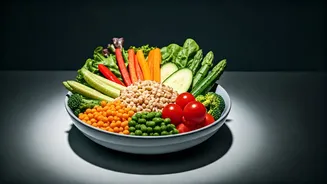
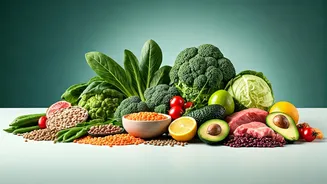
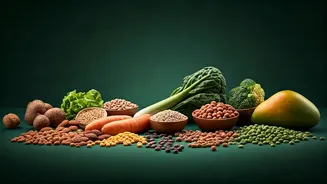
Iron deficiency is a common cause of fatigue. Plant-based foods contain a type of iron called non-heme iron, which the body doesn't absorb as easily as the heme iron found in meat. To combat this, vegetarians need to be diligent about including iron-rich foods in their diet. Excellent sources include lentils, chickpeas, beans, tofu, cashews, kale, and fortified cereals. For instance, a cup of cooked lentils provides a significant portion of your daily iron needs. Including a variety of these foods daily is crucial for maintaining your iron stores and keeping fatigue at bay.
Boost Absorption with Vitamin C
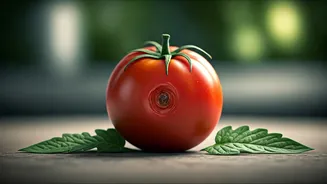
One of the most effective strategies for improving iron uptake is to pair iron-rich plant foods with sources of vitamin C. Vitamin C dramatically increases the absorption of non-heme iron. This can be as simple as squeezing lemon juice over a spinach and lentil curry, adding bell peppers to a tofu stir-fry, or having a glass of orange juice with your fortified breakfast cereal. Other great vitamin C sources include strawberries, broccoli, and tomatoes. Conversely, it's wise to avoid drinking tea or coffee with your meals, as compounds called tannins can hinder iron absorption.
The Critical Role of Vitamin B12
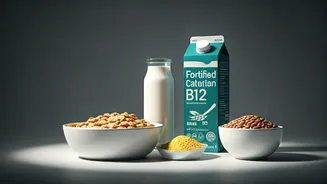
Vitamin B12 is essential for producing red blood cells and converting food into energy. A deficiency can lead to a type of anemia that causes significant fatigue and even neurological issues. Since vitamin B12 is found almost exclusively in animal products, this is a non-negotiable nutrient for vegetarians to track. For lacto-ovo vegetarians, dairy products and eggs are reliable sources. For those on a stricter plant-based diet, fortified foods are key. Look for fortified nutritional yeast, plant-based milks (like soy or almond), and breakfast cereals. Many experts recommend that all vegetarians consider a B12 supplement to ensure they're getting enough.
Don't Overlook Protein and Whole Grains
While iron and B12 are major players, overall dietary patterns matter. Ensure every meal contains a good source of protein, such as beans, lentils, tofu, tempeh, nuts, or seeds. Protein helps stabilize blood sugar and promotes satiety, preventing energy slumps. Similarly, opting for complex carbohydrates from whole grains like oats, brown rice, and quinoa provides a slow, steady release of energy, unlike the quick spikes and crashes from refined sugars and white flour. Eating regular, balanced meals throughout the day is a simple yet powerful way to keep your energy levels consistent.