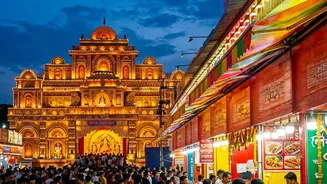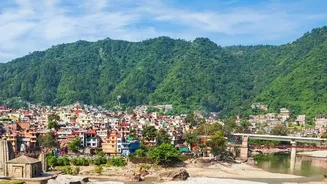





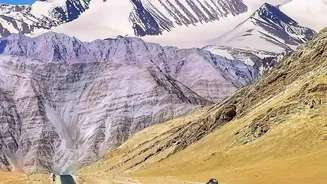

The Problem of 'Too Much Love'
Popular destinations like Shimla, Nainital, Goa, and Jaipur are victims of their own success. The phenomenon known as 'overtourism' occurs when a place receives more visitors than its infrastructure and environment can sustainably handle. This leads to polluted
rivers, strained local resources, traffic jams, and the degradation of historical monuments. For travellers, the experience is often diminished, marked by high prices, packed streets, and a feeling that the authentic soul of the place has been lost to commercialism. The very peace and beauty they sought are often nowhere to be found.
A Growing Hunger for Authenticity
In response to this, a new kind of traveller is emerging. They are looking for more than just a checklist of famous sights. This trend, sometimes called 'micro-tourism', prioritises genuine connection with local culture, food, and people. Tier-2 towns like Puducherry, Kochi, Udaipur, and Bhubaneswar offer exactly that. They provide a chance to explore historic neighbourhoods, savour regional delicacies, and experience daily life without the overwhelming presence of mass tourism. This shift is about finding more meaningful and immersive experiences that feel personal and unique.
The Remote Work Revolution
The widespread adoption of remote work has been a game-changer for travel. Professionals are no longer tethered to their office desks in metro cities. This newfound flexibility allows for 'workcations'—longer trips that blend work and leisure. Tier-2 cities are perfect for this, offering a better quality of life, lower living costs, and reliable connectivity. Imagine finishing your workday and taking a stroll along a quiet riverfront in Maheshwar or exploring a centuries-old temple in Madurai. This digital nomad trend, once dominated by foreign visitors, is now being embraced by Indians.
Better Roads, More Flights
Getting to these lesser-known destinations is easier than ever. The Indian government has been actively improving infrastructure to promote tourism beyond the main hubs. Schemes like UDAN (Ude Desh ka Aam Nagrik) have increased the number of operational airports and made air travel more affordable, connecting smaller towns to the national grid. Similarly, the development of national highways and expressways has cut down travel time by road. This improved accessibility means a weekend getaway to a place like Orchha in Madhya Pradesh or the tea gardens of Coorg is now a practical option for many more people.
A Win-Win for Travellers and Local Economies
This shift isn't just good for the traveller; it's a lifeline for the host communities. When tourism is concentrated in a few hotspots, the economic benefits are limited. By visiting Tier-2 towns, tourists help distribute wealth more evenly. This supports local artisans, promotes homestays and boutique hotels, and creates jobs, all while helping to preserve the cultural heritage that makes these places special. Government initiatives are also focusing on developing these areas responsibly to ensure that growth is sustainable. It's a more conscious way to travel, where your holiday contributes directly to the well-being of the place you're visiting.