

The Modern Obsession with Gut Health
It seems like everyone is talking about the gut microbiome. This complex community of trillions of bacteria living in our digestive tract is now linked to everything from digestion and immunity to overall well-being. A healthy gut has a diverse range
of good bacteria. When this balance is off, it can lead to issues like bloating, acidity, and fatigue. Modern wellness has turned its focus to nourishing this internal ecosystem, and one of the most effective ways to do this is by eating fermented foods, which are natural sources of probiotics, or beneficial live bacteria.
Fermentation: Tradition Meets Science
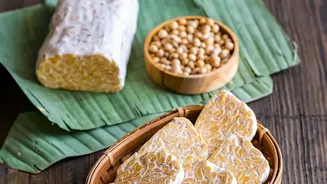
Fermentation is an ancient technique used to preserve food. It involves a natural process where microorganisms like bacteria and yeast break down sugars in food. This not only extends shelf life but also transforms the food, creating new flavours, textures, and health benefits. The process can make foods easier to digest and can increase the bioavailability of certain nutrients, like B vitamins. The live microorganisms created during fermentation are what we call probiotics, which help populate our gut with beneficial microbes.
India’s Treasure Trove of Fermented Foods
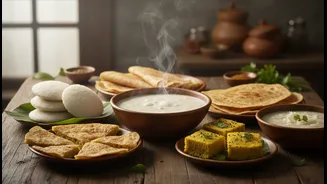
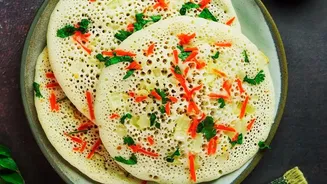
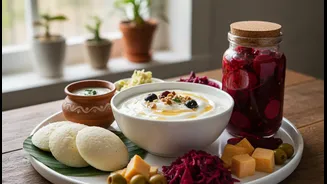
Indian cuisine is rich with fermented foods that have been staples for generations. Dahi (curd) is perhaps the most common, a powerhouse of probiotics that cools the stomach and aids digestion. South Indian staples like idli and dosa are made from a fermented batter of rice and lentils, making them light and easy to digest. In Gujarat, dhokla is a steamed, spongy snack made from fermented chickpea flour. Other regional gems include kanji, a North Indian fermented carrot drink, and pakhala, a fermented rice dish from East India, each offering unique probiotic benefits.
The Wisdom of Eating Seasonally
The principle of eating with the seasons is a cornerstone of traditional systems like Ayurveda. The idea is to consume foods that balance the body against the qualities of the current season. For example, summer (Pitta season) calls for cooling, hydrating foods to soothe the body's internal heat. The monsoon and winter months (Vata and Kapha seasons) require warm, nourishing, and easily digestible foods to support immunity and digestion when the digestive fire, or agni, might be weaker. This practice ensures that the body gets the nutrients it needs to thrive in its environment.
Connecting Fermentation to the Seasons
Traditionally, the inclusion of fermented foods in Indian diets has naturally followed a seasonal rhythm. During the hot summer months, cooling fermented foods like dahi, chaas (buttermilk), and kambu koozh (fermented pearl millet porridge) are consumed to hydrate the body and support a stressed digestive system. These probiotic-rich foods help maintain gut integrity during the intense heat. In other seasons, different fermented items take precedence. For instance, in some traditions, warming fermented foods are preferred in winter to keep the body nourished and the digestive system active. This seasonal approach isn't just a coincidence; it's a sophisticated system developed over centuries to maintain health and balance year-round.