







Stuck indoors or short on space? You don't need a sprawling home or fancy gym equipment to get your steps in. Indoor walking is a simple, free, and effective way to boost your heart health and mood, right in your own living room.
The Power of Walking in Place
Don't underestimate the
benefits of a stationary march. Walking in place is a fantastic low-impact cardiovascular exercise, meaning it's gentle on your joints while still elevating your heart rate. This makes it an excellent choice for beginners, those recovering from injury, or anyone looking for a convenient way to stay active regardless of the weather. It improves circulation, helps burn calories, and can boost your energy levels, even in short bursts between meetings or while watching TV. The best part? It's completely free and requires no special gear, making it one of the most accessible workouts available.
Setting Up for Success
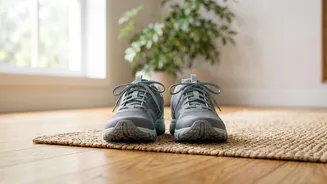
You don't need much to begin. The main requirement is a small, clear area. A space just a little wider than your body is sufficient. Look for a spot in your living room, bedroom, or even a hallway. Remove any potential trip hazards like rugs, toys, or stray electrical cords. While you can walk barefoot, wearing a pair of supportive athletic shoes is recommended to provide cushioning and prevent strain. Good posture is also key. Stand tall, relax your shoulders, lift your chest, and keep your gaze forward, not down at your feet. This ensures you can breathe deeply and protects your neck and back.
Mastering the Basic Moves
The foundation of any indoor walking routine is the basic march. Stand with your feet hip-width apart and begin lifting your knees alternately, as if you're marching on the spot. Swing your arms naturally in rhythm with your legs—this helps propel you, engages your core, and adds to the cardio challenge. From there, you can introduce simple variations to work different muscles and increase intensity. Try side steps, tapping your foot out to the side and then bringing the other to meet it. You can also incorporate low front kicks or tap your foot behind you, mimicking a cross-country skiing motion.
Building a Full-Body Workout
To get more out of your session, add intentional arm movements. While doing side steps, you can raise your arms to the front or side. As you march, try bicep curls or triceps kickbacks. Raising your arms above your head will increase the intensity and make your heart work harder. Another powerful addition is the knee lift, where you deliberately drive one knee up towards your chest before switching sides. Combining these upper_body movements with your steps turns a simple walk into a more comprehensive, calorie_burning workout.
Your First Indoor Walking Routine
A structured routine helps you stay consistent and see progress. For beginners, a simple interval format works well. Start with a 3–5 minute warm–up of slow, gentle marching to prepare your body. Then, begin your main workout. You can alternate between one minute of brisk marching and one minute of a variation like side–steps or high knees. Try a circuit of 4–5 different moves. Continue this pattern for 10–20 minutes. To finish, cool down for 3–5 minutes with a slower march, allowing your heart rate to return to normal. Remember to listen to your body and rest when you need to.
Keeping It Fresh and Fun
The key to consistency is enjoyment. One of the biggest advantages of indoor walking is the ability to multitask. Put on your favorite upbeat music—a rhythm of 120–130 beats per minute is great for a steady pace. You can also catch up on a podcast or stream a TV show while you march. If you need more structure, there are thousands of free guided indoor walking videos online that you can follow along with. These often include choreography and music that make the time fly by. Tracking your steps with a phone or fitness tracker can also be a great motivator.