





A Break from Convention and Crowds
The traditional travel calendar in India has long been dictated by summer holidays and festive seasons. The monsoon was typically seen as an off-season, a time to avoid. However, a significant shift is underway. Recent data indicates that monsoon is now
a preferred travel window, with hotel bookings seeing a year-on-year increase of over 50%. More specifically, flight bookings for individual travellers have risen by 65% during the monsoon period compared to the previous year, highlighting a distinct boom in solo journeys. This isn't about month-long expeditions; it's about the rise of the 'micro-holiday'. Indians, particularly younger generations, are swapping one long annual vacation for multiple shorter trips, often lasting just a few days and planned spontaneously.
The Freedom of a Solo Journey
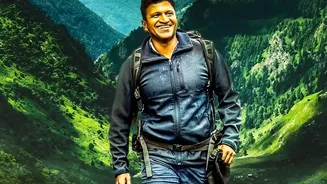
The decision to travel alone is a powerful driver of this trend. For many, solo travel is an opportunity for self-discovery and a break from the chaos of daily life. It offers a rare chance to disconnect from routine, make decisions without compromise, and reconnect with oneself on a deeper level. This desire for personal growth and empowerment is a key motivator. The monsoon season, with its introspective and often dramatic atmosphere, provides the perfect backdrop for such journeys. The solitude of a misty mountain trail or the rhythmic sound of rain on a houseboat offers a unique form of therapy, an escape that is both physical and mental.
The 'Work from Anywhere' Effect
The rise of remote and hybrid work models has been a major catalyst. The flexibility to work from anywhere has untethered millions of Indian professionals from their office desks, blending the lines between work, life, and travel. A laptop and a reliable internet connection can turn a scenic homestay into a temporary office. This allows for 'workations' and extended stays, but more importantly, it makes short, spontaneous trips more feasible. A long weekend can easily be stretched by a day or two without dipping into precious annual leave. This newfound flexibility allows travellers to take advantage of off-season prices and avoid peak-season crowds, making monsoon travel even more appealing.
Where the Rain Beckons
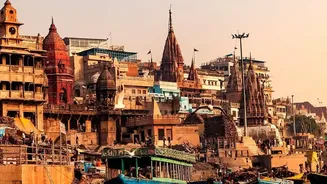
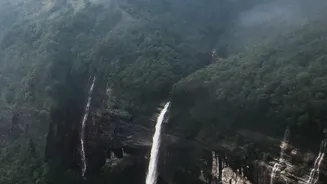
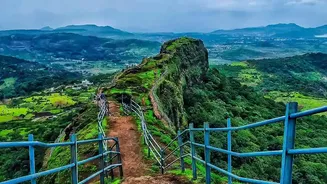
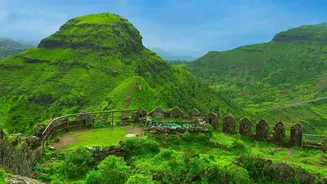
While established destinations like Goa still see booking growth of over 100% during the monsoon, travellers are increasingly exploring offbeat locales. The lush, rain-washed landscapes of the Western Ghats and Kerala are perennial favourites. Wayanad and Alleppey in Kerala have seen hotel bookings skyrocket by over 160% and 145% respectively. Hill stations like Coorg, Munnar, Kodaikanal, and Ooty, wrapped in mist and monsoon greenery, are prime choices for those seeking tranquility. There's also a growing interest in the Northeast, with states like Nagaland and Arunachal Pradesh recording significant increases in flight and hotel bookings, as travellers seek immersive nature-led experiences away from the usual circuits.
A Shift in Priorities
Ultimately, this trend reflects a broader cultural shift. For a new generation of Indians, travel is becoming less of a rare, planned event and more of an integrated lifestyle choice. It is viewed as an essential form of self-care and personal expression. The preference for shorter, more frequent breaks suggests a move towards sustainable wellness, where small, regular doses of nature and solitude are prioritised over a single, exhaustive annual trip. This move away from 'tick-box' tourism towards experience-driven getaways is redefining India's travel landscape, one solo monsoon journey at a time.