







The Monsoon Kitchen Challenge: Why Humidity is the Enemy
The core problem during the rainy season is moisture. High humidity, often reaching 70-90% in India, creates the perfect breeding ground for bacteria, mould, and fungi. This is why food that stays fresh for weeks in summer can spoil in days. Dry foods
are hygroscopic, meaning they naturally absorb moisture from the air, which leads to clumping in spices, softness in biscuits, and spoilage in flour. For fresh produce, the dampness encourages faster decay and fungal growth. Understanding this helps explain why a few key changes in storage and hygiene are so important during this season.
Mastering Your Dry Goods Storage
Your pantry requires the most attention during the monsoon. To protect staples like flour, lentils, spices, and snacks, airtight containers are non-negotiable. Transfer items from their original paper or plastic packets into clean, completely dry glass or BPA-free plastic jars with tight-sealing lids. For an extra layer of protection, lightly dry-roast items like rava (semolina) and lentils before storing them to remove any existing moisture and extend their shelf life. Traditional wisdom also works wonders: placing a few dried bay leaves in flour and rice containers can deter pests, while a small cloth pouch of raw rice or rock salt in sugar and salt jars will absorb excess moisture and prevent clumping.
Keeping Spices Aromatic and Safe
Spices are particularly vulnerable to losing their aroma and clumping due to moisture. Store them in small, airtight jars away from the stove and sink. The steam from cooking is a primary culprit for introducing humidity into spice containers. Always use a completely dry spoon when scooping out masalas. A smart strategy is to keep smaller jars for daily use, so you aren't exposing your entire stock to humid air every time you cook. Before refilling a container, ensure you empty, clean, and thoroughly dry it.
Preserving the Freshness of Fruits and Vegetables
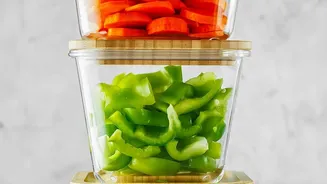
Fresh produce requires a different approach. Start by washing all fruits and vegetables thoroughly under running water. For leafy greens, a soak in salt or diluted vinegar water can help remove germs. The most critical step is to dry them completely before storage. Wet vegetables will rot quickly in the fridge. Wrap leafy greens like spinach and coriander in paper towels or newspaper before placing them in breathable bags in the refrigerator; this absorbs excess moisture. It's also wise to buy produce in smaller batches more frequently rather than stocking up for the week, as they spoil faster in this weather.
Handling Cooked Food and Leftovers
Cooked food should not be left at room temperature for more than an hour during the monsoon. High humidity can cause bacteria, like Bacillus cereus in rice, to multiply rapidly. Cool leftovers quickly by spreading them on a plate before transferring them to airtight containers and refrigerating them promptly. When it comes to eating out, be extra cautious with street food, especially raw items like chutneys and salads, as the risk of contamination from unclean water is higher. Whenever possible, opt for freshly prepared, hot meals.
General Kitchen Hygiene for the Rains
A clean kitchen is your first line of defense. Wipe down countertops, stovetops, and sinks daily, using a disinfectant or a vinegar-water solution to prevent bacterial growth. Pay close attention to your refrigerator, cleaning it regularly to prevent mould from growing in corners or on shelves. Ensure your kitchen is well-ventilated; use an exhaust fan to remove steam while cooking. Finally, keep your waste bins covered and empty them daily to avoid attracting pests, which are more common during this season.