




The Allure of 'Zero Cost' Shopping
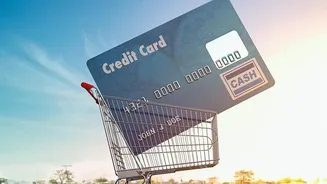
In India's competitive retail market, 'No-Cost' or 'Zero Cost' EMI has become a go-to marketing tool, especially for electronics, home appliances, and festival season shopping. The proposition is simple and incredibly attractive: buy a product now, pay
for it in easy monthly instalments, and pay nothing more than the sticker price. It feels like a win-win, offering instant gratification with the convenience of deferred payment. This payment method allows consumers to acquire expensive items they might not be able to afford in a single lump-sum payment, making desirable products feel more accessible to a wider audience. The psychological appeal is immense, as it removes the immediate financial barrier and the perceived sting of interest charges that come with regular EMIs.
The Discount Forfeiture Trick
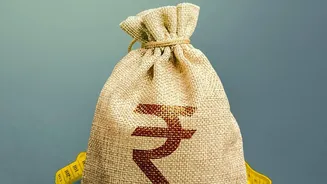
Herein lies the most common catch. Retailers often provide instant discounts for customers who pay the full amount upfront using cash, debit cards, or specific credit cards. However, when you opt for a 'No-Cost EMI', you almost always forfeit this upfront discount. The value of the discount you give up is essentially the interest you are paying in a disguised form. For instance, a smartphone priced at ₹50,000 might have a ₹4,000 instant discount for a full payment, making the cost ₹46,000. If you choose a six-month No-Cost EMI, you'll pay the full ₹50,000, spread over the tenure. In this scenario, the 'cost' of your 'zero-cost' loan is the ₹4,000 discount you didn't receive.
Unmasking the Hidden Charges
Even beyond the lost discount, several other charges can inflate the final price. Banks and financial institutions often levy a non-refundable processing fee for converting the purchase into an EMI. This fee can range from ₹99 to over ₹999, plus GST. Furthermore, while the interest amount is supposedly covered by the retailer's discount, the GST applicable on that interest component is typically passed on to the customer. Though small, these charges add up. So, while you're not paying 'interest' in the traditional sense, you are paying processing fees and taxes that a customer paying upfront would not.
The RBI's Stance on Zero Interest
The Reserve Bank of India (RBI) has made its position clear on this matter. In a circular released as far back as 2013, the RBI stated that the concept of zero percent interest is non-existent. The banking regulator clarified that the interest amount is often camouflaged and passed on to the customer in other forms, such as processing fees or by being bundled into the product's price. More recent directives mandate that lenders must maintain complete transparency. They are required to clearly show the principal amount, the interest, and the upfront discount provided by the merchant before converting a transaction into an EMI. Any scheme with an interest component cannot be marketed as 'zero-interest' or 'no-cost'.
How to Be a Smarter Shopper
A 'No-Cost EMI' is a tool for convenience, not necessarily for savings. To make an informed decision, always do the math. First, check the price of the product if you pay the entire amount at once, including any available discounts or cashback offers. Next, calculate the total amount you would pay via the No-Cost EMI, factoring in the processing fee and any applicable GST. Compare these two final figures. If the upfront payment is significantly cheaper and you have the funds, it's the better financial choice. Also, remember that opting for an EMI, even a no-cost one, blocks the entire purchase amount on your credit card limit, which can affect your credit utilisation ratio and your ability to make other purchases.