







Is Your Neighbourhood a Risk Zone?
The first step in assessing your risk is knowing your location's history and topography. The Brihanmumbai Municipal Corporation (BMC) and the Geological Survey of India (GSI) have identified numerous landslide-prone areas across the city. According to a recent
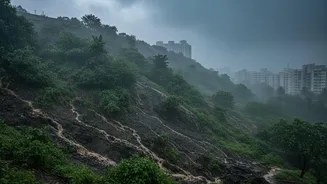
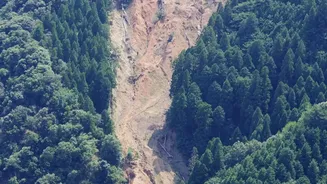
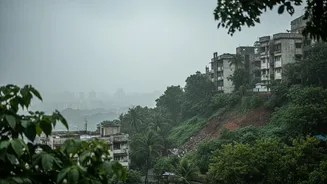
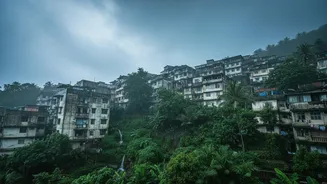
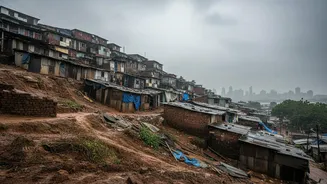
GSI survey, there are 249 such locations, with 74 classified as particularly vulnerable. These are often areas with steep, barren slopes, or former quarries where the natural terrain has been altered. The eastern suburbs, including Ghatkopar, Vikhroli, Bhandup, and Kurla, have the highest concentration of these zones, largely due to dense informal settlements on hilly terrain. Authorities like the BMC often issue notices and advisories for these specific areas ahead of the monsoon, urging residents to be vigilant or even relocate temporarily. Check the BMC's official website or inquire at your local ward office to see if your neighbourhood is on this list.
Outdoor Warning Signs to Watch For
Landslides rarely happen without giving some clues. During periods of heavy rain, it is crucial to pay attention to changes in the landscape around your property. Look for new cracks appearing on the ground, pavements, or driveways. Other telltale signs include trees, fences, or utility poles that begin to tilt or shift. Pay close attention to water. The emergence of new springs, seeps, or unusually saturated patches of ground in areas that were previously dry is a major red flag. Similarly, a sudden change in the water flow of nearby streams—either a rapid increase or decrease—or water turning muddy can indicate debris movement upstream. Bulging ground at the base of a slope or small slips of earth and falling rocks are also immediate indicators that the ground is unstable.
Telltale Clues Inside Your Home
The signs of ground instability can also manifest inside your house. One of the most common early indicators is when doors and windows that previously opened smoothly suddenly begin to stick or jam. This suggests that the building's frame is being warped by subtle ground movement. You should also be on the lookout for new cracks appearing in plaster, tile, brickwork, or the foundation itself. Another serious warning sign is when outside walls, stairs, or verandas start to pull away from the main structure, creating noticeable gaps. Broken underground utility lines, such as a sudden loss of water pressure, could also signal that the ground is shifting and has severed pipes. Any of these signs, especially during or after intense rainfall, warrants immediate attention.
Protective Measures You Can Take
While you cannot stop a landslide, there are proactive steps to mitigate risk. Ensuring proper drainage is one of the most effective measures; make sure that rainwater is channeled away from slopes and foundations and that drains are not clogged. If you live on or near a slope, maintaining vegetation is crucial, as the roots help bind the soil and prevent erosion. For properties in high-risk zones, structural solutions like retaining walls can provide a barrier against falling debris, and deflection walls can help guide the flow of mud or soil away from your home. Before undertaking any major construction or modification, it is advisable to consult a geotechnical expert to assess slope stability. Adhering to local building codes is not just a legal requirement but a critical safety measure in landslide-prone areas.
What to Do If You Suspect Danger
If you observe any of the key warning signs or hear unusual rumbling sounds, you must act quickly. Your first priority should be to evacuate immediately. Do not wait for official orders if you believe there is an imminent threat. Move to higher ground, away from the path of any potential debris flow. Alert your neighbours and contact the BMC's disaster management cell or your local ward office to report your observations. It is vital to have an emergency plan and a kit with essentials like water, food, and a first-aid kit ready to go. After a landslide, do not return to the area until authorities declare it safe, as more slides can follow. Stay informed by listening to local news and official advisories from agencies like the BMC and the police.