




What is Micro-Fulfillment?
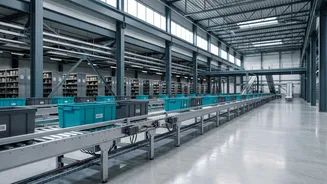
Forget the sprawling, million-square-foot warehouses located on the distant outskirts of a metropolis. Micro-fulfillment centres (MFCs) are their smaller, nimbler cousins. These are compact, highly automated facilities, often no larger than a local supermarket,
strategically placed within or on the edge of towns. Their sole purpose is to get online orders to customers at incredible speeds. By operating closer to the end consumer, companies can drastically cut down on last-mile delivery times, making 10-minute or same-day delivery a feasible reality. This model is the backbone of the quick commerce (q-commerce) boom, which has transformed consumer expectations from 'fast' to 'instant'.
The Urban Demand Engine
The relentless pressure for speed comes from India's Tier 1 cities. Urban consumers, especially young professionals and economic migrants in cities like Bengaluru, Mumbai, and Delhi, are increasingly time-poor and convenience-driven. They have grown accustomed to app-based solutions for everything, and their demand for instant gratification is fuelling the q-commerce explosion. This insatiable appetite for everything from daily essentials to electronics within minutes is forcing logistics and retail companies to completely rethink their supply chains. Traditional logistics models, built on centralised warehousing, are simply too slow to compete.
Why Tier 2 Towns Are the Answer
Instead of battling the sky-high real estate costs and traffic congestion of Tier 1 cities, companies are looking to their neighbours. Tier 2 cities like Jaipur, Lucknow, Coimbatore, Indore, and Bhubaneswar are emerging as ideal locations for these crucial fulfillment hubs. The logic is simple: these towns offer a compelling combination of lower operational costs, a large and willing workforce, and improving infrastructure. By setting up MFCs here, companies can serve a nearby Tier 1 city's demand more efficiently and affordably, while also tapping into the growing consumer base of the Tier 2 town itself.
A Local Job Creation Boom
This strategic shift is creating a wave of new employment opportunities in smaller cities. Recent reports indicate that hiring in Tier 2 and Tier 3 cities is outpacing that of metros, with sectors like e-commerce and logistics leading the charge. According to one report, 69% of organisations reported increasing their hiring from these cities by over 30% in the last two years. The jobs created are diverse, ranging from warehouse associates, pickers, and packers to delivery partners, operations executives, and logistics coordinators. This trend provides formal employment, often with structured salaries and benefits, to a segment of the population that previously had limited access to such roles.
The Ripple Effect on Local Economies
The impact extends far beyond direct employment. The influx of organised logistics operations brings a host of secondary benefits to Tier 2 economies. Increased employment leads to higher disposable incomes, which in turn boosts local consumption and supports small businesses. This growth also attracts further investment into the region. For employers, a key advantage is not just cost savings, but also lower attrition rates and stronger employee loyalty compared to the hyper-competitive metro job markets. This creates a more stable and sustainable operational environment for the companies and a positive economic cycle for the towns.
Challenges and the Road Ahead
Despite the optimism, the rapid growth is not without challenges. A major concern cited by employers is that infrastructure and connectivity in some smaller cities still lag, which can create operational bottlenecks. Furthermore, ensuring that these new jobs are high-quality and offer pathways for career growth will be crucial for long-term success. The focus for both companies and local governments must be on investing in skill development to help the local workforce transition into more advanced roles. As technology like AI and automation becomes more integrated into logistics, upskilling will be essential to ensure the workforce remains relevant and can command higher wages.