





Beyond the Moon: A Vision for 2047
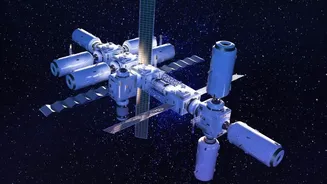
India's space agency, ISRO, has charted a bold course to the year 2047, which marks the nation's 100th year of independence. This isn't just a list of missions; it's a comprehensive strategy to become a top-tier space power. The roadmap includes ambitious
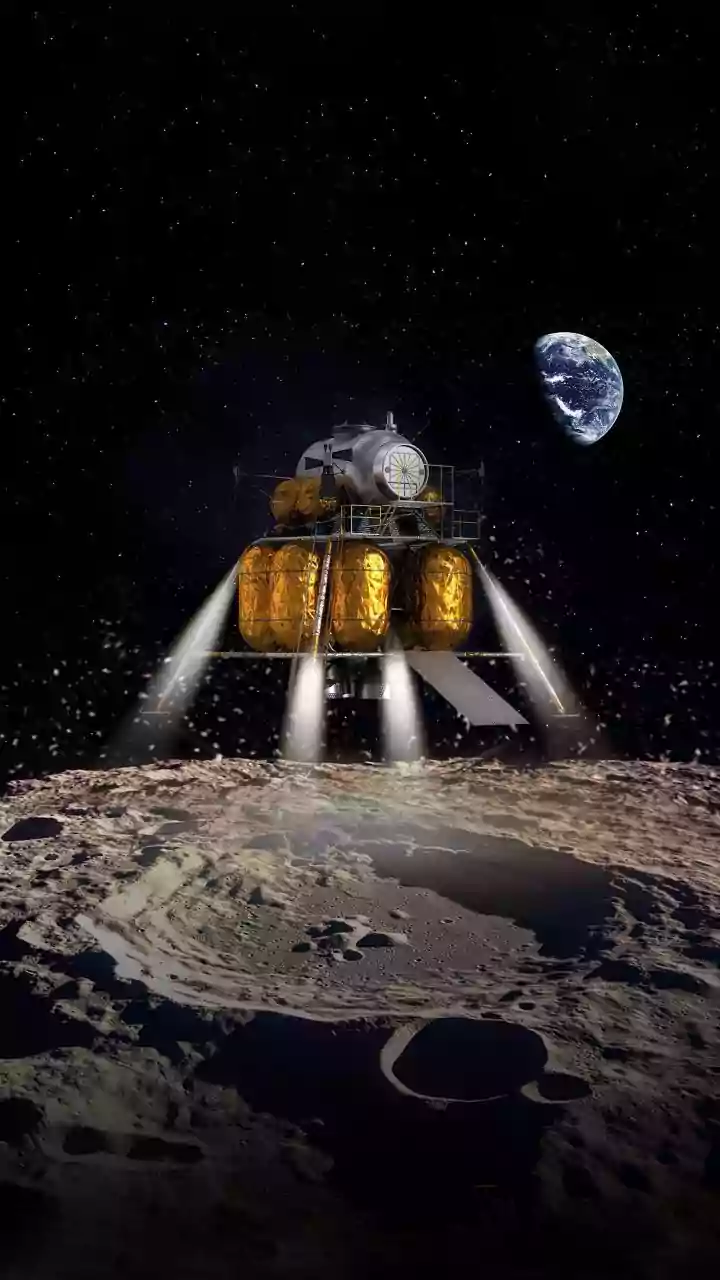
goals like a domestic space station by 2035, sending an Indian astronaut to the Moon by 2040, and establishing interplanetary missions. Underlying all of this is a major push to integrate next-generation technologies. At a recent National Space Technology Conclave, ISRO experts detailed how artificial intelligence and quantum technology will be the twin engines powering this leap. This move signals a shift from purely exploration-focused missions to building a technologically sovereign and economically competitive space ecosystem.
AI as the Onboard Brain and Analyst
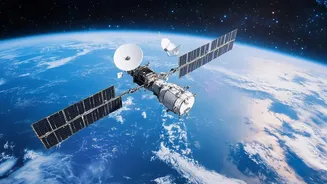
So, what does adding AI to a space program actually mean? Think of it as giving satellites and probes their own brains. Instead of just collecting massive amounts of data and beaming it all back to Earth for analysis, AI and machine learning will allow for on-board data processing. This is a game-changer for several reasons. For disaster management, a satellite could identify a flood or wildfire and send targeted, real-time alerts directly to authorities without human delay. For navigation, AI can enable autonomous course correction for deep-space probes. It also means satellites can become much more efficient, analyzing images for everything from agricultural health to urban planning right from orbit. This 'edge computing' in space dramatically speeds up decision-making and makes space assets more versatile.
Quantum's Promise of Unhackable Communication
The quantum part of the roadmap sounds like science fiction, but its primary goal is intensely practical: security. Quantum technology is poised to revolutionize communications by making them virtually unhackable. ISRO is developing quantum key distribution (QKD), a method that uses the principles of quantum physics to create secure communication channels. If anyone tries to intercept a quantum-secured message, the very act of observing it changes its state, immediately alerting the sender and receiver. This is critical for protecting sensitive military communications, financial transactions, and national security data relayed via satellite. India has already successfully demonstrated free-space quantum communication over short distances and is aiming to have a quantum satellite in orbit within the next few years as part of its National Quantum Mission.
A New Power Player in the Global Tech Race
By explicitly combining its space ambitions with national initiatives in AI and quantum computing, India is making a powerful strategic statement. This isn't just about keeping up with NASA or China's space program; it's about positioning itself as a leader in the core technologies that will define the 21st century. For the United States, this development presents both a challenge and an opportunity. India's rise creates a new hub of innovation and a potential partner for collaborative missions, with ISRO already working with agencies like NASA on joint projects. At the same time, it intensifies the global competition for technological supremacy. As nations increasingly rely on space for everything from GPS and communication to national security, the ability to build, launch, and secure these assets independently is paramount. India's integrated roadmap shows it plans to be in the driver's seat.