

The Power of Polyphenols
Before diving into cooking methods, it's important to understand what we're trying to save. Polyphenols are a large group of natural compounds found in plants. These powerful micronutrients act as antioxidants, protecting our bodies at a cellular level.
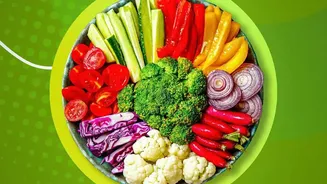
A diet rich in polyphenols is strongly linked to a lower risk of chronic conditions such as heart disease, type 2 diabetes, and certain cancers. They work by fighting inflammation and neutralizing harmful free radicals that can cause damage to our cells. Think of them as your body's microscopic bodyguards. These beneficial compounds are abundant in many plant-based foods, especially colourful fruits and vegetables, including the green veggies that are a staple in many Indian households.
The Problem with High-Heat Cooking
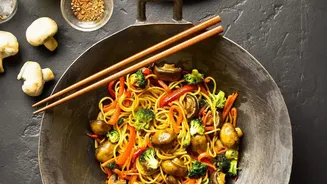
Many common cooking methods unfortunately work against our goal of maximizing nutrition. When vegetables are exposed to high temperatures, it can cause a process called thermal breakdown. This process can degrade and destroy delicate, heat-sensitive compounds like polyphenols. Boiling, for example, is a double-edged sword. Not only does the high heat damage nutrients, but many water-soluble vitamins and polyphenols also leach out of the vegetables and into the cooking water, which is often discarded. Some studies have shown that boiling can destroy a significant percentage of a vegetable's original polyphenol content. Frying, while adding flavour, often involves even higher temperatures and can also lead to substantial losses of these vital compounds. Even microwaving can have a variable and sometimes negative impact, depending on the food.
Why Steaming Is the Superstar Method
This is where steaming shines. Steaming is a gentler cooking method that uses the indirect heat of hot, moist air to cook food. The vegetables are typically placed in a basket above simmering water, meaning they aren't submerged. This key difference prevents the valuable water-soluble polyphenols from leaching away. Moreover, steaming generally uses lower temperatures than frying or roasting, and often for a shorter duration than boiling, which helps prevent thermal degradation. Multiple studies have confirmed that steaming is superior for preserving the polyphenol content and antioxidant activity in many vegetables when compared to other methods like boiling. In some cases, steaming can even make polyphenols more available to our bodies by slightly breaking down the plant's tough cell walls, releasing more of the good stuff.
The Best Greens for the Job
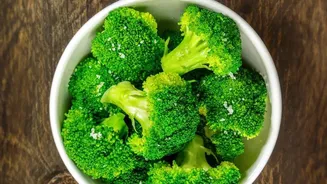
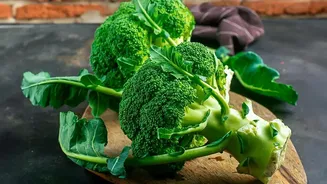
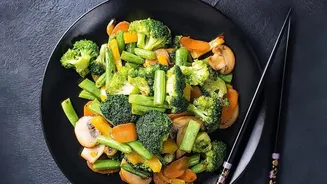
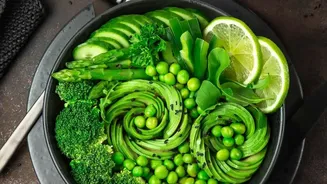
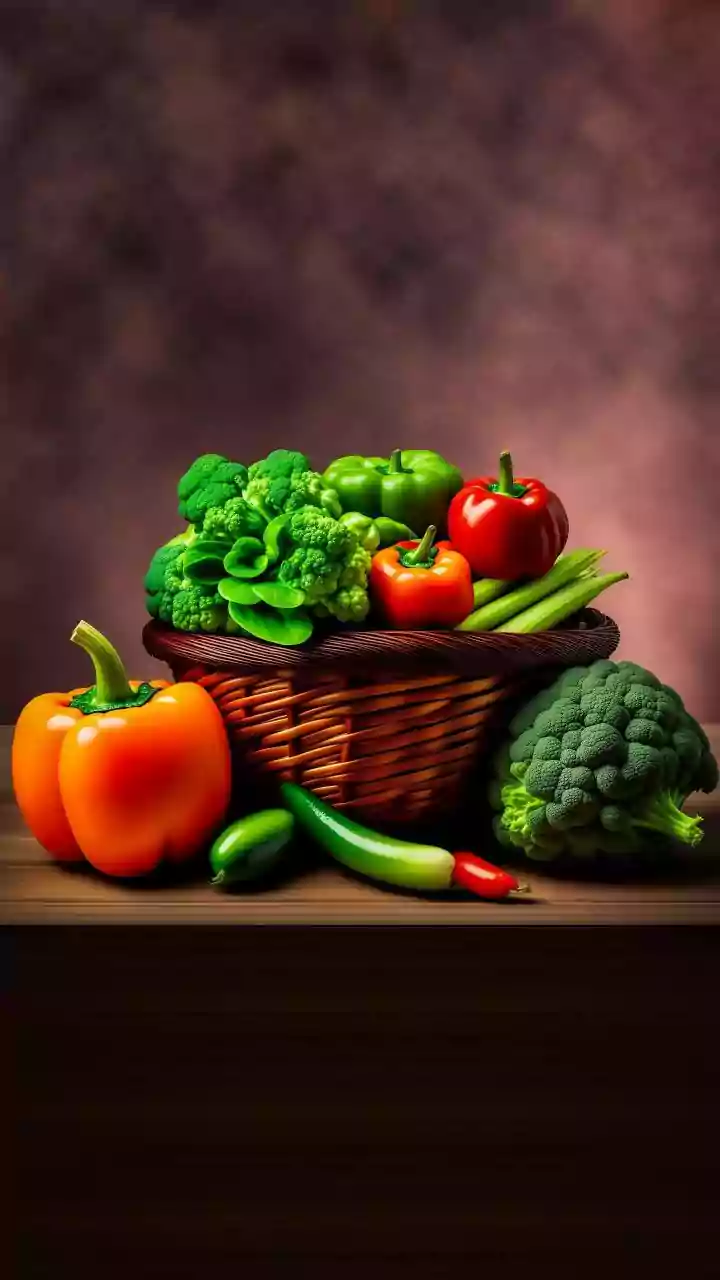
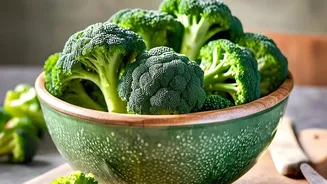
While this principle applies to many vegetables, it's particularly relevant for green ones packed with polyphenols. Some of the best candidates for your steamer include broccoli, spinach (palak), green beans, kale, and asparagus. Broccoli, for instance, is famously rich in beneficial compounds, and studies have specifically shown that steaming preserves them better than boiling or microwaving. Spinach, a favourite in Indian cuisine, is also a great source of polyphenols and benefits from a gentle steam. To get the most benefits, aim for a wide variety of colourful vegetables in your diet, with a special focus on steaming the green ones.
Simple Tips for Perfect Steaming
Incorporating steaming into your cooking routine is easy. You don't need fancy equipment; a simple metal or bamboo steamer basket placed inside a pot with a lid works perfectly. First, bring a small amount of water to a simmer in the pot. Place your chopped vegetables in the basket, ensuring the water doesn't touch them. Cover the pot and let the steam do its work. The goal is 'tender-crisp'—cooked through but still with a bit of a bite. This usually takes just a few minutes, depending on the vegetable. Overcooking can still lead to nutrient loss, so keep an eye on them. Once done, you can toss the vibrant, nutrient-packed vegetables with a dash of olive oil, lemon juice, or your favourite spices to add flavour without compromising their health benefits.