



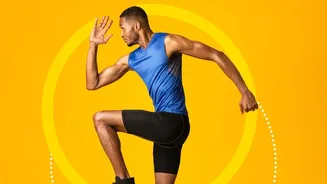


The Challenger: High-Intensity Interval Training (HIIT)
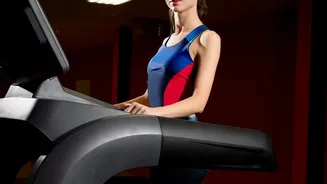
High-Intensity Interval Training, or HIIT, involves short, explosive bursts of all-out effort followed by brief recovery periods. Think 30 seconds of sprinting on a treadmill, followed by 90 seconds of walking, repeated for 15 to 20 minutes. The goal
is to push your heart rate to its upper limits (around 80-95% of your max) during the intense phases. This can be applied to almost any activity: cycling, bodyweight exercises like burpees, or rowing. Because the sessions are so intense, they are naturally short, making them a go-to for the time-crunched professional.
Why HIIT Is So Effective
The main advantage of HIIT is its incredible time efficiency. You can achieve significant results in just 20-30 minutes. But the real magic happens after the workout. HIIT is famous for its “afterburn effect,” scientifically known as Excess Post-Exercise Oxygen Consumption (EPOC). This means your metabolism stays elevated for hours after you’ve stopped exercising as your body works to recover, burning more calories throughout the day. Studies show HIIT is highly effective at improving cardiovascular health, boosting VO2 max (a measure of aerobic fitness), and preserving muscle mass while shedding fat.
The Contender: Low-Intensity Steady-State (LISS)
Low-Intensity Steady-State cardio is the opposite of HIIT. It involves maintaining a consistent, low-to-moderate pace for a longer duration, typically 30 to 60 minutes. The intensity should be low enough that you could comfortably hold a conversation—think a brisk walk, a light jog, or a leisurely bike ride. During LISS, you aim to keep your heart rate in a steady, lower zone, around 50-70% of your maximum. It's less demanding on the body and relies on aerobic energy systems, which use a higher percentage of fat for fuel during the exercise itself.
The Case for LISS Cardio
The biggest strengths of LISS are its accessibility and low impact. It's perfect for beginners, individuals recovering from injury, or anyone who finds high-intensity exercise too demanding or stressful. Because it's gentler on the joints and requires less recovery time, you can do it more frequently. LISS is excellent for building endurance, improving heart health, and aiding active recovery after a tougher workout. Many people also find the steady, rhythmic nature of LISS to be meditative and effective for reducing stress, which is a significant benefit for anyone with a high-pressure job.
Head-to-Head: What Matters for You?
When choosing between HIIT and LISS, consider these key factors. If your primary constraint is time, HIIT is the clear winner, delivering comparable or better results in a fraction of the time. For pure calorie burn, HIIT also has an edge due to the afterburn effect. However, HIIT is physically demanding and carries a higher risk of injury if your form isn't correct, and it requires more recovery between sessions. LISS burns fewer calories per minute but can be done for longer and more often. It's safer, especially for beginners, and great for building a solid fitness base and managing stress.
The Verdict: Which Is Best for a Desk Worker?
The best cardio for a desk-bound professional isn't about which one is scientifically superior, but which one you will actually do consistently. Ask yourself: How much time do I realistically have? Am I a beginner or an experienced exerciser? Do I prefer an intense challenge or a calming routine? Many experts suggest that the optimal approach is a combination of both. You could perform HIIT two or three times a week to maximize fat loss and cardio improvements, and use LISS on other days for active recovery and stress relief. This hybrid model gives you the metabolic benefits of high intensity and the sustainable, joint-friendly advantages of steady-state cardio.