


In the quest for mental clarity, movement is a powerful ally. Both yoga and dance offer profound benefits, yet they take different paths to wellbeing. One cultivates stillness, the other celebrates expression. But which is right for you?
The Path of Internal Stillness
Yoga is renowned
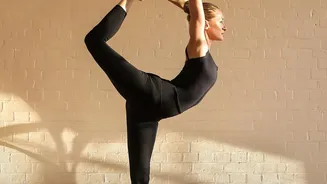
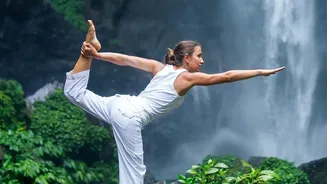
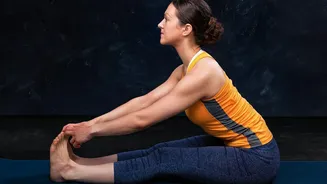
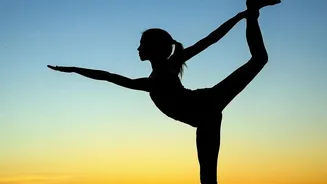
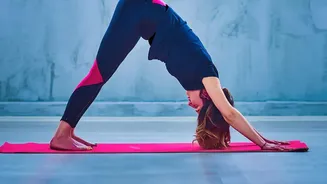
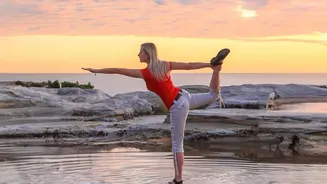
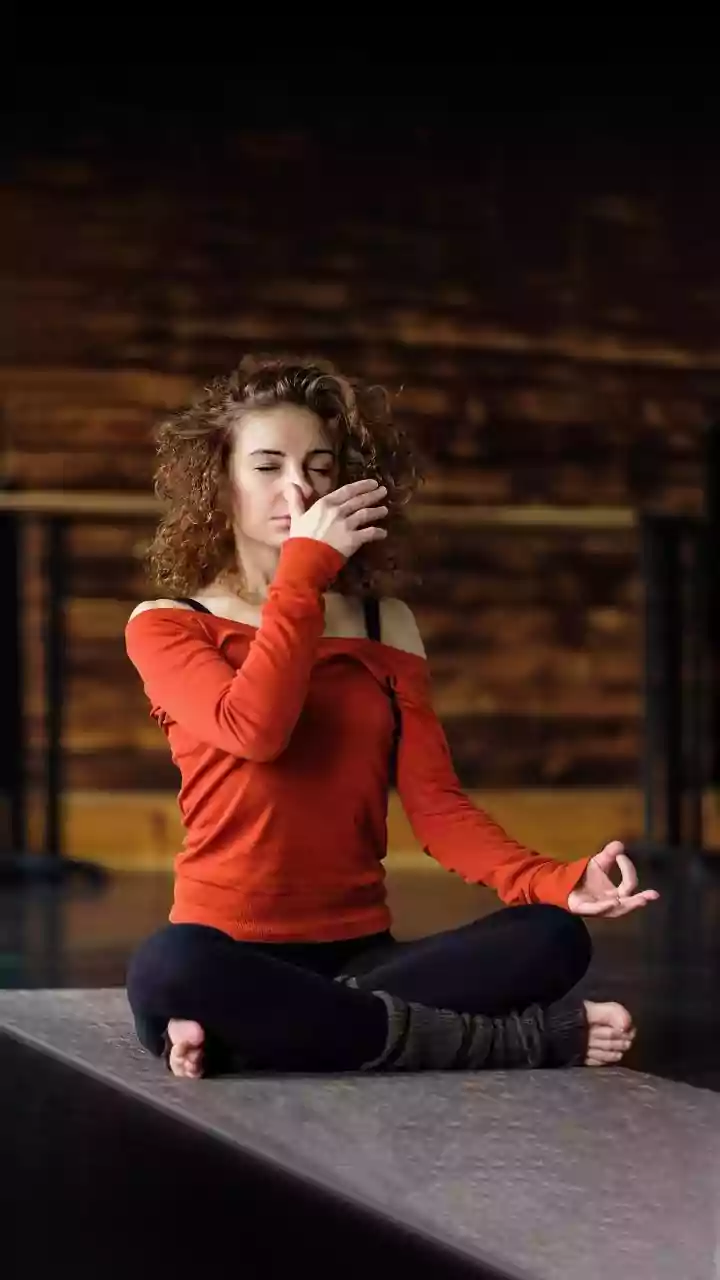
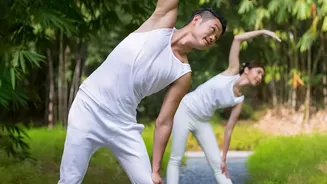
for its ability to calm a racing mind. Its power lies in a combination of physical postures (asanas), controlled breathing (pranayama), and meditation. This trifecta encourages a state of mindfulness, guiding your focus to the present moment. Research shows that a consistent yoga practice can help lower cortisol, the body's primary stress hormone. By training your brain to stay present, you can reduce the patterns of worry and rumination that fuel anxiety. Studies suggest yoga may also elevate levels of a brain chemical called GABA, which is associated with better mood and decreased anxiety, making it a powerful tool for managing mental and emotional health.
The Joy of Expressive Release
Where yoga turns inward, dance explodes outward. Dance is a potent form of emotional expression and catharsis. It allows you to physically manifest feelings—joy, frustration, passion—that might otherwise remain bottled up. This release is deeply therapeutic. The combination of music and movement has been found to boost mood-regulating neurotransmitters like serotonin. Furthermore, dance is often a social activity, providing a sense of community and connection that is vital for mental wellbeing. Some studies have even found dance to be highly effective in reducing symptoms of depression, partly because it provides an outlet for creative self-expression.
Structure vs. Spontaneity
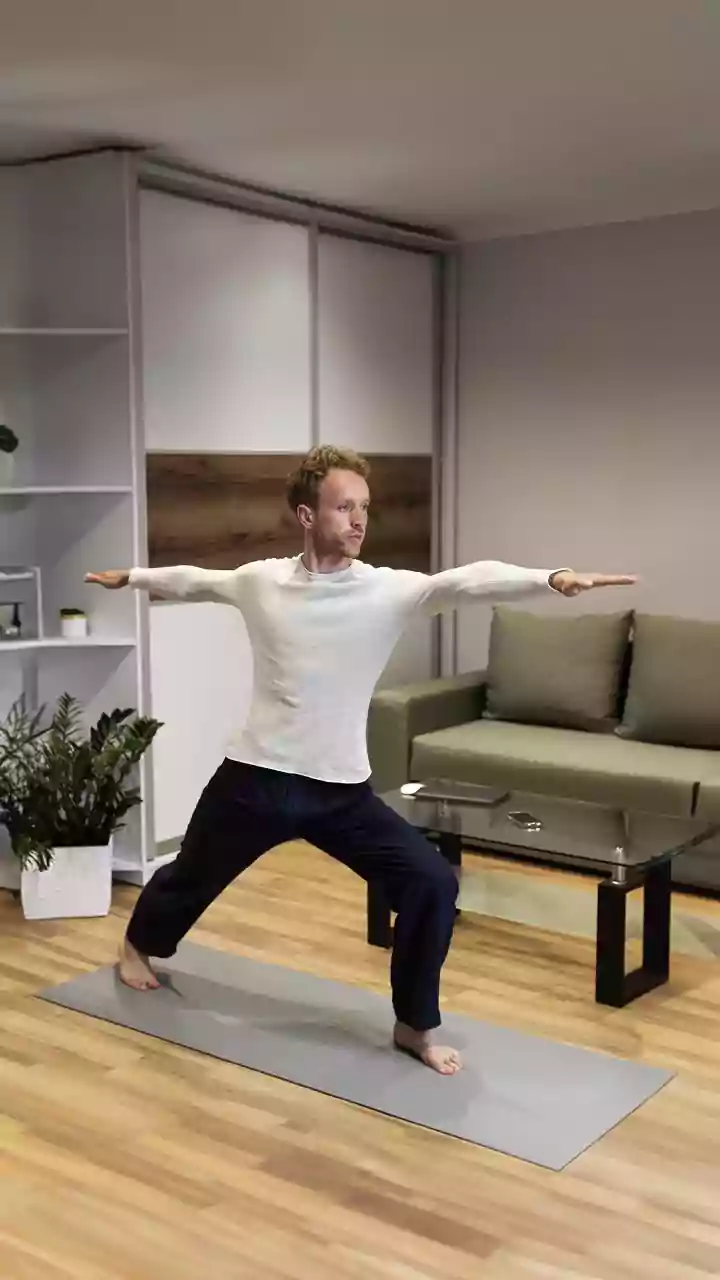
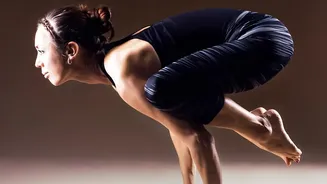
The structure of each practice also shapes its mental impact. Many forms of yoga are built around specific sequences and precise alignment, encouraging a disciplined mind-body connection. This can be incredibly grounding for those who feel scattered or overwhelmed. Holding a challenging pose builds resilience and focus, teaching the mind to remain steady under pressure. Dance, on the other hand, often champions spontaneity and creative freedom. Whether in a structured class or a freestyle session in your living room, it encourages you to listen to the music and let your body respond intuitively. This can be liberating for those who feel constrained or creatively blocked.
The Neurological Benefits
Both activities positively impact brain function, but in distinct ways. Yoga is celebrated for its ability to enhance mind-body awareness and reduce emotional reactivity. By slowing down and linking breath to movement, you soothe the nervous system, shifting it from a 'fight-or-flight' state to 'rest-and-digest'. Dance, through its rhythmic and often complex coordination, also improves cognitive function. The act of learning and executing steps enhances memory and focus. Both practices trigger the release of endorphins, the brain's natural mood elevators, which helps explain why you almost always feel better after a session.
How to Choose Your Practice
Since there is no single 'better' option, the right choice depends entirely on your personal needs and personality. If your goal is to quiet anxious thoughts, reduce stress through mindfulness, and build internal resilience, yoga may be the ideal path. Consider a Hatha or Yin class for a slower, more meditative experience. If you are feeling low in energy, emotionally stuck, or seeking a joyful and communal way to boost your mood, dance might be the perfect fit. A Zumba class offers high-energy fun, while contemporary or conscious dance provides a space for emotional exploration. The best way to know for sure is to try both and see which one resonates more deeply with you.