
The High Cost of Going Electric
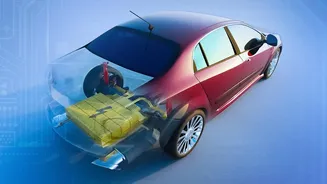
For years, the heart of every electric vehicle has been the lithium-ion battery. While effective, these batteries rely on materials like lithium, cobalt, and nickel, which come with significant challenges. The global supply chains for these minerals are
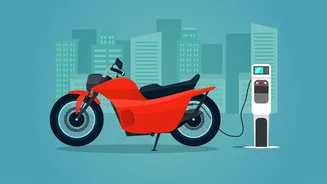
often concentrated in a few regions, leading to price volatility and geopolitical risks. In India, where the two-wheeler is the backbone of personal transport, the battery can account for a huge portion of an EV's total cost. This has kept electric scooters and motorcycles out of reach for a large segment of the population. Manufacturers have largely used two types of lithium-ion batteries: Nickel Manganese Cobalt (NMC), known for high energy density, and Lithium Iron Phosphate (LFP), valued for its stability and longer life. Both, however, are tied to the expensive and complex lithium supply chain, creating a persistent barrier to true affordability.
A Breakthrough Using Common Salt
Scientists are now making significant strides with a promising alternative: sodium-ion batteries. The core principle is similar to lithium-ion, involving ions moving between an anode and a cathode to store and release energy. The crucial difference is that it uses sodium—the same element found in common table salt—instead of lithium. Sodium is one of the most abundant elements on Earth, making it significantly cheaper and more sustainable to source. This technology is not entirely new, as research began in the 1970s but was overtaken by lithium-ion development. Now, with the pressure to find lower-cost energy solutions, sodium-ion is making a major comeback. The goal is to create a battery that is not only cheaper to produce but also safer and more resilient.
The Role of Salt and Silicon
The latest research focuses on enhancing sodium-ion performance by improving the anode—the part of the battery that stores the sodium ions when charged. While hard carbon is a common choice for sodium-ion anodes, researchers are now looking at silicon. Silicon has a very high theoretical capacity, meaning it can hold more energy. However, it has its own challenges; it tends to expand and break down during charging and discharging, a problem that is even more pronounced with larger sodium ions. The new research involves creating composite materials that blend silicon with carbon to manage this instability. This allows the battery to leverage silicon's high capacity while the carbon structure provides stability, improving the battery's overall lifespan and efficiency. The combination of abundant sodium and high-capacity silicon aims to create a battery that is both powerful and cost-effective.
A Game-Changer for India's Roads
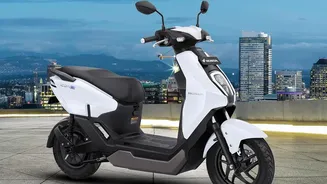
For the Indian two-wheeler market, this technology could be transformative. A significant reduction in battery cost would directly lower the showroom price of electric scooters and motorcycles, making them competitive with their petrol-powered counterparts. Beyond cost, sodium-ion batteries offer other key advantages for Indian conditions. They generally perform better in extreme temperatures, both hot and cold, compared to some lithium-ion chemistries. They are also inherently safer, with a lower risk of fire due to better thermal stability. With millions of two-wheelers navigating dense urban traffic in high temperatures, a safer and more robust battery is a major selling point. This could accelerate EV adoption among daily commuters and commercial fleet operators who prioritize reliability and low total cost of ownership.
From Research to Reality
While the promise of salt-and-silicon batteries is enormous, it's important to remember this is still an emerging technology. The primary hurdle for sodium-ion batteries has been their lower energy density compared to lithium-ion, meaning they are often heavier or bulkier for the same range. However, recent advancements are closing this gap, with new prototypes achieving higher energy densities. Major battery manufacturers are already investing heavily, with some planning mass production before the end of 2026. The path from a laboratory breakthrough to a commercially available product on Indian roads will take time. It requires scaling up manufacturing, refining the technology for mass production, and integration into existing vehicle designs. Still, the progress is undeniable and points toward a future where electric mobility is accessible to all.