


What is Slow Travel?
Slow travel is less about pace and more about mindset. It’s the antithesis of mass tourism, which often involves rushing between hotspots to snap a photo and move on. Instead, slow travel prioritises quality over quantity. It means spending more time
in a single destination, allowing for deeper immersion into the local culture, environment, and community. Think fewer flights and more overland journeys by train or bus, swapping a rigid schedule for spontaneous discovery, and choosing to understand a place rather than just seeing it. This approach values connection, consciousness, and a more intentional way of exploring the world.
The Search for Authenticity
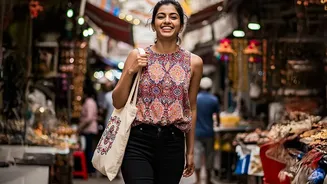
For many in Gen Z, a holiday is an act of self-expression. Recent reports show this generation craves travel that feels personal and unique, not pre-packaged. A 2026 Airbnb report on Indian travellers revealed that 95% want their trips to feel personal, and 87% agree that how they travel reflects who they are. This has led them to seek out “anti-bucket-list” adventures and undiscovered destinations. They are more likely to be found exploring a local market than queuing at a famous monument. The goal is to have authentic moments that feel original, not just algorithm-approved social media content. While platforms like TikTok and Instagram are major sources of inspiration, they are used to find unique experiences rather than just replicate popular poses.
A Conscious Consumer Mindset
Gen Z's environmental and social consciousness is a significant driver of the slow travel movement. This generation is acutely aware of issues like overtourism and climate change. Studies show that a majority of young travellers consider their environmental impact more now than they did a few years ago and that these concerns actively influence their travel plans. Slow travel aligns perfectly with these values. It often involves using lower-carbon transport, supporting local economies by staying in homestays or buying from local artisans, and choosing destinations off the beaten path to reduce strain on popular areas. It’s a form of sustainable tourism that focuses on preserving destinations for future generations.
Digital Detox and Well-being
In a hyper-connected, fast-paced world, the idea of slowing down has immense appeal. For a generation reporting high levels of burnout, travel is becoming a tool for recovery. A recent survey showed two-thirds of Indian Gen Z travellers take trips with the explicit intention of doing nothing—just resting and recuperating. The absence of a plan is often the plan itself. Slow travel provides the perfect antidote to digital fatigue, encouraging travellers to disconnect from their screens and reconnect with themselves and their surroundings. It’s about creating space for rest, reflection, and mental unwinding, making the accommodation itself—like a quiet homestay or a farm stay—a key part of the destination.
Slow Travel in an Indian Context
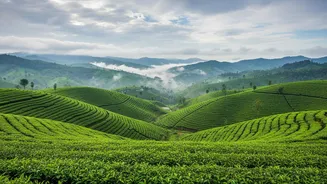
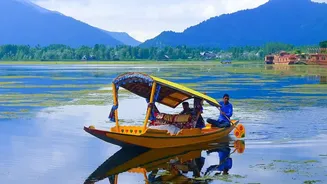
India, with its vast and varied landscape, is an ideal playground for the slow traveller. The trend is moving away from the whirlwind Golden Triangle tour and towards deeper dives into specific regions. Imagine spending a week in a single village in the Himalayas, learning about local life in Ladakh, or exploring the tea estates of Munnar at a leisurely pace. Options like cruising the backwaters of Kerala on a traditional houseboat, staying in heritage havelis in Rajasthan, or exploring the quiet, southern coast of Goa offer immersive experiences that a rushed itinerary simply cannot provide. Even a train journey across the country becomes a quintessential slow travel experience, offering a chance to connect with people and watch the landscape unfold.