




The Sunday Movie Ritual
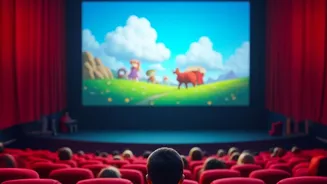
For decades, rediscovering a classic Hindi film was an event dictated by a television schedule. It was a shared, communal experience. Families would plan their weekends around the Sunday evening movie, and film enthusiasts would meticulously scan TV guides,
hoping to catch a rare gem. This system of scarcity created a unique sense of occasion. A movie’s broadcast was a fleeting opportunity, and missing it meant an indefinite wait for its next appearance. The experience was defined by patience, anticipation, and the collective joy of watching a film simultaneously with millions of others, punctuated by frequent commercial breaks.
From Scarcity to Abundance
The arrival of high-speed internet and over-the-top (OTT) streaming platforms completely dismantled this old model. Services like Netflix, Amazon Prime Video, Disney+ Hotstar, and JioCinema began building vast digital libraries. This shift from scarcity to on-demand abundance was revolutionary. Suddenly, entire filmographies of legendary actors and directors were available at our fingertips. Viewers were no longer passive recipients of a broadcaster's schedule; they became curators of their own cinematic journeys. Traditional television viewership has seen a notable decline as audiences migrate to these digital platforms. The power had shifted from the channel to the remote control, and then, to the search bar.
A Superior Viewing Experience
Beyond just availability, streaming offers a technically superior way to experience these classics. Many older films have been painstakingly restored and remastered in high definition, offering a visual and auditory clarity far beyond the grainy, often cropped prints shown on television. The addition of subtitles makes these films accessible to a wider, more diverse audience, including international viewers and the hearing-impaired. Furthermore, the ability to pause, rewind, and discuss a scene without missing the next dialogue enhances personal engagement. It transforms a passive viewing into an active, more intimate exploration of the film's craft.
Discovery Beyond the TV Guide
The new ecosystem has also changed how older films are discovered, especially by younger generations. The process is no longer top-down, but organic and social. A viral clip on Instagram, a fan edit on YouTube, or a discussion thread on a social media platform can spark curiosity, leading a new viewer to seek out a film from the 1970s or 80s on a streaming service. Platforms themselves aid this discovery through recommendation algorithms and curated playlists like "Timeless Classics" or "Golden Age of Bollywood". This digital word-of-mouth creates a fresh cultural currency for films that might have otherwise been forgotten, connecting them with audiences who were born decades after their original release.
The Lost Charm of Shared Experience
While the benefits are undeniable, something has arguably been lost in this transition. The move to individual, on-demand viewing has eroded the communal experience that defined television-era movie watching. The national conversation around a film that aired the previous night has been replaced by a fragmented, personalized media landscape. The paradox of choice can also be overwhelming; when everything is available, deciding what to watch can feel like a chore. The shared anticipation and the collective sigh or laugh that bound families and friends during a TV broadcast are nostalgic memories in an age where everyone might be in the same room, watching different things on different screens.