


Recognise the Signs of Distress
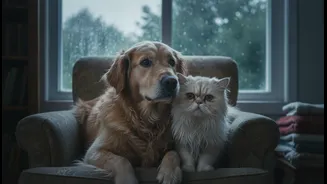
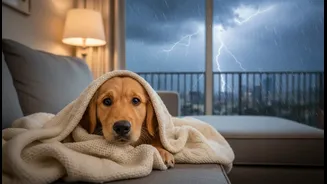
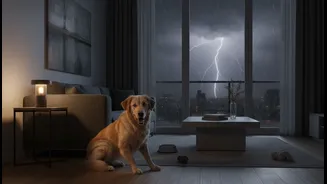
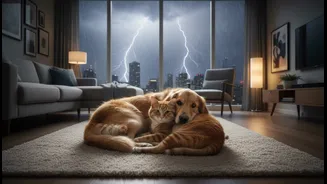
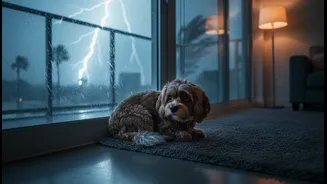
Before you can help, it’s crucial to know what you’re looking for. Pets, both dogs and cats, can be sensitive to drops in barometric pressure, meaning they often feel a storm coming before you do. Common signs of storm phobia include panting, trembling,
pacing, and hiding. In more severe cases, you might notice excessive drooling, vocalising (whining or howling), destructive behaviour like chewing or scratching, or even a loss of bladder control. Cats, in particular, are masters of hiding when scared, so they might simply disappear under a bed or into a closet. Punishing these behaviours will only increase their fear, so a calm and supportive approach is essential.
Create a Safe Indoor Den
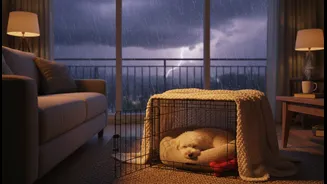
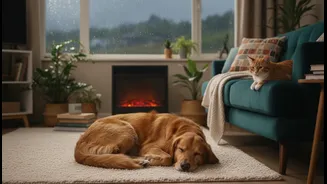
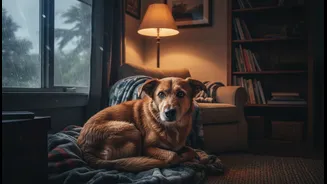
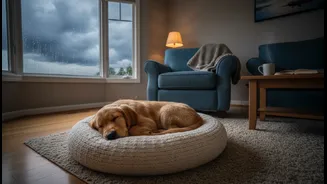
In a small apartment, creating a sense of security is paramount. Your pet’s instinct is to find a safe, enclosed space to hide. You can help by designating and preparing a “storm den” for them. This doesn't need to be elaborate; an interior bathroom, a closet, or even their crate can work perfectly. Make it comfortable with their favourite blankets and toys. If you use a crate, cover it with a thick blanket to muffle sound and block out flashes of lightning, but never lock them inside, as this can heighten their sense of panic. The goal is to give them a quiet, dark, and comforting space they can retreat to voluntarily.
Mask the Sounds of the Storm
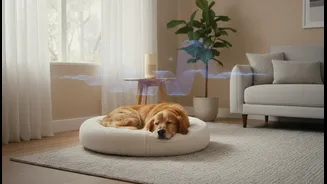
Thunder is often the biggest trigger, and in an apartment building, the noise can seem to come from all directions. Drowning out the frightening booms with more pleasant, consistent sounds can be highly effective. White noise machines, a running fan, or even an air conditioner can create a buffer against the sudden claps of thunder. Playing calming classical music or turning on the television can also help mask the storm's intensity. Remember to draw the curtains or blinds to minimise the startling effect of lightning flashes, which can be just as distressing as the noise.
Keep Calm and Distract
Your pet looks to you for cues on how to react. If you are anxious or overly coddling, it can reinforce their belief that there is something to fear. Try to act calm and normal, as if the storm is no big deal. A powerful strategy is distraction. Engage your pet in a gentle game of fetch or tug-of-war. Offer them a high-value chew or a food puzzle toy, like a Kong filled with frozen peanut butter. This not only takes their mind off the storm but also helps create a positive association; the scary noise now predicts that a fun activity or a delicious treat is coming.
Consider Calming Aids and Wraps
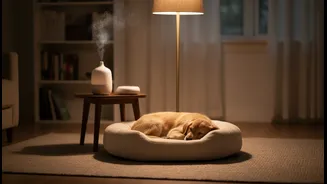
Several products are designed specifically to ease pet anxiety. Compression wraps, such as the popular Thundershirt, apply gentle, constant pressure to your pet’s torso. For many dogs and cats, this sensation is incredibly calming, similar to swaddling an infant. Pheromone diffusers, sprays, or collars (like Adaptil for dogs) release synthetic pheromones that mimic the calming signals a mother animal sends to her young. These aids can be used in combination with other strategies to provide an extra layer of comfort during stressful monsoon nights.
When to Consult Your Veterinarian
If your pet's phobia is severe—leading to self-injury, extreme panic, or if it seems to be getting worse each year—it's time to seek professional help. A veterinarian can assess the severity of the anxiety and rule out any other medical issues. They may recommend a long-term plan involving behaviour modification techniques like desensitisation, which involves gradually exposing your pet to storm sounds at a very low volume and rewarding calmness. In some cases, your vet may prescribe safe, short-acting anti-anxiety medication to be given before a storm hits, helping your pet get through the event without intense panic.