






The Post-Pandemic Fitness Floor
Remember the lockdowns? Confined to our homes, we had two choices: become one with the sofa or find a way to move. For millions of young people across India, this period wasn't just a temporary disruption; it was a fundamental rewiring of their relationship
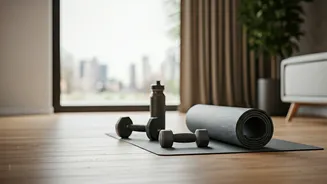
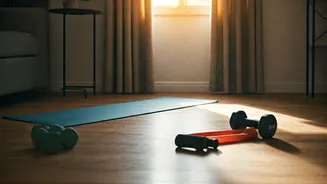
with exercise. The pandemic acted as a powerful catalyst, forcing a generation to discover the convenience and accessibility of at-home fitness. What started as a necessity—following along with a YouTube yoga instructor or a fitness app—has since blossomed into a preference. The habits formed during those months of isolation have proven surprisingly sticky, reshaping the landscape of the country's multi-billion dollar fitness industry.
Convenience, Cost, and Comfort
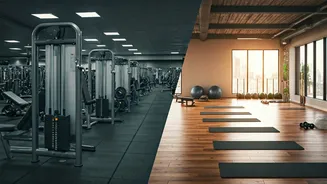
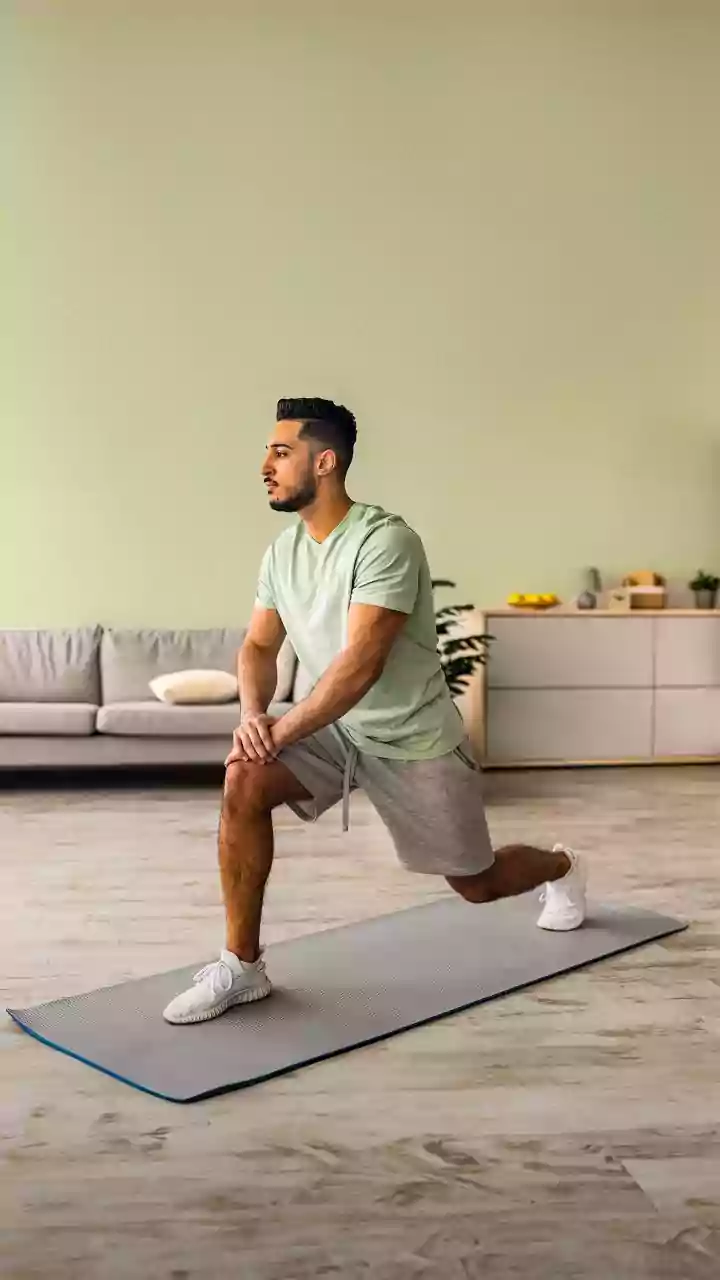
The appeal of home workouts for a time-crunched, budget-conscious generation is undeniable. First, there's the sheer convenience. Squeezing in a 30-minute HIIT session between online classes or before a late work shift is far more manageable without the added time of commuting to a gym. There are no opening hours, no waiting for equipment, and no travel costs. Secondly, the economics are compelling. A premium gym membership in a metro city can be a significant financial commitment. In contrast, a vast library of high-quality workout content is available for free on platforms like YouTube, with many fitness apps offering affordable subscription models. Finally, there's the comfort factor. The gym can be an intimidating space, especially for beginners. The fear of being judged—a phenomenon dubbed 'gymtimidation'—is real. The privacy of one's own home removes this social pressure, allowing individuals to focus on their movements and build confidence at their own pace.
The Influencer-as-Trainer Effect
Today's personal trainer might not be someone you meet in person, but someone you follow on Instagram. Fitness influencers have emerged as the charismatic, relatable, and constantly accessible guides for India's youth. Creators like Gaurav Taneja (Flying Beast), BeerBiceps, and numerous others have built massive followings by offering not just workout routines but also motivation, nutrition tips, and a sense of community. This digital-first relationship feels more personal and less transactional than a traditional trainer-client dynamic. Followers feel like they 'know' their favourite influencer, creating a powerful bond of trust and loyalty. These creators have democratised fitness knowledge, breaking down complex exercises into easy-to-follow videos and making fitness feel like an achievable, enjoyable part of a modern lifestyle.
Beyond Basic Push-Ups
The stereotype of home workouts being limited to a few simple push-ups and sit-ups is long outdated. The digital fitness world offers a staggering variety of options catering to every taste and fitness level. High-Intensity Interval Training (HIIT) is incredibly popular for its efficiency, delivering a powerful cardio and strength workout in under 30 minutes. Yoga and Pilates have seen a huge surge, promoted for both physical flexibility and mental well-being. Dance fitness, from Zumba to Bhangra-based cardio, turns exercise into a joyful, music-filled activity. Bodyweight strength training, which requires no equipment, has also become a go-to for building functional strength. This diversity ensures that boredom, a common reason people quit exercising, is kept at bay.
The Risks of DIY Fitness
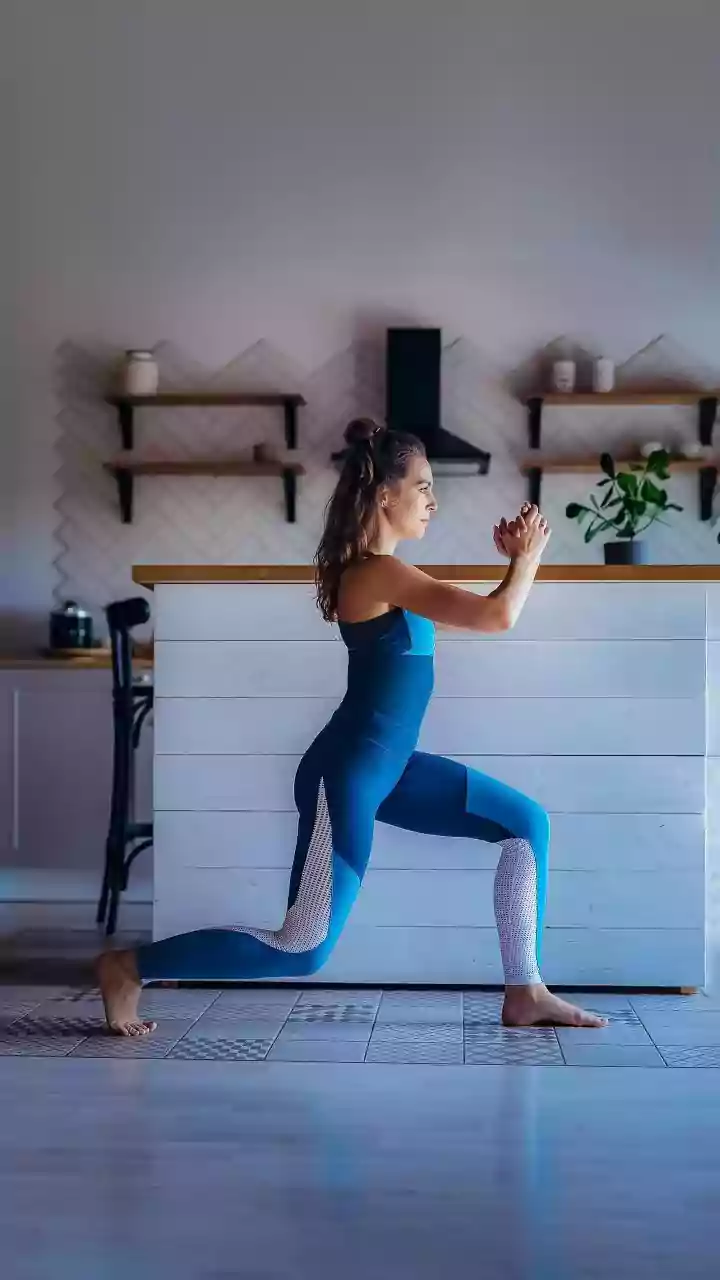
While the rise of home workouts is largely a positive trend, it's not without its drawbacks. The most significant risk is injury. Without a qualified trainer present to correct poor form, it's easy to perform exercises incorrectly, leading to strains, sprains, or more serious issues. A screen can't provide the real-time feedback that an in-person expert can. Furthermore, while some find solace in working out alone, others may experience a lack of motivation or a sense of isolation. The community and accountability found in a group class or gym environment can be a powerful driver, and this is often missing from the solo home workout experience. Progress can also stagnate without access to heavier weights or specialised machinery needed for progressive overload.