








The Billion-Rupee Promise
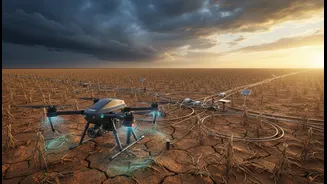
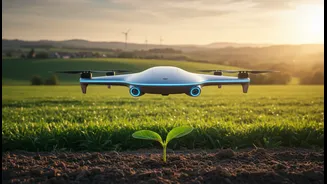
On paper, the fusion of artificial intelligence and agriculture sounds like a perfect solution to some of India's most pressing challenges. Startups and tech giants paint a compelling picture of a data-driven farming future. Imagine drones that can spot
pests from the air, AI algorithms that predict the perfect time to plant and harvest, and automated systems that apply the precise amount of water and fertilizer needed, down to the last drop. This is the world of 'precision agriculture,' promising to increase efficiency, reduce waste, and secure the livelihoods of millions. The vision is one of transforming an ancient practice, often at the mercy of unpredictable weather and market fluctuations, into a highly optimized, predictable, and profitable enterprise. It is a powerful narrative that has attracted billions in venture capital, with investors eager to back the next big disruption.
Where The Tech Fails The Farmer
Despite the hype, the adoption of these advanced tools on the ground remains frustratingly low. Many agritech startups in India have faced a harsh reality check, with a significant number folding after burning through investor cash. The core issue is a fundamental disconnect. Technology designed in a lab or a boardroom often fails when it meets the complex, muddy reality of a farm. A key problem is cost. Most Indian farmers are smallholders, operating on thin margins with fragmented land. The high upfront investment for AI-powered equipment and subscription-based software is simply out of reach, especially when the return on investment isn't guaranteed. Farmers report that many apps and tools are not user-friendly, require a level of digital literacy they don't possess, or depend on reliable rural internet that doesn't exist.
Silicon Valley vs. The Soil
Many failed ventures share a common mistake: trying to impose a one-size-fits-all tech solution on the incredibly diverse and localized world of agriculture. The venture capital model, which demands rapid, scalable growth, is often at odds with the slower, season-bound rhythm of farming. Startups, under pressure to grow, have tried to eliminate middlemen, only to discover these intermediaries provide crucial services like financing and logistics that farmers rely on. Furthermore, AI models are only as good as the data they are trained on. An algorithm trained on data from large, uniform farms in the American Midwest is of little use to a farmer in Maharashtra managing a small, multi-cropped plot with unique soil and weather conditions. This lack of localized, high-quality data is a major stumbling block to creating AI that is genuinely intelligent about Indian agriculture.
Building AI That Actually Works
For AI to fulfill its potential, the industry needs to shift its focus from selling products to solving problems. Better AI in agriculture won't come from a more convincing pitch deck, but from a deeper understanding of the farmer's world. This means creating affordable, accessible tools that address specific, local needs. Instead of complex platforms, it might be a simple, voice-operated app that provides hyper-local weather alerts and market price information in a regional language. It involves co-creating technology with farmers, integrating their generational knowledge and experience rather than dismissing it. Success will not be measured by the number of app downloads, but by the tangible impact on a farmer’s yield, income, and quality of life. The focus must be on building trust through solutions that are reliable, easy to use, and demonstrate clear value.