



More Than Just the Heat
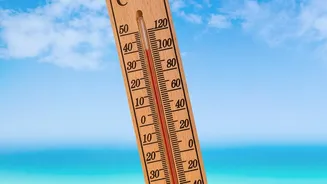
For India's dairy animals, the danger isn't just the temperature on the thermometer; it's the combination of heat and moisture in the air. This relationship is measured by the Temperature-Humidity Index (THI). High humidity prevents cattle from cooling
themselves effectively through sweating and panting. When the THI value surpasses 72, dairy cows begin to experience 'heat stress'. In many parts of India, especially during the summer and monsoon seasons, the THI frequently exceeds this critical threshold, turning the climate into a direct threat to animal welfare and productivity. This is particularly true for high-yielding crossbred cattle, which generate more metabolic heat and are less adapted to such conditions than indigenous breeds.
A Cow Under Pressure
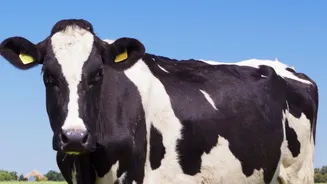
Heat stress has a cascade of negative effects on dairy cattle. The first and most immediate response is a reduction in feed intake; animals under stress simply eat less. This leads directly to lower milk production, with studies noting drops of up to 30% during periods of high THI. Beyond quantity, the quality of milk also suffers, with a decrease in fat and protein content that lowers its market value. The stress also weakens the animals' immune systems, making them more susceptible to diseases like mastitis. Furthermore, it severely impacts reproductive health, leading to lower fertility rates and disrupting breeding cycles, which has long-term consequences for the herd.
The Crores at Stake
The physiological impact on cattle translates into staggering economic losses for farmers and the nation. With the dairy industry being a primary source of income for millions of rural households, any drop in milk yield directly affects their livelihood. Several studies have attempted to quantify this loss, with estimates running into thousands of crores annually. One recent study highlighted that heat-related stress already causes an annual loss of 3.2 million tonnes of milk, valued at over ₹2,600 crore. Projections are even more alarming, suggesting that without significant adaptation measures, these losses could increase dramatically as climate change intensifies, potentially reaching 15 million tonnes by the 2050s.
A Race to Adapt
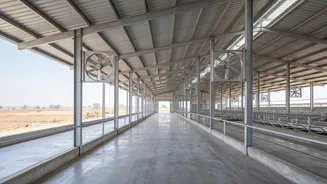
The Indian dairy sector is in a race against time to adapt to this new reality. The solutions are multi-faceted, ranging from immediate on-farm changes to long-term strategic shifts. Farmers are being encouraged to implement simple but effective measures like providing adequate shade, installing sprinklers and misting systems to cool animals, and ensuring a constant supply of clean water. Nutritional strategies, such as altering feeding schedules to cooler parts of the day and using specific feed additives, can also help mitigate stress. In the long run, the focus is on systemic changes, including promoting heat-tolerant indigenous breeds and investing in climate-resilient infrastructure. Government schemes and private sector investment are crucial to making these adaptation technologies affordable and accessible to the millions of smallholder farmers who form the backbone of the industry.