






Meet Barnyard Millet: The Humble Powerhouse
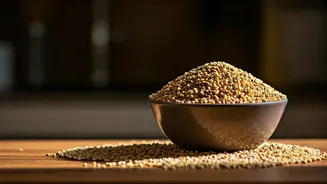
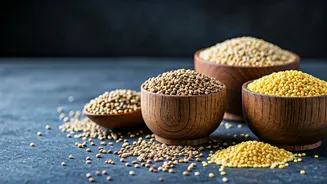
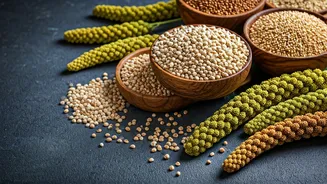
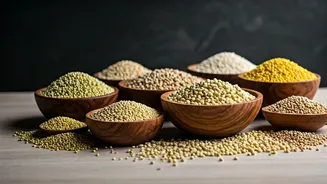
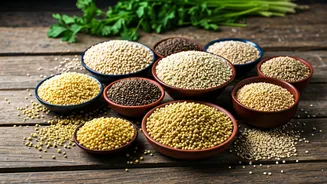
Barnyard millet, known by various local names like kuthiravali in Tamil, oodalu in Kannada, and sanwa in Hindi, is a tiny but mighty grain that has been part of Indian agriculture for centuries. [3, 17] This ancient grain is naturally gluten-free and celebrated
for its resilience, as it can grow in harsh conditions where other crops might fail. [17] Though it may seem like a new trend, barnyard millet is actually a rediscovery of a traditional food source that offers a wealth of benefits. [3] Its small, quick-cooking grains have a neutral, slightly nutty flavour, making them incredibly versatile in the kitchen. [2, 5]
The Nutritional Edge Over White Rice
When it comes to nutrition, barnyard millet significantly outperforms polished white rice. The most notable difference is its low glycemic index (GI), which is around 41, compared to white rice's high GI of over 70. [10, 20] This means barnyard millet releases sugar into the bloodstream much more slowly, making it an excellent choice for managing blood sugar levels and for those with diabetes. [1, 5, 11] It is also packed with dietary fibre, containing many times more than white rice. [6] This high fibre content aids digestion, prevents constipation, and keeps you feeling full longer, which can support weight management. [1, 4] Furthermore, it is a richer source of essential minerals like iron, magnesium, and calcium, which are crucial for preventing anaemia, supporting bone health, and maintaining overall metabolic function. [1, 3, 6]
Why It's Perfect for Curd Rice
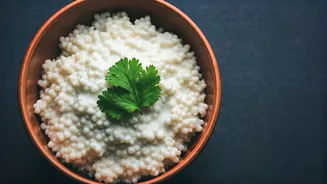
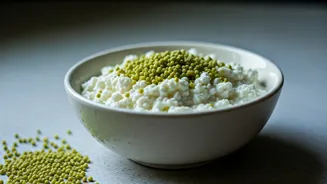
The true test of any substitute is how well it performs in the final dish. Here, barnyard millet excels. When cooked, its small grains become soft and slightly sticky, creating a texture that is ideal for a creamy curd rice. [7] Many find that it mimics the consistency of well-mashed rice perfectly. It absorbs the flavours of the curd and the tempering beautifully, ensuring every spoonful is as comforting and delicious as the original. Unlike some other millets that have a strong flavour, barnyard millet’s mild taste does not overpower the dish. It simply enhances the nutritional profile while letting the classic taste of thayir sadam shine through. [20]
How to Make the Switch: A Simple Guide
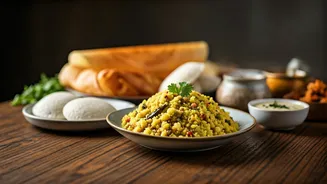
Making millet curd rice is just as easy as making it with rice. Start by rinsing half a cup of barnyard millet. You can pressure cook it with about one to one-and-a-half cups of water for two to three whistles, or cook it in an open pot until it's soft and mushy. [7, 8] It’s important to let the cooked millet cool down completely before mixing in the curd; this prevents the curd from splitting. [7] Once at room temperature, gently mash the cooked millet, then fold in your curd, a splash of milk for creaminess, and salt. [8] Prepare a traditional tadka by heating a little oil or ghee and sputtering mustard seeds, cumin seeds, urad dal, curry leaves, and a pinch of asafoetida. [13] You can also add chopped green chillies and ginger for extra zing. Pour this tempering over the millet and curd mixture, garnish with fresh coriander, and your wholesome, upgraded curd rice is ready to be enjoyed.
Tips for a Smooth Transition
If you're new to millets, the switch can be gradual. You could start by mixing a small amount of cooked barnyard millet into your regular rice-based curd rice. Another approach is to dedicate one or two meals a week to millet-based dishes to allow your palate and digestive system to adjust. The mild flavour of barnyard millet makes it one of the easiest millets to start with. [20] To enhance your millet curd rice, consider adding grated carrots or cucumber for crunch, or pomegranate seeds for a sweet and tangy burst of flavour, just as you would with traditional curd rice. [7, 15] This not only adds texture and taste but also boosts the dish's nutritional value even further.