






More Than Just a Hobby
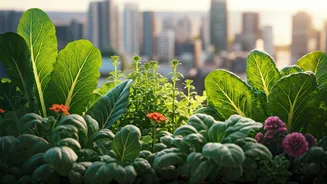
For years, keeping a few potted plants was a simple decorative choice. Today, a growing number of city dwellers across Mumbai, Bengaluru, Delhi, and Pune are transforming their limited spaces into productive green havens. This isn't just about aesthetics
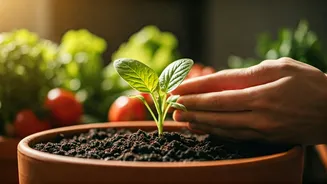
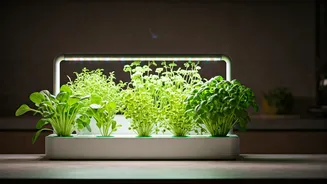
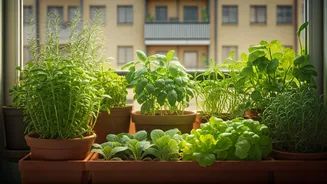
anymore; it's a conscious lifestyle shift. The move is from passive plant ownership to active food cultivation, driven by a desire for a deeper connection with what we consume. It represents a subtle rebellion against shrink-wrapped vegetables and the anonymity of the urban food chain. People are starting with simple herbs like mint and coriander, and quickly graduating to tomatoes, chillies, and leafy greens, finding immense satisfaction in nurturing something from seed to plate.
A Remedy for a Restless Mind
The hustle of urban life takes a toll on our mental well-being. The constant noise, digital overload, and shrinking personal space create a low-grade, persistent stress. Urban gardening offers a powerful antidote. The simple act of tending to plants—watering, pruning, checking for new growth—is a form of active meditation. It pulls us into the present moment, away from screens and deadlines. Studies and anecdotal evidence alike point to gardening's ability to reduce anxiety and symptoms of depression. For many, their small patch of green is not just a garden; it's a sanctuary, a quiet corner where they can breathe, decompress, and reconnect with the calming rhythms of nature.
The New Neighbourhood Chowk
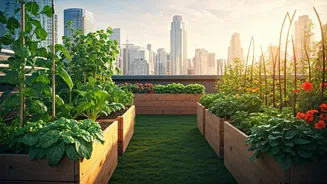
In the vertical living of modern apartment complexes, neighbours can remain strangers for years. Urban gardening is changing that, one terrace at a time. Community gardens, whether on shared rooftops or in designated society plots, are becoming the new social hubs. They are modern-day equivalents of the village square or neighbourhood 'chowk'. Here, residents don't just exchange gardening tips; they share stories, celebrate harvests, and build bonds that transcend apartment doors. Children learn where food comes from, and elders share traditional gardening wisdom. This fosters a sense of collective ownership and belonging that is often missing in fragmented urban communities, turning a sterile residential complex into a vibrant, interconnected neighbourhood.
From Pot to Plate
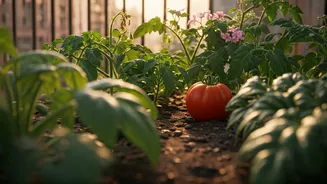
The difference in taste between a store-bought tomato and one picked fresh from the vine is a revelation. Urban gardening is revolutionising the Indian kitchen, empowering home cooks with the freshest possible ingredients. Plucking a few sprigs of basil for a pasta sauce or fresh curry leaves for a dal elevates the simple act of cooking into a farm-to-table experience. This direct link to food fosters a greater appreciation for seasonality and reduces food waste. Knowing the effort that goes into growing a single brinjal makes you less likely to let it spoil. This trend is also reviving interest in local and heirloom vegetable varieties that are often absent from commercial supermarket shelves, adding diversity and nutrition to our diets.
The Green-Thumbed Challenge
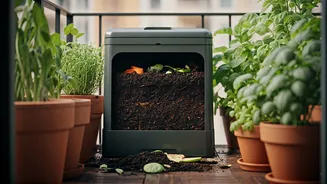
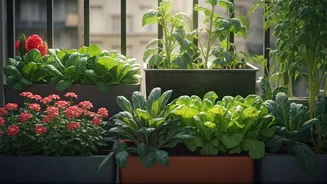
Of course, creating a garden in the city is not without its challenges. Space is the most obvious constraint, demanding clever solutions like vertical planters and railing pots. Pests, unpredictable weather, and the steep learning curve for first-time gardeners can be discouraging. However, for most enthusiasts, these are not deal-breakers but part of the journey. The Indian spirit of 'jugaad' comes alive as people devise ingenious ways to water plants or create compost from kitchen scraps. Online communities, workshops, and a growing number of urban gardening startups are providing the knowledge and resources needed to overcome these hurdles. The struggle, in many ways, makes the final harvest even sweeter.