






Beyond Bollywood's Shadow
For decades, the path to musical stardom in India ran almost exclusively through the film industry, with playback singing dominating the charts. Today, that paradigm is being challenged. A surge of independent artists is building massive followings outside
the cinematic universe. Thanks to music streaming platforms, artists creating music on their own terms are finding huge audiences. In 2025, half of the year-end top 10 tracks on Spotify India were from outside film soundtracks, a clear sign that listeners are embracing artist-first music. This has empowered a new generation of musicians to build careers based on their unique sounds, from singer-songwriters like Anuv Jain to hip-hop acts like Seedhe Maut.
The Festival Effect
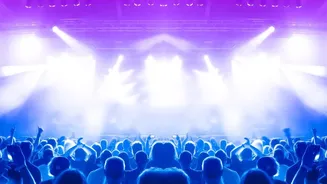
The rise of large-scale music festivals has been a major catalyst in this cultural shift. Events like Lollapalooza India, NH7 Weekender, and Ziro Festival have become cultural milestones, exposing audiences to a diverse range of genres beyond mainstream film music. These festivals are not just about entertainment; they are powerful platforms for discovery, where fans might come for an international headliner but leave as fans of a local indie or metal band. This has created a virtuous cycle: festivals build audiences for new genres, which in turn fuels demand for more diverse live acts. Promoters have noted that audiences are now buying into the entire festival experience, not just specific genres, making live events a form of social currency. People plan trips around them, boosting local economies through tourism, hospitality, and transport.
From Digital Streams to Live Dreams
The explosion in music streaming is directly fueling the live music boom. Platforms like Spotify, YouTube, and JioSaavn have democratized music discovery, allowing listeners to explore a vast universe of music, including regional and independent artists. This digital engagement creates a powerful desire for real-world experiences. Streaming has become an essential tool for artists to build and engage with their fanbase, which translates directly into concert attendance and merchandise sales. As fans form deeper connections with artists online, they are increasingly willing to pay for the immersive, communal experience of a live show. This symbiotic relationship has transformed the industry from being purely album-driven to being an experience-driven business.
A New Geography of Music
The live music scene is no longer confined to the metros of Mumbai and Delhi. A significant part of the growth is happening in Tier-2 and Tier-3 cities. This expansion is driven by a young population with rising disposable incomes and a hunger for new entertainment options. The growth of regional language music on streaming platforms is also a key factor. Royalties for Telugu music, for instance, grew over 120% in 2025, with Marathi and Bengali music also seeing significant gains. This proves that artists no longer need to move to a major hub or sing in Hindi to find a large audience. As a result, promoters are increasingly organizing shows and festivals in smaller cities, bringing live music to new audiences across the country.
Growing Pains and Future Hurdles
Despite the explosive growth, the industry faces significant challenges. The most critical is a lack of adequate infrastructure. India has very few purpose-built, large-scale concert venues, forcing promoters to build temporary setups on sports grounds or open plots, which drives up costs and can lead to a poor fan experience. These infrastructure gaps, from parking to sanitation, are a major hurdle, especially as events grow in scale. Additionally, complex licensing procedures, irregular payments, and a largely unorganized booking ecosystem present ongoing difficulties for artists and organizers. For India to transform its concert boom into a sustainable entertainment economy, addressing these foundational issues will be crucial.