





The Treachery of Twisting Roads
Driving through the ghats during monsoon can feel like a gamble against nature. The lush green beauty is undeniable, but it masks a host of dangers that every driver is acutely aware of. Roads become slick with rain and oil slicks, visibility drops to
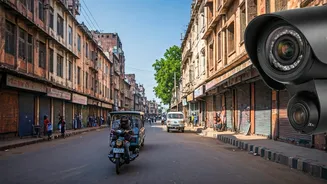
near zero in heavy downpours, and the constant fear of a landslide looms over every blind curve. This isn't just paranoia. Every year, key routes like the Mumbai-Pune Expressway and highways through the Western Ghats and Himalayas are plagued by closures. Just this week, heavy rains triggered a major landslide on the Mumbai-Pune Expressway, forcing its complete closure and bringing traffic to a standstill for hours. Beyond the risk of landslides, road travel involves navigating the chaotic reality of other drivers, heavy traffic snarls, and the isolation of being stuck in your vehicle miles from assistance. On a wet, foggy mountain road, every car feels like an island, individually responsible for its own safety.
The Promise of the Parallel Tracks
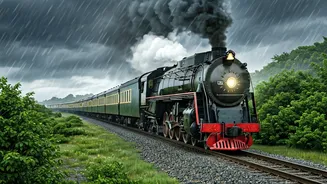
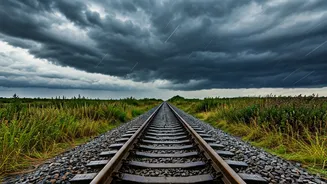
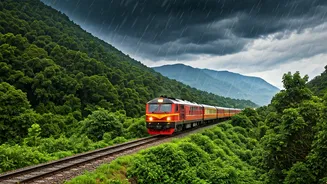
In stark contrast, boarding a train feels like handing over your worries to a larger, more powerful entity. This feeling isn't baseless; it's built on a foundation of extensive, institutionalised safety protocols. Indian Railways, and especially divisions like the Konkan Railway that traverse challenging terrains, implement a special Monsoon Timetable from June to October. This involves a slew of precautionary measures designed to mitigate risks. Trains run at reduced speeds in vulnerable sections, which may add an hour or two to the journey but significantly enhances safety. Loco pilots are under strict instructions to slow down to 40 km/h in heavy rain and suspend services entirely if water levels on the tracks get too high. This proactive approach transforms the journey from an individual risk into a managed, collective experience.
A System of Safeguards
The feeling of safety on a train is reinforced by the visible and invisible systems at work. Before the first showers, railways undertake extensive pre-monsoon checks, cleaning drains and reinforcing slopes. During the monsoon, hundreds of patrolmen are deployed to walk the tracks 24/7, specifically monitoring identified vulnerable locations for any signs of trouble like soil erosion or blockages. These personnel are equipped with advanced communication tools to provide real-time updates to control rooms. Furthermore, Accident Relief Trains and medical vans are kept on standby, ready to be mobilised at a moment's notice. When you're in a train coach, you're not just in a vehicle; you're in a moving, monitored, and protected corridor. This systemic approach is a world away from the personal vigilance required to navigate a ghat road.
When Nature Disrupts All Plans
However, the sense of absolute safety can be a comforting illusion. While railways have robust systems, they are not invincible against the full fury of the monsoon. The very same weather events that close highways can also impact rail lines. In a potent reminder of this, recent heavy rains also triggered multiple landslides in the Bhor Ghat section, crippling the busy Mumbai-Pune rail corridor. This forced Central Railway to cancel or divert numerous long-distance trains, leaving passengers stranded. Waterlogging on tracks, signal failures, and washouts are real and recurring problems that can lead to long delays and cancellations, even if direct danger to passengers is minimised. The train might be safer from a personal-injury standpoint, but it is just as susceptible to the monsoon's power to disrupt.
So, Is the Feeling Justified?
Ultimately, the feeling that a train is safer than a car in the ghats is largely justified, but with an important caveat. It's not about one being completely safe and the other being deadly; it's about a different profile of risk. On the road, the risks are immediate, personal, and potentially catastrophic—a landslide, a head-on collision, skidding off the road. In a train, the risk is managed, systemic, and more often translates to inconvenience—delays, diversions, and cancellations. The railways' proactive measures create a powerful buffer against disaster, which is why catastrophic rail incidents during the monsoon are rare. You are trading the acute, personal risk of driving for the more passive, systemic risk of delay. For most travellers, that's a trade worth making. The feeling of safety comes from knowing you are part of a system designed to anticipate and absorb the dangers, rather than facing them alone.