



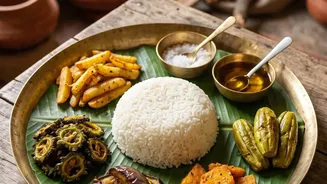
A quiet revolution is taking place in India’s urban pantries. Ketchup and chilli-garlic sauce are making way for a vibrant array of traditional condiments that speak of region, craft, and flavour that can't be mass-produced.
The Return to Regional Flavours
For years, the Indian condiment
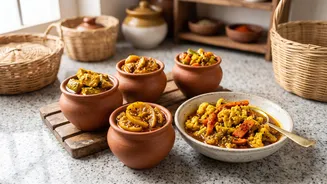
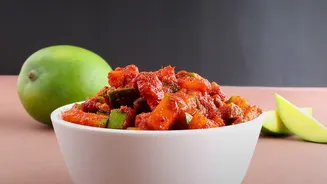
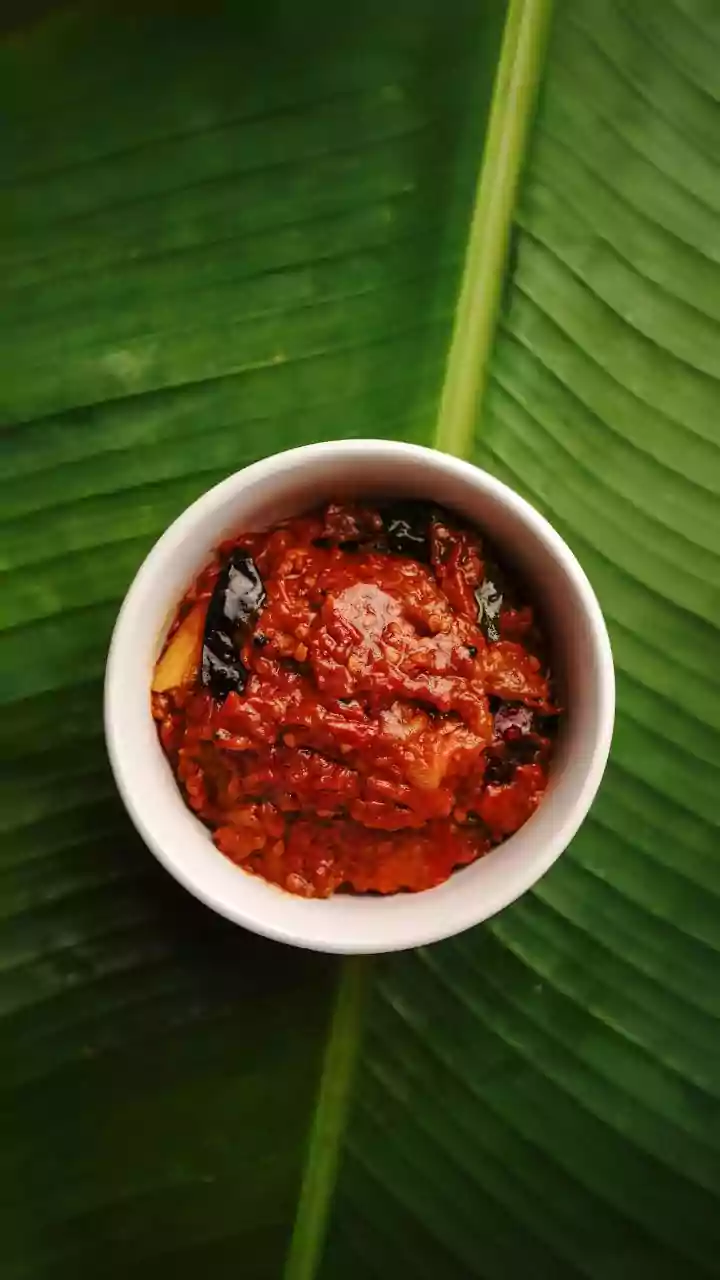
shelf was predictable, dominated by a handful of multinational brands offering standardised tastes. Now, a flavourful rebellion is underway. Urban consumers are increasingly reaching for condiments that tell a story of place and tradition. Think of the sharp, fermented punch of Bengali kasundi, the fiery garlic kick of Maharashtrian thecha, or the earthy sourness of Andhra's gongura pachadi. These aren't just sauces; they are edible history, bringing the immense diversity of India's regional cuisines out of home kitchens and onto the daily table. This shift is driven by a desire to elevate everyday meals—a simple dal-rice, a sandwich, or even a bowl of noodles—with complex, authentic flavours.
A Quest for Wellness and Clean Labels
More than just a search for exciting tastes, this trend is deeply connected to a growing health consciousness. Consumers are increasingly wary of the high sugar, sodium, and preservative content in many mass-produced sauces. Heritage condiments, by contrast, are often made with natural ingredients and traditional preservation methods like sun-drying and fermentation, which can offer health benefits. Fermented pickles and chutneys can be a source of probiotics that aid gut health, while the spices used—like turmeric, ginger, and garlic—are known for their anti-inflammatory and digestive properties. As people connect wellness with what they eat, these clean-label, 'closer-to-source' options have become far more appealing.
Small Brands and the Power of Digital
This movement is being championed by a new wave of small-batch, artisanal food entrepreneurs. There are now over 70 D2C (Direct-to-Consumer) startups in India focused on sauces, pickles, and condiments. Leveraging platforms like Instagram and quick commerce apps, these brands are making once-niche regional products accessible to a national audience. They are reviving forgotten family recipes and showcasing unique regional ingredients, from Naga ghost peppers to sour sorrel leaves. Brands like JhaJi Store, Spice Story, and Naagin have built loyal followings by offering authentic tastes with modern, convenient packaging. This digital_first approach allows them to tell their story, connect directly with customers, and compete with established giants.
Redefining How We Use Condiments
The true magic of this trend lies in its versatility. These heritage condiments are breaking free from their traditional pairings and finding new life in modern, globalised kitchens. Home cooks and chefs are experimenting with using Maharashtrian thecha on toast, Bengali kasundi as a dip for fries, and South Indian 'podi' powders to season avocado toast and salads. This creative integration shows that the trend isn't about rigid tradition but about incorporating complex Indian flavours into contemporary eating habits. It's a sign of a confident culinary identity, where local tastes are not just preserved but celebrated and adapted for a new generation.