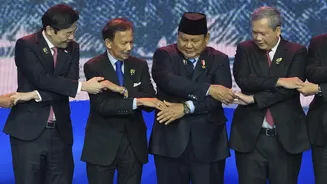








After marathon negotiations that ran a record 44 hours into overtime, the COP31 climate summit in Antalya, Turkey, has ended in bitter disappointment. Nearly 200 nations failed to agree on a final political declaration, a major setback for global climate action.
Why the Talks Collapsed
The immediate cause for the collapse was a deep and unbridgeable divide over the future of fossil fuels. A draft agreement, known as the 'Antalya Pact', was presented by the Turkish and Australian co-presidency. However, in a major concession to oil-producing nations like Saudi Arabia, the text contained no direct mention of 'fossil fuels', 'oil', 'coal', or a 'phase-out'. This omission was deemed unacceptable by a coalition of nations, including the European Union and several climate-vulnerable island states, who argued that an agreement that fails to name the primary driver of climate change is not a credible solution. The EU, UK, Norway, and Panama, among others, formally rejected the text, preventing the consensus required for adoption.
The Great Finance Divide
Beyond fossil fuels, the other major sticking point was climate finance. Developing nations came to Antalya demanding a clear plan from wealthy countries on how they would deliver long-promised financial support for climate adaptation and transition. A specific target to provide at least $120 billion annually for adaptation was removed from the final draft, angering the African Group and other developing countries. They argued that developed nations are demanding stringent decarbonisation plans while failing to provide the necessary public funds, a situation that has eroded trust. Public pledges for climate finance from developed countries reportedly fell by over 70% in 2026, further straining the negotiations.
India's Stand for Climate Justice
Throughout the summit, India forcefully argued for equity and 'climate justice'. The Indian delegation, led by Environment Minister Bhupender Yadav, insisted that negotiations must be guided by the principle of Common but Differentiated Responsibilities (CBDR-RC), acknowledging the historical emissions of developed nations. India's position was clear: the Global South cannot be forced to sacrifice its development rights and poverty reduction goals to pay for a crisis it did not create. New Delhi also opposed unilateral trade measures like the EU's carbon border tax, arguing they unfairly penalise developing economies. While India did not formally object to the final text, it expressed disappointment at the overall failure, which left many demands from developing countries unmet.
Controversial 'Solutions' and Lobbying
The controversial role of Carbon Capture, Utilisation, and Storage (CCUS) technologies also contributed to the deadlock. The draft text promoted the deployment of gigatonne-scale carbon capture by 2035, a position strongly advocated by petrostates. Critics and many delegations argued this was a 'greenwashing' tactic, offering a license to continue polluting while relying on an expensive and unproven technology. The significant presence of over 700 lobbyists linked to the CCUS industry at the summit raised concerns among civil society groups about their influence on the negotiations.
What Happens Now?
The failure to adopt a final pact in Antalya, the first such collapse since the 2009 Copenhagen summit, is a significant blow to multilateral climate efforts. UN Secretary-General António Guterres called the outcome 'deeply disappointing'. While the collapse does not invalidate previous commitments like the Paris Agreement, it signals a dangerous lack of unity at a time when scientists say action must accelerate. The focus now shifts to repairing trust and finding a way forward before the next summit, COP32, which is scheduled to be held in Addis Ababa, Ethiopia. The failure has also sparked calls to reform the UN's consensus-based decision-making process, which allows a few countries to block progress for the many.