







The End of the Annual Holiday
For decades, the Indian holiday followed a familiar pattern: save for months, plan extensively, and take one big trip a year. Gen Z has completely rewritten this script. Recent reports show a massive shift in travel habits, with seven in ten young Indian travellers
preferring to take three shorter trips over one long annual holiday. This move towards 'micro-cations'—quick getaways lasting just one to three days—isn't just a fleeting trend; it’s a lifestyle. Trips lasting two to six nights have become the fastest-growing format for domestic travel among this demographic. This generation sees travel less as a rare, planned event and more as a regular, reflexive response to a long weekend, a bit of stress, or a friend’s simple suggestion of 'let's go'.
Driven by Spontaneity and Self-Expression
So, what’s fuelling this change? It's a mix of emotional and practical reasons. For many, these short trips are a crucial escape from academic pressure or work burnout. In fact, breaking away from stress is the top trigger for planning a trip for 43% of Gen Z. Unlike previous generations who might have focused on ticking off famous landmarks, this cohort travels with purpose, or what some are calling 'why-cations'. The destination is often secondary to the experience itself, whether that’s for relaxation, adventure, or culinary exploration. Travel has become a profound act of self-expression, with nearly 87% stating that how they travel reflects who they are as a person. This is why 95% desire trips that feel personal and unique, often deliberately avoiding a rigid itinerary to make room for spontaneous discovery.
The Instagram Effect and Digital Planning
It's impossible to discuss Gen Z without mentioning the influence of social media. Platforms like Instagram and YouTube are primary sources of travel inspiration. Visually compelling Reels of hidden waterfalls or unique homestays can spark instant travel plans. However, this generation is also wary of viral hype. Data shows that 90% actively seek out destinations that are not widely recommended online, preferring hidden gems over crowded tourist traps. Technology also enables this spontaneity. Young travellers are adept at using apps to find last-minute deals on flights, buses, and stays. With booking windows shrinking to just days or weeks before a trip, the entire process has become more fluid and immediate.
Budget-Conscious but Experience-Rich
While they crave experiences, Gen Z is also a budget-conscious generation. Shorter, more frequent trips are often more affordable than one extravagant annual holiday. They are savvy about stretching their money, with many willing to opt for budget stays or shorter trip durations to make travel possible. This has led to a boom in travel to offbeat destinations that offer affordable accommodation and local food. Homestays and shared homes are also popular, not just for cost savings but for the communal experience they offer, as three in four young travellers say who they travel with matters more than where they go. This mindset proves that a fulfilling travel experience doesn’t have to come with a hefty price tag.
Top Spots for a Quick Escape
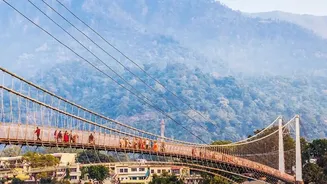
The destinations popular for these short getaways reflect a desire for nature, culture, and relaxation. Rather than big cities, Gen Z is flocking to places like Wayanad, Dehradun, and Nainital for their natural beauty and slower pace. Coastal towns like Pondicherry and Gokarna are popular for their accessibility and affordability, especially for those in nearby cities like Chennai and Bengaluru. For those in the north, hill stations like Mussoorie and spiritual hubs like Rishikesh are top choices for a quick weekend reset. This trend also extends to a rising interest in spiritual tourism, with routes to places like Tirupati and Ujjain seeing strong traction among young travellers seeking both connection and culture.