






Meet Your Gut’s Best Friend: Fermentable Fiber
First, let's clarify what we mean by fermentable fiber. Unlike other types of fiber that simply add bulk, fermentable fibers are special plant-based carbohydrates that your body can't digest on its own. Instead, they travel down to your large intestine,
where they become a feast for the trillions of beneficial bacteria living there. These fibers are also known as 'prebiotics' because they feed your friendly gut microbes. Think of them as the fertiliser for your internal garden, helping the good bacteria to thrive. This process is crucial, as a healthy and diverse community of gut bacteria is the foundation for overall health.
The Gut-Brain Superhighway Explained
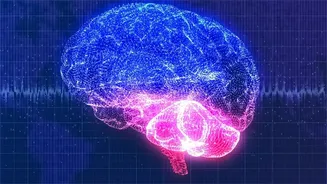
The gut and brain are in constant communication through a complex network known as the gut-brain axis. This bidirectional superhighway involves the nervous system, hormones, and the immune system, allowing your gut to send signals that influence your mood, stress levels, and cognitive function. It's why you might feel 'butterflies' in your stomach when you're nervous or why stress can lead to digestive issues. Researchers are increasingly finding that the health of your gut microbiota plays a massive role in this conversation. A balanced gut ecosystem helps ensure the messages sent to the brain are positive, while an imbalance can contribute to issues like anxiety and brain fog.
From Fiber to Focus: The Science of SCFAs
So, how does eating fiber translate into better focus? When your gut bacteria ferment these special fibers, they produce powerful compounds called short-chain fatty acids (SCFAs), with butyrate, propionate, and acetate being the most important. These SCFAs are the real heroes of our story. Butyrate, in particular, is a star player. It serves as the primary energy source for the cells lining your colon, strengthening the gut barrier to prevent harmful substances from leaking into your bloodstream. But its benefits don't stop there. SCFAs can travel through the bloodstream to the brain. Once there, they have several profound effects: they can reduce inflammation, support the production of crucial mood-regulating neurotransmitters like serotonin and dopamine, and even promote the growth of new brain cells by increasing a factor called BDNF (brain-derived neurotrophic factor). This combination of reduced inflammation and enhanced brain cell function directly contributes to better memory, learning, and mental clarity.
Your Fermentable Fiber Shopping List
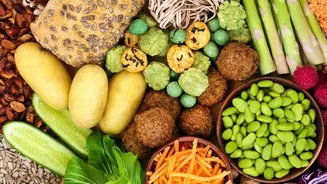
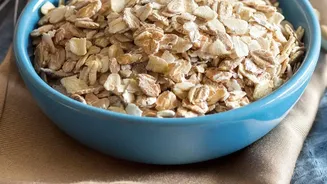
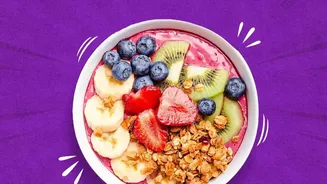
The good news is that you don't need expensive supplements to get these benefits. Many foods, especially those common in traditional Indian diets, are packed with fermentable fiber. Incorporating a variety of these into your meals is the best strategy. Look for things like lentils (dals), chickpeas, and beans, which are staples for a reason. Onions and garlic, the base of so many Indian dishes, are also excellent prebiotic sources. Other great options include whole grains like oats, barley, and jowar, slightly unripe bananas (which are high in resistant starch), apples (with the skin on), and flaxseeds (alsi). Even cooked and then cooled rice or potatoes develop resistant starch, another type of fermentable fiber that your gut loves.