






The Heartbeat of July: Bonalu
July in Hyderabad is synonymous with Bonalu, the vibrant and deeply significant state festival of Telangana. The name, derived from the Telugu word 'Bonam' meaning a meal, is a thanksgiving offering to the Goddess Mahakali. It is celebrated across the Hindu
month of Ashada, which in 2026, sees major festivities falling on the Sundays of July and early August. The festival’s origins are traced back to 1813, when a devastating plague hit the twin cities. A military battalion stationed in Ujjain prayed to the Mahakali temple there, vowing to build a temple in Secunderabad if the plague ended. It did, and the tradition of thanking the Goddess has since transformed into a month-long cultural spectacle that defines the city's identity.
Filter Your Plans: The Four Sundays
The core of Bonalu unfolds over four consecutive Sundays, each with a distinct geographical focus. For 2026, these are July 19, July 26, August 2, and August 9. The celebrations begin on the first Sunday at the historic Jagadamba temple atop Golconda Fort. The following Sundays see the festivities move to the Ujjaini Mahakali Temple in Secunderabad and the Balkampet Yellamma temple, and then to the old city of Hyderabad, centering on the Lal Darwaza and Akkanna Madanna temples. Each location offers a unique flavour of the same devotion, from the ancient fortifications of Golconda to the bustling streets of the Old City. Knowing this schedule allows you to either dive into the vibrant chaos or plan your travel around the massive processions.
What to Expect: Sights and Sounds
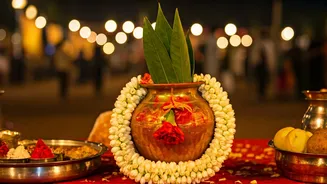
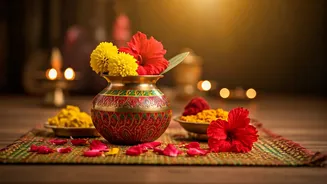
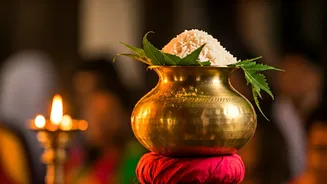
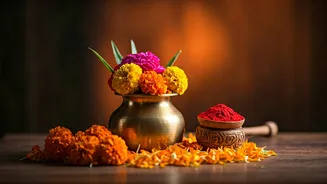
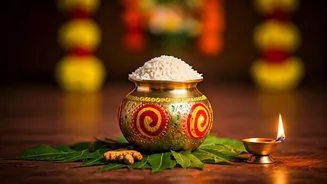
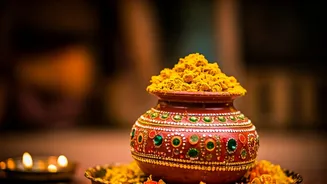
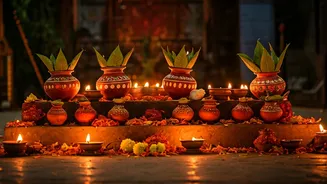
Bonalu is a feast for the senses. You will see women in traditional silk sarees carrying intricately decorated brass or earthen pots (Bonam) on their heads. These pots contain cooked rice with milk and jaggery, adorned with neem leaves and turmeric, as an offering to the Goddess. The air is thick with the rhythmic, pulsating beats of drums accompanying the processions. A key figure is the Pothuraju, believed to be the Goddess's brother, a bare-chested man with turmeric-smeared body and vermilion on his forehead, who dances frenetically, leading the procession. Another highlight is the 'Ghatam', a decorated copper pot symbolizing the Goddess, carried by a priest in a grand procession that marks the finale.
The Oracle's Word: Rangam
One of the most awaited events is 'Rangam', or the oracle's prophecy, which happens the morning after the main celebrations. In 2026, the key Rangam will take place on August 3 at the Ujjaini Mahakali Temple in Secunderabad. Here, a woman, believed to be possessed by the spirit of the Goddess, stands atop an earthen pot and foretells the future for the year ahead. Devotees and political leaders alike gather to hear the prophecies, which cover everything from the monsoon's bounty to the state's political future, making it a moment of immense social and religious importance.
A Practical Guide for Visitors
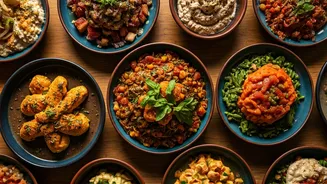
If you plan to witness the festivities, be prepared for large crowds, especially on Sundays near the main temples. Public transport can be affected, so plan your routes in advance. Modest dress is recommended when visiting temples. The processions are a spectacular photo opportunity, but always be respectful of the devotees. The festival is not just about temple visits; entire neighbourhoods come alive with decorations, food stalls, and cultural performances. It’s a chance to see a different side of Hyderabad, one steeped in folk tradition and community spirit. After the offerings, many families partake in a feast, often including sacrificed goat or chicken, which is considered sacred.