



The Experience is the New Currency
For a growing cohort of young, urban Indians, the markers of a well-lived life are being radically redefined. The traditional aspirations of accumulating physical assets are fading, replaced by a desire to collect memories. This is not just a feeling;
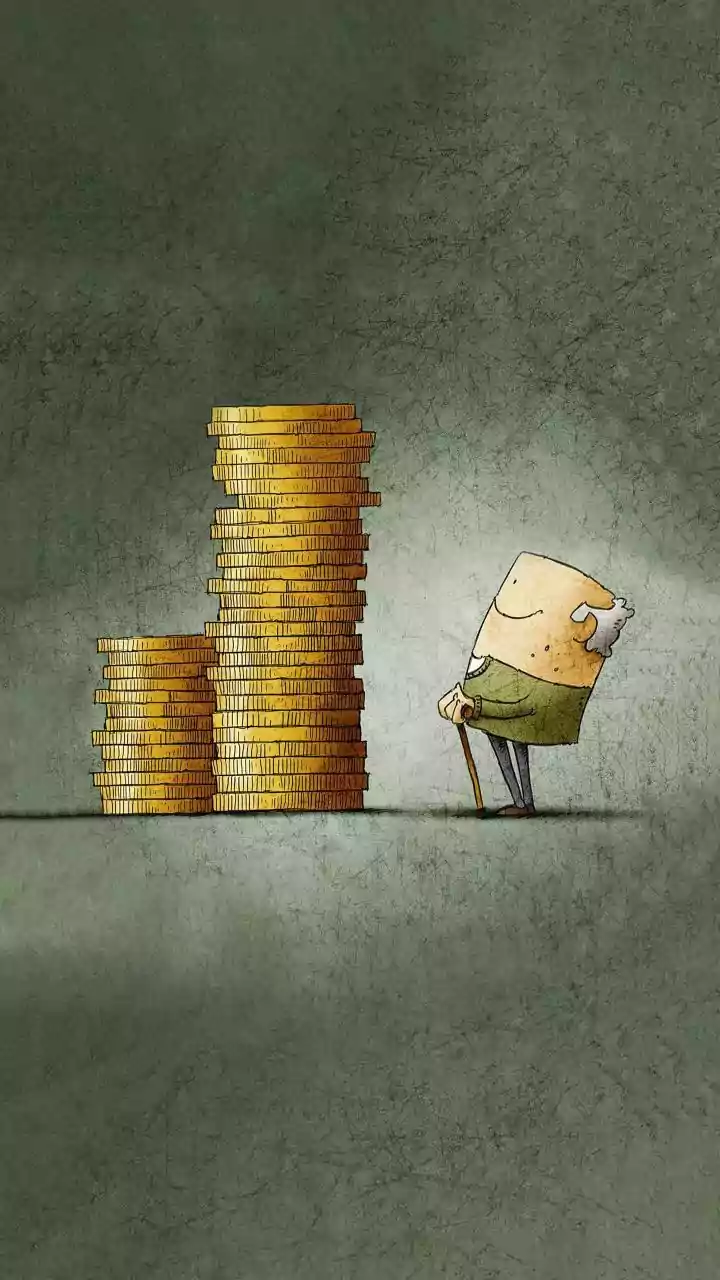
it’s an economic shift. Projections from major research firms indicate that spending on experiences—like travel, dining, and cultural events—is set to grow faster than spending on physical goods through 2030. India’s “experience economy” is on track to nearly double in value by the end of the decade, reshaping markets and reflecting a deep change in what this generation considers valuable. The new status symbol isn’t what you own, but what you have done.
Meet the New Economic Engine: Gen Z
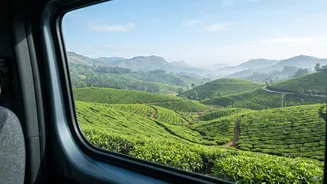
At the heart of this transformation are India’s Millennials and, even more powerfully, Gen Z. This demographic, born between 1997 and 2012, is now the country's biggest spending force, driving nearly half of all consumption in key categories. They are the first generation of digital natives to come of age with significant economic influence, and their priorities are clear. Reports show that nine out of ten international trips from India are taken by those under 35. They are spending significantly on travel, with data from 2025 showing a staggering 650% growth in travel bookings from Gen Z alone. For them, a passport filled with stamps is more aspirational than a garage filled with cars.
The Post-Pandemic Push for Reality
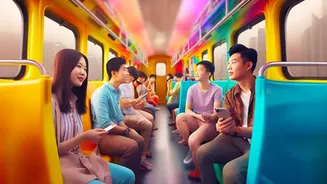
While this trend was building for years, the global pandemic acted as a powerful accelerator. Months of lockdowns and digital saturation created a profound craving for tangible, real-world interactions. Having spent so much time behind screens, many young people now actively seek out physical, participatory activities to combat digital fatigue. This has fuelled a boom not just in travel, but in local, social outings. People are choosing a competitive game of bowling or a hands-on pottery workshop over another passive trip to the mall. The shared realisation of life's fragility has placed a higher premium on making memories and seeking authentic connections.
From Music Festivals to Masterclasses
So, what are these experiences they’re buying? The spectrum is broad. Music-led travel has become a cultural phenomenon, with estimates suggesting over 60% of Gen Z plan trips around concerts and festivals in 2026. Major international artist tours now generate hundreds of crores in economic activity, filling up flights and hotels. Beyond entertainment, there is a powerful current pulling people toward self-improvement and wellness. Spending on learning-based experiences, such as skill workshops and professional masterclasses, has surged. At the same time, wellness retreats focusing on mindfulness and mental health are no longer a niche luxury but a recurring investment in personal well-being.
A Ripple Effect Across the Economy
This behavioural shift is sending powerful ripples across India’s economy. The travel, hospitality, and live events sectors are experiencing unprecedented growth. This boom isn’t confined to the metros; an increasing amount of discretionary spending is flowing into Tier 2 and Tier 3 cities, driven by better connectivity and a search for unique local experiences. Brands that sell traditional products are also being forced to adapt. The modern consumer no longer just buys a product; they buy into the story and the experience surrounding it. This has led smart companies to build communities, host events, and sell a lifestyle, not just an object, to remain relevant to a generation that values participation over possession.