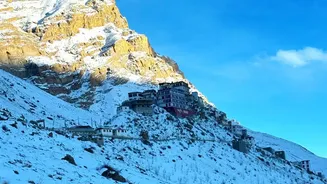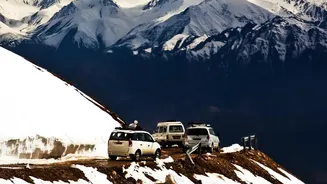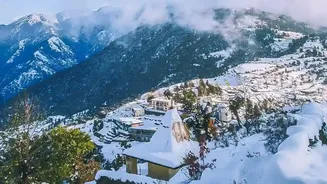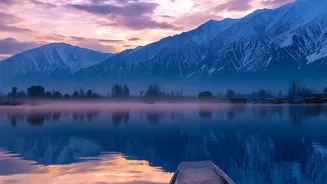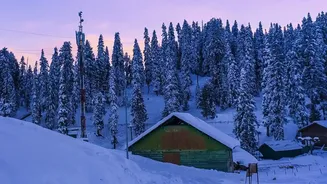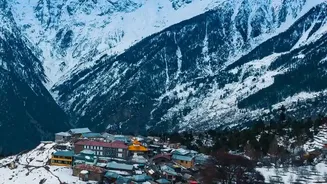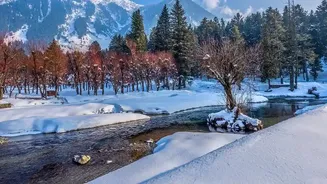

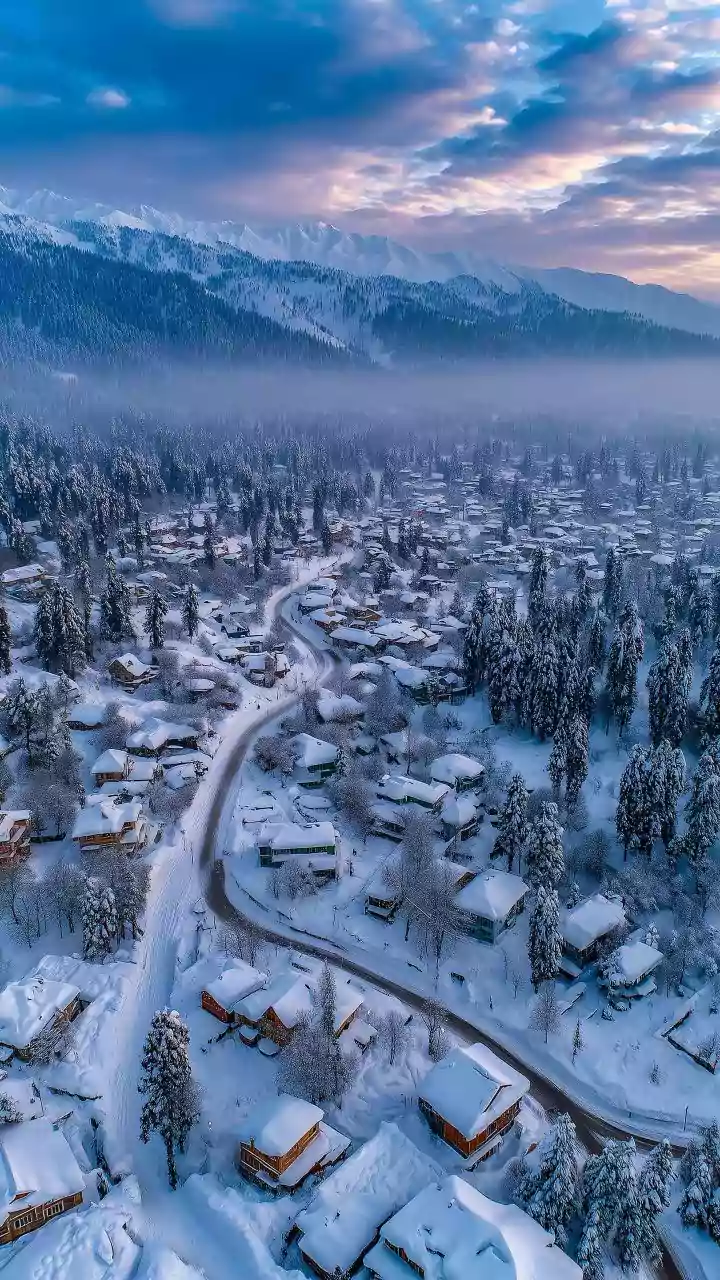
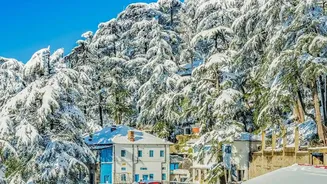
When winter blankets Kashmir in snow, most travellers head straight for Gulmarg's famous slopes. But beyond the gondola, a quieter, equally magical Kashmir awaits those willing to explore further. Here’s how to plan for it.
The Allure of a Quieter Kashmir
While Gulmarg is the undisputed
hub of winter sports, its popularity can mean significant crowds, especially during peak season. Venturing to other destinations like Pahalgam, Sonamarg, or Yusmarg offers a different kind of winter experience—one defined by serene landscapes, tranquil riverside walks, and a more intimate connection with the valley's frosted beauty. These places provide a chance to see local life continuing amidst the snow, away from the bustling tourist centres. The reward for navigating the region’s winter logistics is a sense of discovery and peace, whether you're sipping kahwa in a quiet café overlooking a snowy river or walking through a silent, pine-fringed meadow.
Pahalgam: A Riverside Winter Retreat
Pahalgam, the 'Valley of Shepherds', transforms into a tranquil winter wonderland. Located about 90 km from Srinagar, the main town is accessible throughout the winter as the road is consistently maintained. The drive itself, alongside the partially frozen Lidder River, is a scenic experience. Unlike Gulmarg's high-altitude intensity, Pahalgam offers gentle snow-covered landscapes perfect for leisurely walks and photography. While the main town stays open, access to higher-altitude spots like Aru Valley and Chandanwari can be unpredictable and often requires a separate, locally hired 4x4 vehicle, depending on recent snowfall. Betaab Valley, however, generally remains accessible and offers stunning views of snow-dusted pine forests. It’s a perfect destination for travellers seeking quiet and scenery over adrenaline.
Sonamarg: The Now-Accessible 'Meadow of Gold'
For years, Sonamarg was considered a summer-only destination, cut off by heavy snow. However, with the inauguration of the 6.5 km Z-Morh Tunnel in early 2025, Sonamarg is now accessible year-round. This has opened up a new frontier for winter travel. The tunnel bypasses the most avalanche-prone sections of the highway, making the 80 km drive from Srinagar possible on most winter days. While the town is open, visitors should be aware that attractions beyond, such as the Zoji La pass and Thajiwas Glacier trail, remain closed due to deep snow. Heavy snowfall can still cause temporary road closures, so it's essential to check the road status on the morning of travel.
Understanding Winter Road Closures
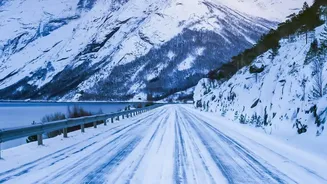
Planning a winter trip requires a realistic understanding of which routes are open and which are not. The two major seasonal closures are the Mughal Road, connecting Shopian to Poonch and Rajouri, and the Zoji La pass on the Srinagar–Leh highway. These high–altitude routes are typically shut from late autumn until spring due to immense snowfall. The primary lifeline, the Jammu–Srinagar National Highway (NH–44), remains open but is susceptible to temporary closures due to snow, landslides, or traffic management, especially around the Ramban and Banihal sections. Even accessible roads to places like Gulmarg and Pahalgam can become slippery, often requiring vehicles equipped with snow chains, particularly on inclines like the Tangmarg to Gulmarg stretch.
Essential Planning for a Smooth Trip
Flexibility is the most crucial part of any Kashmir winter itinerary. Always build at least one buffer day into your schedule to account for potential road closures or flight delays. Hire an experienced local driver with a vehicle suited for snow, preferably a 4x4 with snow chains available. Before starting any journey, especially to Sonamarg or the outskirts of Pahalgam, have your driver check the latest road status with the J&K Traffic Police, who post daily updates. Travel during daylight hours, as temperatures drop sharply after sunset, increasing the risk of black ice. Finally, pack layers of warm clothing, waterproof boots, and essentials like cash, as ATMs in remote areas can be unreliable.