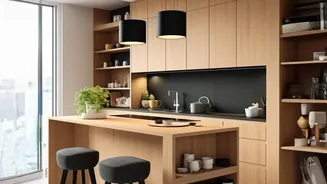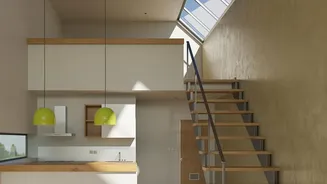







The Power of Daylight
Natural light is more than an aesthetic feature; it has a profound impact on our well-being and finances. Abundant daylight can boost your mood, improve productivity, and regulate sleep cycles. Homes that are well-lit naturally feel more open and welcoming.
Beyond the psychological benefits, good natural light reduces the need for artificial lighting, which can lead to lower electricity bills. When visiting a property, pay attention to the size and orientation of the windows. South-facing windows typically provide the most consistent light throughout the day. If possible, visit the property at different times to see how the light changes. Notice which rooms are bright in the morning versus the afternoon. Dark corners or a constant need for lamps during the day could be a sign of a home that will feel gloomy and cost more to illuminate.
The Feel of Airflow
Ventilation is the invisible element that dictates a home's comfort and health. Good airflow ensures a continuous supply of fresh air, which helps to remove indoor pollutants, reduce humidity, and maintain a comfortable temperature. Proper ventilation prevents issues like dampness and mold growth, which can cause respiratory problems and structural damage. During a site visit, open a few windows on opposite sides of the house to check for cross-ventilation. This natural breeze can significantly reduce your reliance on air conditioning. Pay attention to any musty smells, which could indicate poor airflow and potential moisture problems. Also, take a look at the condition of any visible vents and ask about the heating, ventilation, and air conditioning (HVAC) system's age and service history. A well-ventilated home is a healthier and more pleasant place to live.
The Reality of Noise
A seemingly peaceful neighborhood can have hidden noise issues that only become apparent after you've moved in. Constant or disruptive noise from traffic, neighbors, or nearby businesses can impact your sleep, increase stress, and decrease your overall quality of life. When you visit a property, take a few moments to stand quietly both inside and outside to listen. What can you hear? Is there a nearby highway, train line, or flight path? Visit at different times of the day and on different days of the week to get a complete picture. A quiet Sunday afternoon may not reflect the reality of a weekday morning commute. Check the windows—double or triple-pane windows offer better sound insulation than older, single-pane versions. Don't hesitate to ask the current residents or potential neighbors about the typical soundscape of the area. This due diligence can save you from years of auditory frustration.
The Value of Walkability
Walkability is a measure of how easy it is to live in a neighborhood without relying on a car. For many, it's a crucial lifestyle factor that offers convenience, health benefits, and a stronger sense of community. A high walkability score often means you are close to amenities like grocery stores, parks, cafes, and public transport. This can translate into less time spent in traffic and more opportunities for spontaneous strolls and interactions. When evaluating a site, go for a walk around the block. Are there safe and accessible sidewalks? How long does it take to walk to the nearest coffee shop or park? Tools like Walk Score can provide a numerical rating for any address, but nothing beats experiencing it firsthand. A walkable neighborhood not only enhances your quality of life but can also contribute to a higher property value over time.