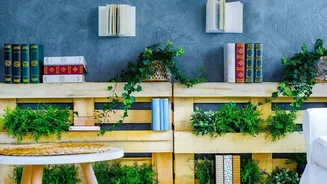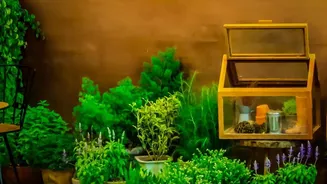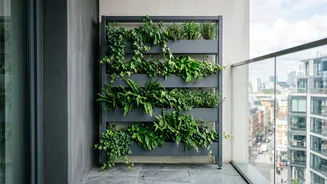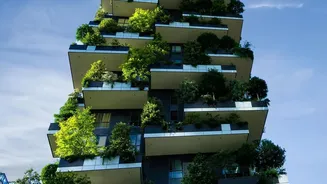





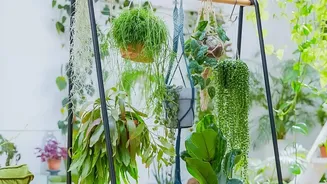
Living in a bustling Indian city often means sacrificing garden space. But what if you could grow up instead of out? Vertical garden walls are a stunning and practical solution, turning bare walls into lush, living works of art.
What Exactly Is a Vertical Garden?
A vertical garden, also
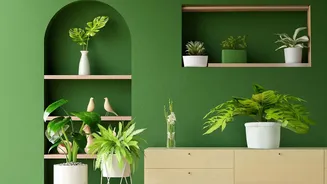
known as a living wall, is a method of growing plants on a vertically suspended panel or structure. By growing upwards, you can cultivate a garden in a small footprint, making it perfect for balconies, patios, and even indoor spaces where floor space is precious. These systems can range from simple wall-mounted containers to sophisticated hydroponic setups that use nutrient-rich water instead of soil. The core idea is to transform unused vertical surfaces into vibrant displays of greenery, whether for decorative plants, herbs, or even vegetables.
The Many Benefits of Going Vertical
The most obvious benefit is space optimisation, allowing you to grow more in a smaller area. But the advantages go much further. Vertical gardens are fantastic air purifiers, filtering pollutants and converting carbon dioxide into fresh oxygen. They can also help reduce ambient temperatures, as the plant cover absorbs sunlight and cools the surrounding area—a welcome relief during hot Indian summers. Studies have shown that living and working in a green environment reduces stress and can even boost productivity. Plus, a living wall acts as a natural sound barrier, helping to dampen noise from busy streets.
Types of Vertical Garden Systems
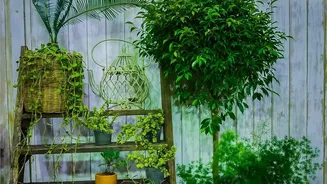
Getting started is easier than you might think, with several systems available. Felt or fabric pocket planters are a popular and inexpensive choice, where you hang a sheet of pockets and place a plant in each one. Modular or panel systems feature pre-made panels that you can attach to a wall, often with a built-in growing medium. For a simpler approach, trellises are perfect for climbing plants like money plant or flowering vines, guiding their growth upwards from a pot at the base. Tiered planter stands require no drilling and are easy to move, making them ideal for renters or those who like to rearrange their space.
Choosing the Right Plants for Indian Climates
Plant selection is key to a thriving vertical garden. For sunny balconies, heat-tolerant plants like Portulaca, Vinca (Sadabahar), and certain varieties of Bougainvillea work well. For areas with indirect or low light, such as a covered balcony or an indoor wall, you can't go wrong with hardy favourites like Money Plant (Pothos), Philodendron, Spider Plant, and various ferns. If you want an edible garden, herbs like mint, basil, and coriander (dhaniya) can thrive in vertical planters with a few hours of sun. Always group plants with similar light and water needs together.
Your First Steps to a Living Wall
Ready to start? First, observe the light in your chosen spot. A sunny, south facing wall has different needs than a shaded, north facing one. Next, consider your wall's strength and decide on a system. A lightweight fabric pocket planter is a great entry point. Use a high quality, well draining potting mix, often a blend of cocopeat, compost, and perlite, as garden soil can be too heavy and may carry pests. Remember that vertical gardens can dry out faster than traditional pots, so they may require more frequent watering, especially during dry spells.