





The Psychology of a Hug in a Bowl
What makes a simple dish feel so profoundly comforting? It’s not just about flavour; it’s about memory and association. Scientists suggest that comfort foods trigger a powerful sense of nostalgia, activating the brain’s reward system. These are often
dishes we associate with childhood, care, and safety — meals prepared by a parent or grandparent when we were sick, celebrating, or just having a quiet family dinner. The carbohydrates in many of these foods can also lead to a temporary boost in serotonin, the 'feel-good' neurotransmitter. This combination of emotional memory and simple biology is what gives a familiar dish its almost magical power to soothe the soul. It's less about the ingredients and more about the story they tell.
The Ultimate Healer: Khichdi
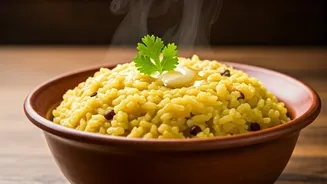
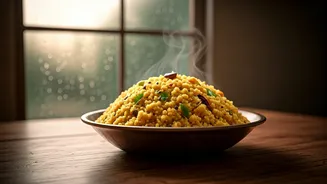
No dish in India is more synonymous with comfort than khichdi. Made from rice and lentils, it is the first food for babies and the last resort for the unwell. Its power lies in its simplicity. Soft, warm, and endlessly customisable, it asks nothing of you. A basic khichdi, perhaps with a dollop of ghee, is a gentle reset button for the digestive system and the spirit. It’s the food of convalescence, a symbol of being cared for. Every household has its own version — some add vegetables, others temper it with cumin and asafoetida. But at its core, khichdi is a promise of nourishment without fuss, a culinary lullaby that whispers that everything is going to be alright.
The Sunday Ritual: Rajma Chawal
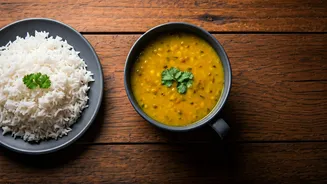
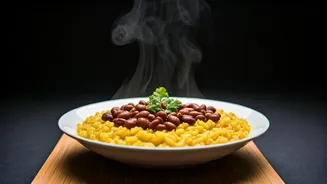
For countless families across North India, the aroma of rajma simmering on a Sunday afternoon is the very scent of home. This humble dish of kidney beans in a thick, tangy tomato gravy served with fluffy white rice is more than just a meal; it's a weekly institution. It represents a day of rest, of family coming together, of lazy afternoons and no pressing deadlines. The slow-cooked beans become creamy and flavourful, absorbing the spices and creating a rich, hearty curry that feels both indulgent and wholesome. Eating a bowl of rajma chawal is participating in a shared cultural memory of leisure and togetherness, making it a powerful source of comfort that nourishes far beyond the plate.
The South Indian Soother: Thayir Sadam
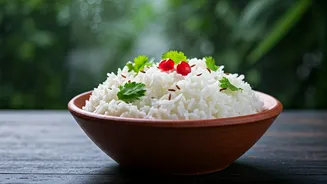
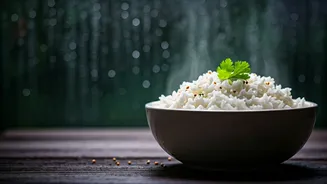
Known as thayir sadam in Tamil Nadu or curd rice across the South, this dish is the epitome of cooling, calming comfort. It’s deceptively simple: cooked rice mixed with yoghurt, seasoned with salt. It can be left plain or elevated with a tempering of mustard seeds, curry leaves, and dried red chillies, perhaps with some pomegranate seeds or grated carrots for texture. Eaten at the end of a meal, it soothes the stomach after spicy food and cools the body in the sweltering heat. It’s what mothers pack for school lunches and what’s offered to a weary traveller. Its gentle sourness and soft texture are incredibly grounding, making it the perfect food to end a chaotic day or a heavy meal.
The Monsoon Magic: Pakoras and Chai
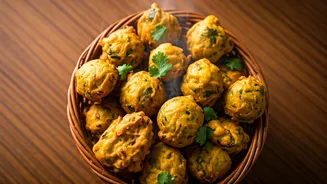
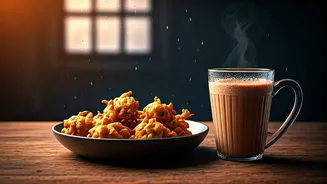
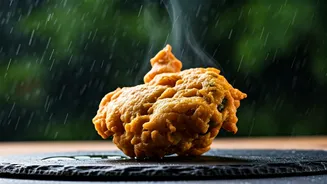
Sometimes, comfort isn't a meal but a moment. When the first monsoon rains fall, an almost instinctual craving for hot, crispy pakoras and a steaming cup of masala chai sweeps across the nation. There is something primal and perfect about this combination. The crunch of the deep-fried, gram-flour-battered vegetables against the sweet, spicy warmth of the tea creates a sensory delight that feels like a celebration of the rain. It’s a shared, spontaneous joy. It’s not about elaborate cooking; it’s about gathering with family or friends, watching the downpour, and indulging in a simple, satisfying snack. This pairing offers a very specific kind of comfort — the comfort of a shared experience tied to the rhythm of nature.