





Understanding the 'Heavy Rain' Alert
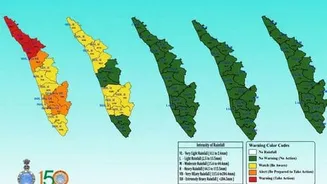
When the India Meteorological Department (IMD) issues a 'heavy' or 'very heavy' rainfall warning, it signals more than just a few showers. These alerts indicate a high probability of intense downpours that can lead to disruptions. For travelers, this
translates to a higher risk of waterlogged roads, flash floods, and landslides, particularly in hilly or low-lying areas. Active monsoon systems are currently influencing large parts of the country, with forecasts predicting widespread rain across northern, eastern, and southern India. This makes checking daily weather updates from a reliable source a non-negotiable first step in your planning.
Choose Your Destination Wisely
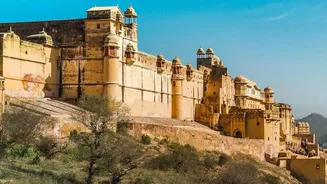
Not all destinations are created equal during a heavy monsoon. Mountainous regions like those in Uttarakhand, Himachal Pradesh, and parts of Kerala become particularly vulnerable to landslides and blocked roads. This season, authorities have specifically advised travelers to be cautious or postpone trips to high-risk locations such as Manali, Mussoorie, Wayanad, and Munnar due to unstable conditions. Safer alternatives often lie in rain-shadow regions or areas with robust infrastructure. Consider destinations like Udaipur in Rajasthan, where the rain enhances the beauty of the lakes without the same level of risk, or well-managed hill stations like Lonavala and Mahabaleshwar, provided you monitor local conditions closely.
Essentials for a Monsoon-Ready Kit
Packing appropriately can make the difference between a minor inconvenience and a major problem. Beyond a sturdy umbrella and raincoat, your luggage should include items for safety and comfort. Pack lightweight, quick-drying clothes and waterproof footwear. To protect your valuables, use waterproof bags or covers for electronics, important documents, and wallets. A first-aid kit with basics for colds, fungal infections, and antiseptic cream is crucial. Given the potential for power cuts, a fully charged power bank is a modern essential. Finally, carry an insect repellent, as the monsoon season sees a rise in mosquito-borne illnesses.
On the Road: Safety First
If you are traveling by road, heightened caution is paramount. Wet roads significantly increase braking distances, so drive slower than you normally would. Never attempt to drive through a waterlogged street; it's impossible to gauge the depth or see hidden dangers. When driving in hilly areas, be wary of stopping near steep slopes or under large trees, which can become unstable in heavy rain. If you're unfamiliar with the region, hiring a local driver who understands the terrain and its monsoon behaviour is a wise investment. Before you leave, always check for real-time updates on road closures or diversions from local authorities.
Stay Informed and Connected
Your phone is your most critical safety tool. Keep it charged and save emergency contact numbers for local police, hospitals, and your hotel. Before you lose connectivity in a remote area, inform a friend or family member of your detailed itinerary and establish check-in times. Avoid relying solely on street food and unsealed water bottles, as the risk of water contamination is higher during this season. Opt for bottled water and eat at clean, reputable establishments to avoid falling ill. Flexibility is key; be prepared to change your plans if weather conditions worsen, and always prioritize safety over sightseeing.