




The Anatomy of a Monsoon Heat Trap
It’s a familiar sensation across India: the monsoon arrives, but instead of lasting relief, the air becomes thick, heavy, and dangerously hot. Recent analysis from research bodies like the Centre for Science and Environment (CSE) confirms this isn't just
about high temperatures. It's the deadly combination of heat and high humidity, known as 'moist heat', that poses a significant threat. When humidity is high, the body's primary cooling mechanism—sweating—becomes ineffective. Sweat can't evaporate, leading to a rapid increase in core body temperature. Studies now draw a direct line between how our cities are built and how intense this effect becomes. The urban landscape itself, with its specific materials and layout, is creating microclimates that are far more dangerous than the weather report might suggest.
Concrete, Asphalt, and Trapped Heat
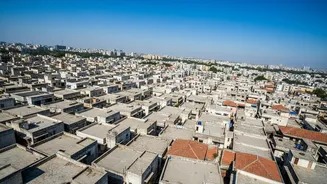
The primary culprit is the Urban Heat Island (UHI) effect, where cities are significantly warmer than surrounding rural areas. This is supercharged by the materials we use to build. Concrete, asphalt, and metal roofing absorb and retain vast amounts of solar radiation during the day. At night, while natural landscapes cool down, these urban surfaces radiate the stored heat back into the environment, preventing cities from getting any relief. This is why nights can often feel almost as oppressive as the days. This phenomenon is worsened by rapid, often unplanned urbanisation, which replaces cooling natural surfaces with heat-trapping infrastructure. Studies show that this process has already amplified warming in Indian cities by as much as 60% compared to non-urban areas.
When Streets Can't Breathe
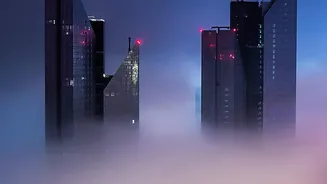
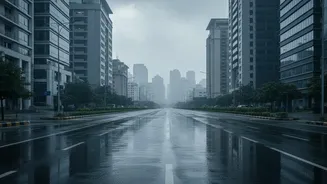
Urban geometry—the layout of buildings and streets—plays a crucial role. Tall buildings packed closely together create “urban canyons” that trap air. This design prevents wind from circulating and flushing out the hot, humid air that accumulates at street level. It also reduces the amount of sky the ground can 'see' at night, further inhibiting cooling. In contrast, traditional architecture often incorporated features like courtyards and natural ventilation, which are less effective now that entire neighbourhoods are surrounded by a hotter urban sprawl. The lack of airflow, combined with heat radiating from building surfaces, turns dense city blocks into ovens, especially during the humid monsoon season when air is already saturated with moisture.
The Vanishing Green and Blue Sponge
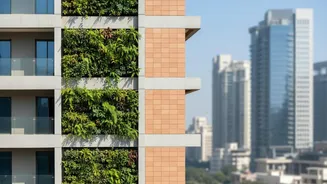
A critical factor amplifying urban heat is the decline of 'blue-green infrastructure'—the network of parks, trees, lakes, and wetlands. Vegetation and water bodies are nature’s air conditioners. Trees provide shade, and both plants and water cool the surrounding air through evaporation and transpiration. Urban parks can lower local temperatures by several degrees. However, as cities expand, these vital green spaces are often the first casualties, replaced by more concrete. In humid regions, the role of greenery is complex; while it cools, it can also add moisture. Therefore, strategic urban planning that focuses on maximizing shade and ventilation through green corridors is essential, rather than just isolated patches of green.
More Than Just Discomfort: A Public Health Crisis
The combination of high heat and humidity, measured by what scientists call wet-bulb temperature, is not just uncomfortable—it’s a severe public health risk. When the body cannot cool itself, it can lead to heat exhaustion, dehydration, and potentially fatal heatstroke. This disproportionately affects the most vulnerable: outdoor labourers, street vendors, the elderly, and residents of informal settlements where housing is often poorly ventilated and lacks access to reliable electricity for cooling. In some informal settlements, indoor temperatures can soar 8-10°C higher than outdoors. The National Disaster Management Authority (NDMA) now officially recognises heatwaves as a national disaster, highlighting the urgent need for cities to adapt.