



What Are Circular Ingredients?
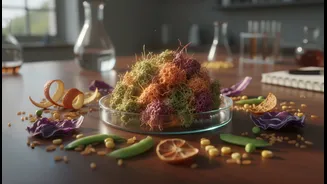
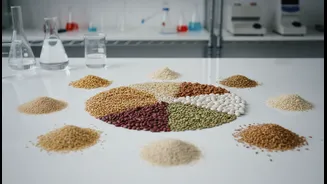
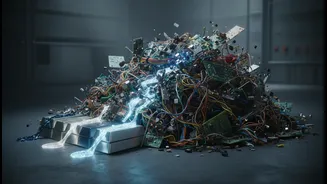
At its core, the concept is about transforming what was once considered waste into valuable new food inputs. A circular ingredient is derived from food materials, byproducts, or waste streams that would otherwise not be consumed by humans. Think of the fibrous
pulp left after juicing fruits, the nutrient-rich grains from beer production, or the discarded peels and seeds from vegetable processing. Instead of ending up in landfills, these materials are 'upcycled'—processed to create high-value, nutritious ingredients for human consumption. This approach is a cornerstone of a circular food system, which aims to eliminate waste, circulate materials, and regenerate nature, moving away from the traditional linear 'take-make-dispose' model.
The Untapped Potential in Byproducts
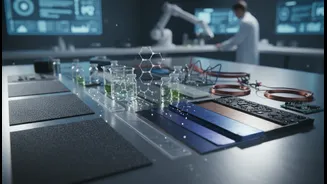
The scale of the opportunity is enormous. Globally, about one-third of all food produced is lost or wasted. In India, an estimated 350 million tonnes of agricultural waste are generated annually. This 'waste' is often rich in valuable compounds like dietary fibres, proteins, bioactive phytochemicals, and antioxidants. Innovators are already turning this potential into reality. For example, the pulp from making nut milks is being converted into flours for cookies and granola. Coffee cherry pulp, once discarded during bean harvesting, is dried into a flour that adds fibre to other foods. Similarly, byproducts from the mandarin canning industry, such as peel waste and pectin-rich wastewater, are being developed into high-fibre food additives and even eco-friendly packaging. These efforts create new revenue streams and provide more food from the same amount of land, reducing pressure on natural ecosystems.
The Critical Issue of Feedstock Quality
As this sector grows, the headline's call to action becomes critical: the quality and safety of the source material, or 'feedstock', is paramount. A major hurdle is the variability of these byproducts. The composition of agricultural waste can differ based on seasonality, processing conditions, and collection methods, making it difficult to maintain consistent product quality. There is also a significant risk of contamination. Byproducts can accumulate agricultural contaminants like heavy metals, or develop microbial issues and mycotoxins if not handled and stabilized properly and quickly after generation. These safety and consistency concerns are significant roadblocks to scaling up production and winning consumer trust.
A Call for Robust Production Standards
To move from a niche concept to a mainstream solution, the circular ingredient sector needs clear and harmonized standards. These standards would need to address several key areas. First, comprehensive traceability systems are essential to track ingredients from their source to the final product, ensuring safety. Second, validated protocols for processing and stabilization are needed to guarantee nutritional consistency and microbiological safety. Third, a clear regulatory framework, which is currently lacking, would help guide businesses and prevent 'greenwashing'—making unsubstantiated sustainability claims. Organizations like the Upcycled Food Association are already working on certification programs that verify supply chains and assess environmental impact, which is a vital step in building a credible and trustworthy market.