
Moving Beyond the Mainstream Menu
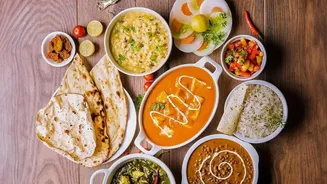
For decades, the perception of "Indian food" both at home and abroad has been shaped by a relatively small selection of popular dishes, mostly from Punjabi and Mughlai traditions. While delicious, this shorthand has often overshadowed the subcontinent's
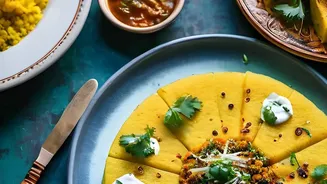
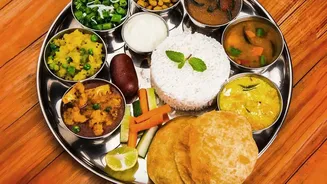
staggering culinary diversity. Now, a growing movement of chefs, home cooks, and food chroniclers are pushing back against this homogenisation. They are championing hyperlocal cuisines, celebrating ingredients and techniques unique to specific communities and micro-regions, from the tribal food traditions of central India to the herb-driven cuisines of Arunachal Pradesh. This shift is moving the conversation from broad labels like 'South Indian' to the specific narratives of communities in the Malnad belt or Nanjil Nadu.
The Custodians of Culinary Heritage
At the forefront of this revival are chefs who are turning their professional kitchens into archives of personal and collective memory. In New Delhi, restaurants like Loya are exploring the rich heritage of North India beyond the usual suspects, using traditional Pahadi spiced salt and rustic Himalayan seeds. Chef Jasleen Marwah's 'Folk' in Mumbai introduces diners to Kashmiri cuisine beyond the well-known Rogan Josh, championing forgotten ingredients like dried bottle gourd. Similarly, chefs like Avinash Martins in Goa and Harish Rao in Siolim are reviving recipes from their respective regions, focusing on flavours that are authentic to their source rather than simplified for a wider audience. This isn't just a trend; it's a movement to preserve culinary wisdom passed down through generations.
A Hunger for Authenticity and Connection
What is fuelling this delicious renaissance? Experts point to a post-pandemic cultural rediscovery, where a deeper connection to heritage has become more important. As domestic travel grows, diners who have tasted local food at its source are seeking the same authentic flavours back in the cities. This curiosity is amplified by a younger generation whose palates have been shaped by global travel and media, leading to a greater appetite for layered, authentic food stories. There's a growing realisation that dishes like Nagaland's smoked pork with bamboo shoot or Telangana's gongura-based preparations are not just food; they are comfort, culture, and history on a plate.
From Family Kitchens to Digital Archives
This movement isn't confined to fine-dining restaurants. A significant part of the revival is happening in home kitchens and on digital platforms. Food bloggers and Instagrammers are becoming crucial custodians of this heritage. By documenting their family's heirloom recipes, often through step-by-step photos and personal stories, they are creating a living, breathing archive that might otherwise be lost. Initiatives like 'A Kitchen of One's Own', a community cookbook, compile recipes passed down orally for generations, documenting everything from a Bodo community chicken curry to steamed jackfruit dumplings from Karnataka for the first time in print. This digital and print documentation ensures that these culinary traditions are not only preserved but are also made accessible for anyone to try, share, and pass on.