

Venus Dazzles in the Evening
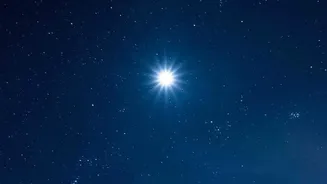
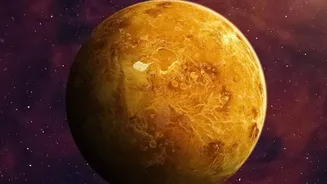
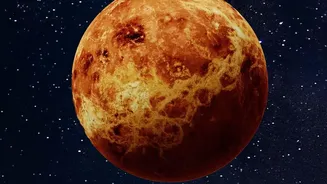
Throughout September, the planet Venus will be a stunningly bright beacon in the western sky just after sunset. Its brilliance is set to peak around September 18-22, when it will shine at its brightest for the year, reaching a magnitude of -4.8. It will be so
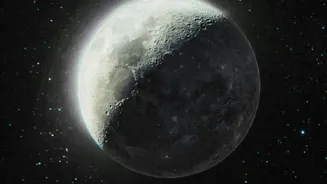
luminous that it will be easily visible even from city suburbs. Look for this dazzling 'evening star' shortly after the sun goes down. On the evening of September 14, you'll be treated to a particularly beautiful sight as a slender crescent Moon appears near Venus, creating a picturesque pairing in the twilight sky. This celestial duo will be visible for about an hour after sunset before they dip below the horizon.
The Autumnal Equinox Arrives
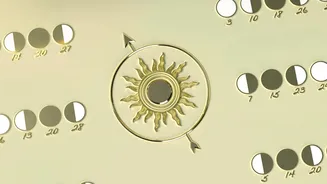
Mark your calendars for the official start of autumn in the Northern Hemisphere. The autumnal equinox will occur on September 22 or 23, depending on your time zone. Specifically, the event takes place at 00:06 Coordinated Universal Time (UTC) on September 23, which corresponds to the evening of September 22 in the Americas. For India, this will be in the early morning of September 23. This is the moment when the Sun crosses the celestial equator, moving from north to south. On the equinox, day and night are of approximately equal length across the globe, a celestial balance that signals the changing of the seasons. It's a time recognized by cultures worldwide, often with festivals celebrating the harvest and the transition to winter.
The Full 'Harvest Moon'
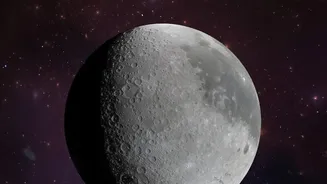
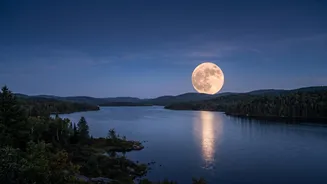
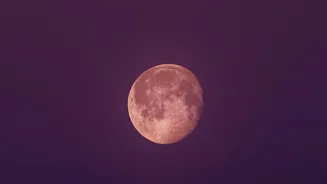
September's full moon, known as the Harvest Moon, will rise on the evening of Saturday, September 26, 2026. This full moon earns its name by being the one that occurs closest to the autumnal equinox. For a few evenings in a row, the Harvest Moon rises around the time of sunset, a phenomenon that historically provided farmers with extra light to bring in their crops. For the best view, watch the moon as it climbs above the eastern horizon around sunset. Near the horizon, an optical effect known as the 'moon illusion' can make it appear dramatically large and cast in a beautiful orange or reddish hue. Adding to the spectacle, the planet Saturn will be visible nearby, following the Moon across the night sky.
Early Morning Planetary Encounters
For the early risers, the pre-dawn sky also has its rewards. On the mornings of September 6 and 7, look towards the east before sunrise to see a waning crescent Moon pair up with the red planet, Mars. Just a day later, on the morning of September 8, the thin crescent Moon will have moved to sit very close to the bright giant, Jupiter. These morning conjunctions offer a serene and beautiful start to the day. While Mars will still be relatively faint, the bright Moon serves as a perfect guide to locate it. Jupiter, on the other hand, will be a dominant, unmissable light in the eastern sky.
A Sprinkle of Shooting Stars
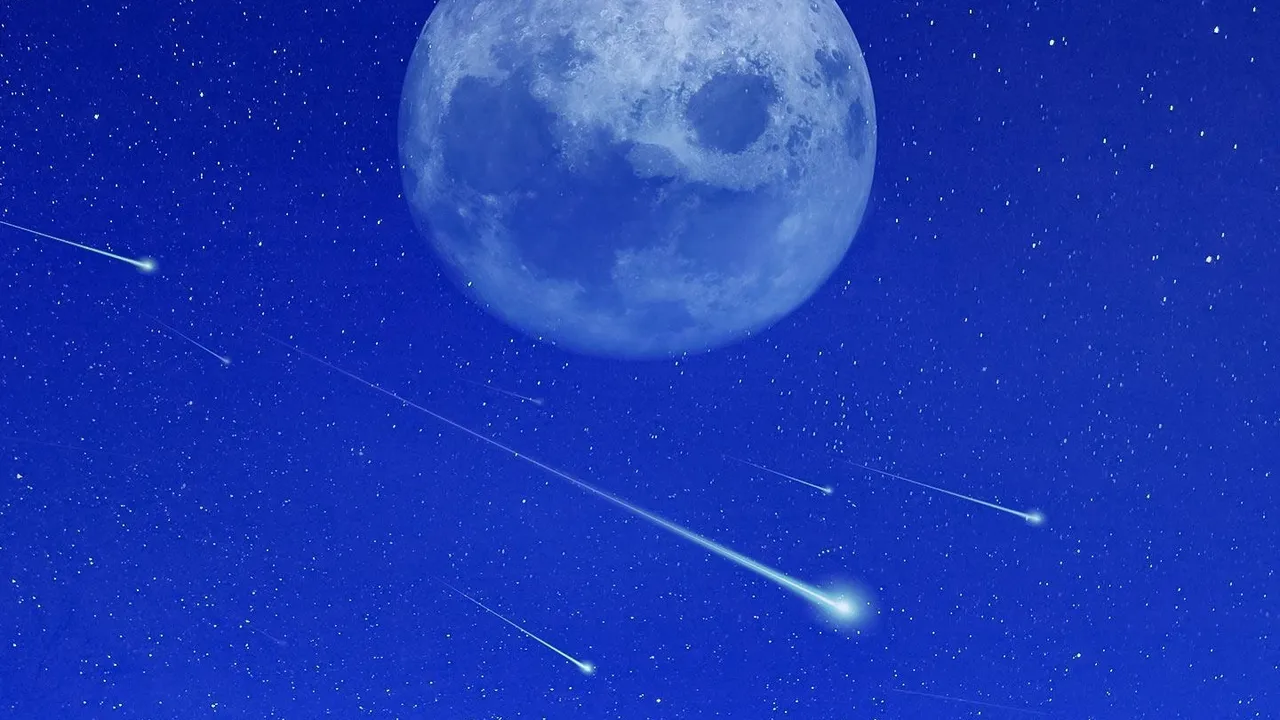
While September doesn't host any major meteor showers like the August Perseids, patient sky-watchers may still be rewarded. The September Epsilon Perseids are a minor shower active from September 5 to 21, with a predicted peak on the night of September 9. Under ideal conditions, you might see around five to eight faint meteors per hour. The good news for 2026 is that the shower's peak occurs just before the new moon, meaning the sky will be dark and free of moonlight, providing excellent viewing conditions for catching these fleeting streaks of light. For the best chance of spotting them, find a location away from city lights, let your eyes adjust to the darkness, and look towards the constellation Perseus in the northeastern sky.