






The Digital-First Diwali
The defining characteristic of the 2026 festive season is its digital-first nature. While e-commerce has been a rising force for years, it has now become the primary battleground for brands. Major online sales events from platforms like Amazon and Flipkart
are expected to kick off in early October, setting the tone for the season. However, the journey begins much earlier, with research suggesting consumer consideration starts up to eight weeks before peak shopping days. This year, a significant portion of shoppers, around 38%, plan to shop exclusively online, while another 25% will use a mix of online and offline channels. This shift is largely driven by shoppers from Tier-2 and Tier-3 cities, who now constitute the majority of online festive buyers. These consumers are not just looking for deals; they are leveraging financing options like No-Cost EMIs, which cover a substantial portion of electronics and appliance purchases, to access premium products.
Electronics: Smart, Premium, and Financed
In the electronics category, the focus has moved beyond just acquiring new devices to upgrading entire lifestyle ecosystems. While consumer durables and electronics are expected to be major spending categories, the trend is toward premiumisation. Shoppers are increasingly interested in smart home devices, premium smartphones, and high-end televisions. Interestingly, a large part of this demand for premium electronics, including smartphones priced above Rs 30,000, originates from smaller cities. However, some reports suggest a potential dip in overall smartphone sales volumes due to rising handset prices, making affordability a key concern. Brands are responding by bundling products, offering generous exchange schemes, and heavily promoting financing options to convert postponed upgrades into sales. The goal is to give consumers an emotional and financial green light to make the high-value purchases they may have delayed earlier in the year.
Beauty: The Rise of the 'Skintellectual'
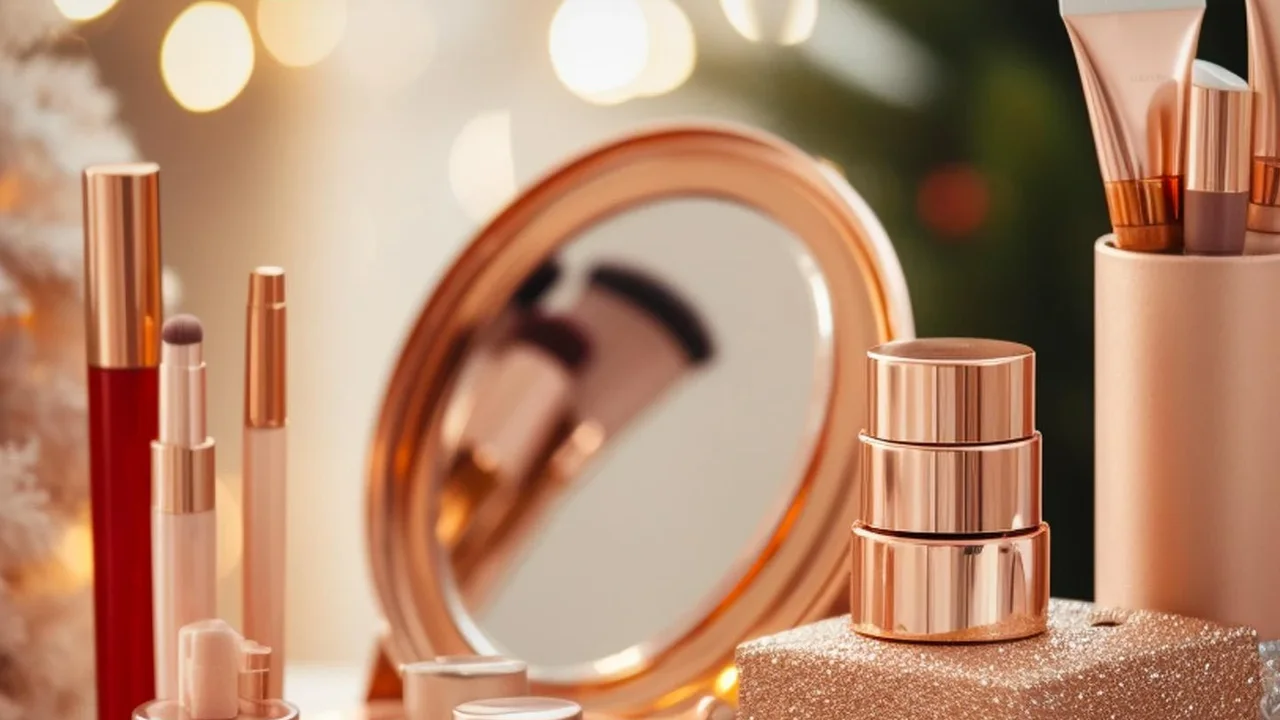
The beauty and personal care market is experiencing explosive growth, projected to be valued at over USD 7.9 billion in 2026. This festive season, purchasing decisions are being guided by a new level of consumer awareness. Shoppers are evolving into 'skintellectuals' who prioritize ingredient transparency, efficacy, and product safety. This has fueled a massive demand for organic, natural, and science-backed products, with skincare leading the charge. A prominent trend is the rise of 'Modern Ayurveda,' where traditional Indian botanicals like amla, neem, and turmeric are presented in clinically formulated products. Brands that focus on specific concerns like hyperpigmentation and sun care are gaining significant traction. Furthermore, quick commerce platforms like Blinkit and Zepto are emerging as a powerful new channel for beauty sales, making both mass and premium products more accessible than ever.
Home Goods: Creating Sanctuaries of Comfort
The home category, which includes furniture and decor, is another area seeing significant festive spending. The trend is less about ostentatious displays and more about creating personal sanctuaries. Consumers are investing in home upgrades that enhance comfort and functionality, a habit that has persisted and evolved. The 2026 approach is about 'quiet luxury'—choosing fewer, more meaningful pieces. There is a growing appetite for artisanal design, handcrafted objects, and materials like brass that add character to a space. Practicality also remains key, with strong demand for modular furniture, smart lighting, and efficient storage solutions that cater to the needs of modern, sometimes compact, urban living. As people continue to spend more time at home, they are more willing to invest in creating an environment that is not just stylish but also deeply personal and comfortable.