






A Leap in Power
In early September, engineers at the ISRO Propulsion Complex (IPRC) in Mahendragiri, Tamil Nadu, conducted a crucial flight acceptance hot test. They pushed the CE20 cryogenic engine to an uprated thrust level of 22 tonnes (220 kilonewtons). This successful
test confirms that the engine is ready for upcoming missions that require more power, particularly for the C32 upper stage of the LVM3 rocket. This isn't a minor tweak; increasing the thrust is a significant engineering step that proves the engine's robustness and prepares it for heavier lifting duties in the near future. The test is part of a broader campaign to consistently operate the CE20 at this higher thrust level to significantly enhance the LVM3's overall payload capability.
The Cryogenic Challenge
So, what makes a cryogenic engine so special? Unlike rockets that use storable liquid or solid fuels, a cryogenic engine uses propellants that are gases at normal temperatures but are super-cooled into liquids. The CE20, for instance, runs on a combination of liquid oxygen and liquid hydrogen (LOX-LH2). This combination is incredibly efficient and provides a much greater thrust for its mass compared to other fuel types. However, handling these substances at extremely low temperatures (liquid hydrogen is kept below -253°C) is a monumental technological challenge. It requires complex plumbing, insulation, and high-performance turbopumps to feed the engine. Mastering cryogenic technology is a hallmark of an advanced space-faring nation, and ISRO's continued success with the CE20 demonstrates its prowess in this demanding field.
Upgrading India's 'Bahubali' Rocket
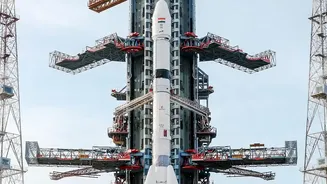
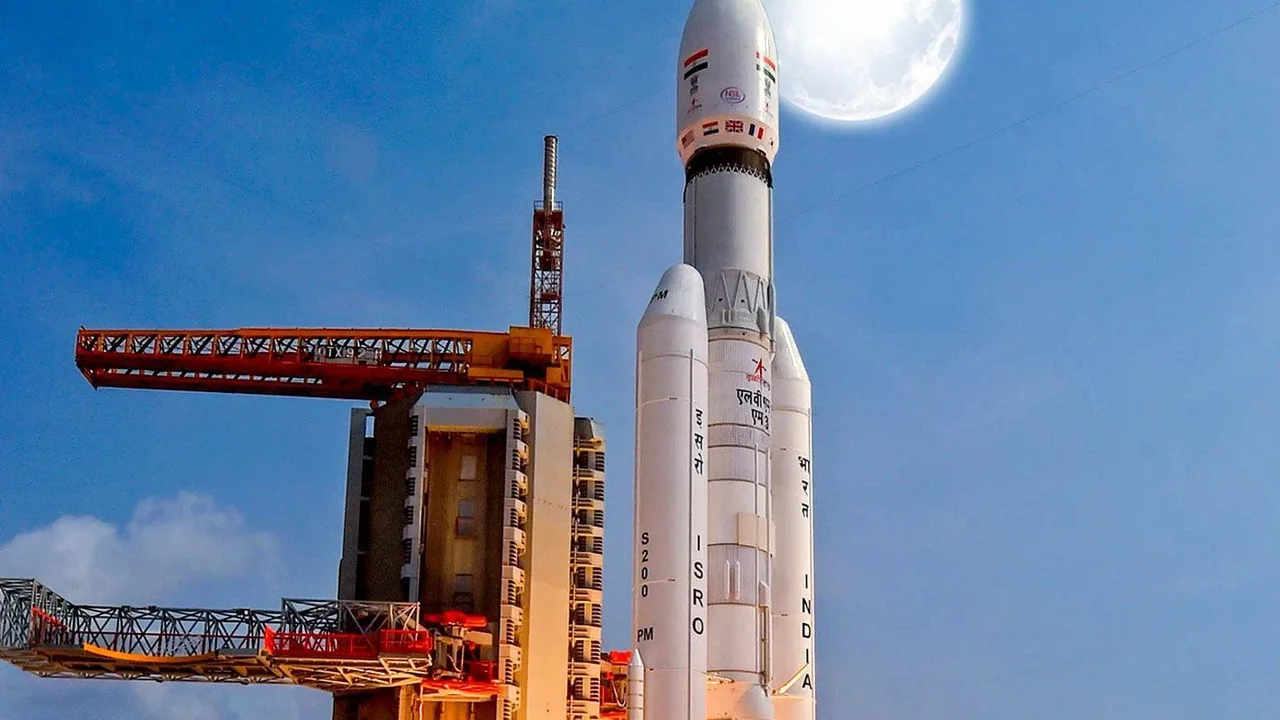
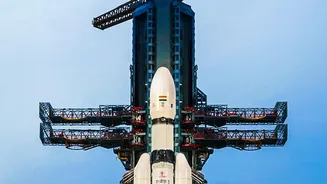
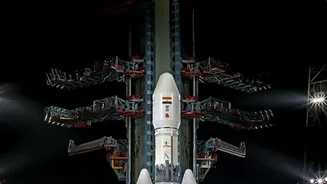
The CE20 engine is the heart of the upper stage of the Launch Vehicle Mark-3 (LVM3), often dubbed India's 'Bahubali' rocket for its power. This is ISRO's heavy-lift workhorse, a three-stage vehicle capable of launching satellites weighing up to four tonnes into Geostationary Transfer Orbit (GTO). The LVM3 has a stellar track record, having launched the Chandrayaan-3 mission to the Moon and multiple commercial satellites. By upgrading the CE20 engine, ISRO is directly enhancing the LVM3's muscle. A more powerful upper stage means the rocket can carry heavier payloads. Previous estimates suggested that uprating the engine could increase the LVM3's payload capacity by as much as 450 kg, a significant jump that opens up new possibilities.
Paving the Way for Gaganyaan
The advancements in the CE20 engine are not just about lifting heavier satellites; they are critical for India's most prestigious space project: the Gaganyaan human spaceflight mission. The LVM3 is the chosen vehicle to carry Indian astronauts into orbit, and the safety and reliability of every component must be beyond question. The recent tests also successfully demonstrated the performance of the LOX Tank Pressurisation Module (LTPM), another component intended for the Gaganyaan missions. Each successful test of the CE20, especially at higher thrust levels, builds confidence in the engine that will propel the Orbital Module carrying the astronauts into a safe orbit around Earth. The engine has now been officially human-rated, marking a major milestone toward the historic first crewed launch.
Boosting Commercial and Future Missions
A more powerful LVM3 rocket also strengthens India's position in the lucrative global commercial launch market. Currently, India sometimes relies on foreign launchers for its heaviest communication satellites. An enhanced LVM3, capable of lifting payloads closer to the five-tonne mark or even beyond, would allow ISRO to launch nearly all of its domestic satellites and compete more aggressively for international contracts. This capability reduces reliance on other nations and generates revenue. Furthermore, these engine upgrades are foundational for even more ambitious future endeavours. The power and efficiency of the CE20 are building blocks for developing rockets that could one day support missions to build an Indian space station or undertake deeper interplanetary exploration.