




Why Your Gut Loves Citrus Peels
Before you get to the recipe, it’s worth knowing why citrus peels are considered a friend to your gut. The secret lies in their rich nutritional profile. Peels are packed with dietary fibre, particularly a soluble fibre called pectin. Pectin acts as a prebiotic,
which means it provides food for the beneficial bacteria living in your gut, like Bifidobacterium and Lactobacillus. A healthy community of these microbes is essential for smooth digestion, reduced inflammation, and a strong immune system. Studies have shown that compounds in citrus peel can help promote the growth of this good bacteria, contributing to a balanced gut microbiome. Furthermore, the flavonoids found almost exclusively in citrus peels have been linked to reducing inflammation in the colon.
Taming the Bitterness
The main challenge when cooking with citrus rinds is their natural bitterness, which comes from the white pith. Fortunately, this is easy to manage. The most effective method is blanching. Simply place your chopped peels in a pot, cover them with water, and bring it to a boil. Let them boil for about five to ten minutes, then drain the water completely. Repeating this process two or three times will significantly reduce the bitterness by leaching out the compounds that cause it. For an even better result, you can add a pinch of salt and turmeric to the water during the final boil. This simple preparation step makes the peels tender and ready to absorb the delicious spices of the chutney.
A Fast and Flavourful Chutney Recipe
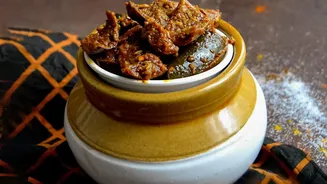
This recipe brings together classic Indian flavours to balance the tang of the citrus. It’s quick, easy to adapt, and perfect for pairing with rice, rotis, or dosas. Ingredients: - 1 cup finely chopped citrus peels (from about 2-3 oranges or lemons), blanched - 2 tbsp oil (like sesame or groundnut) - 1/2 tsp mustard seeds - 1/2 tsp fenugreek seeds (methi) - 1 finely chopped onion (optional) - 2-3 green or red chillies, chopped - 1 tsp ginger, grated - 1 tsp coriander powder - 1/2 tsp turmeric powder - A small ball of tamarind, soaked in warm water - 1-2 tbsp jaggery (gur), or to taste - Salt to taste - A handful of curry leaves Method: 1. Heat the oil in a pan. Once hot, add the mustard seeds. When they begin to crackle, add the fenugreek seeds and curry leaves. 2. If using, add the chopped onion and sauté until translucent. Then add the ginger and chillies, and cook for another minute. 3. Add the blanched, chopped citrus peels and sauté for 5-7 minutes until they soften and the raw smell disappears. 4. Stir in the coriander powder and turmeric powder. 5. Squeeze the soaked tamarind to extract the pulp and add it to the pan. Add the jaggery and salt, mixing well. 6. Add about half a cup of water, bring the mixture to a simmer, and let it cook for 5-10 minutes until the chutney thickens and oil begins to separate at the edges. 7. Let it cool completely before transferring to a clean, airtight glass jar.
Tips for Customisation and Storage
The beauty of this chutney lies in its versatility. You can easily adjust it to your taste. For a South Indian flavour profile, add a teaspoon of urad dal and chana dal along with the mustard seeds for a crunchy texture. A pinch of asafoetida (hing) will enhance the aroma. For a richer, nuttier flavour, you can dry roast a tablespoon of sesame seeds, grind them into a powder, and add it at the end of the cooking process. This chutney can be stored in the refrigerator in an airtight container for several weeks. The flavours will continue to develop and mature over the first few days. Before serving, you might want to give it a good stir. Enjoy it as a side with your meals or even as a spread in sandwiches to add a zesty, healthy kick.