






The Myth of the One-Hour Workout
For decades, the prevailing wisdom has been that for exercise to be effective, it must be a prolonged, continuous effort. This 'all or nothing' mindset has left countless busy professionals, parents, and students feeling that if they can't dedicate a full
hour at the gym, there's no point in trying. This thinking, however, is being challenged by a growing body of scientific evidence. The truth is, our bodies respond to activity, period. The idea that exercise only 'counts' if it's done in a single, lengthy block is outdated. This has led many to miss out on valuable opportunities for movement, believing that shorter sessions are ineffective. The modern, more flexible approach is about accumulating activity throughout the day, which can be just as, if not more, beneficial.
Science Backs Brevity: Meet 'Exercise Snacking'
Researchers are increasingly validating the power of brief, intense workouts, a concept often called 'exercise snacking'. This involves breaking up activity into multiple short sessions, such as three 10-minute walks instead of one 30-minute one. Studies show these 'snacks' are surprisingly effective. Research has found that even short bursts of vigorous activity, sometimes lasting only a couple of minutes each day, can significantly lower the risk of heart disease and cancer. A meta-analysis of multiple studies confirmed that exercise snacking improves cardiorespiratory fitness, increases endurance, and can even help reduce body fat percentage. High-Intensity Interval Training (HIIT), which involves short bursts of maximum effort followed by rest, has been shown to improve cardiovascular health as effectively as longer, moderate sessions, but in a fraction of the time.
From Theory to Practice: Integrating Micro-Workouts
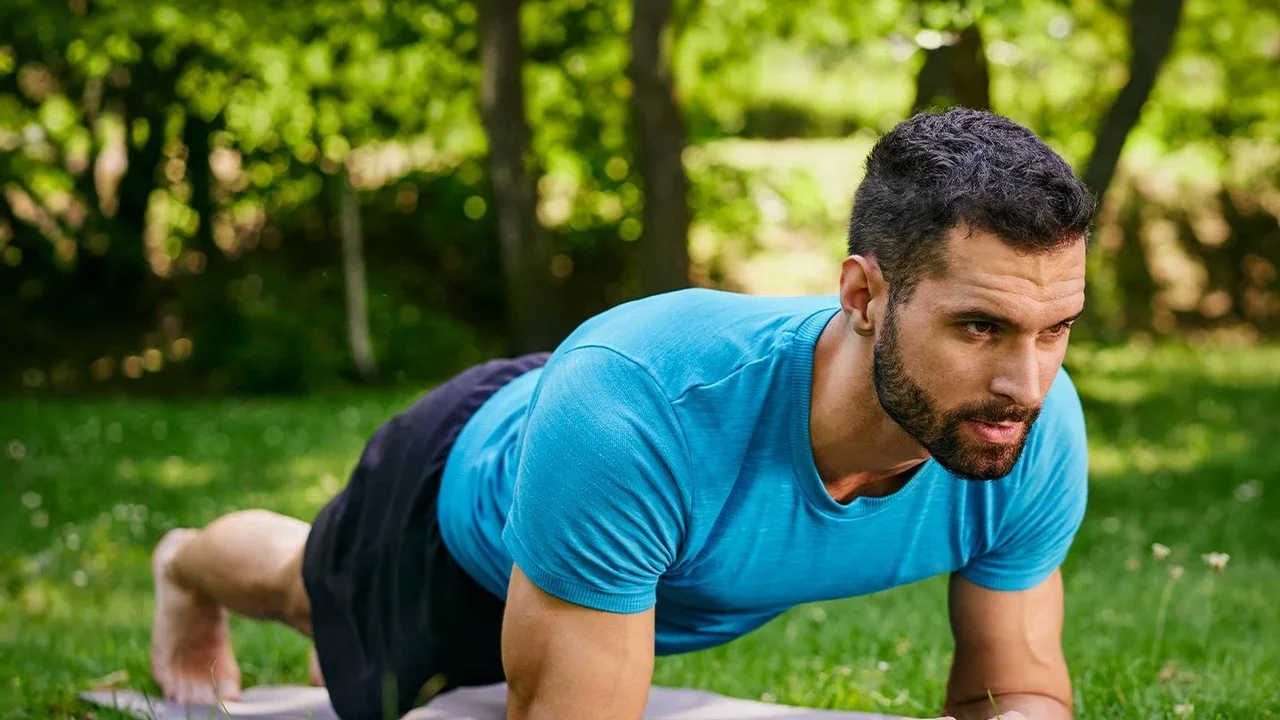
The beauty of short workouts is their adaptability. You don't need a gym membership or fancy equipment. The world becomes your workout space. Consider doing a set of bodyweight squats and push-ups against the kitchen counter while your morning coffee brews. Use a commercial break during your favourite show to hold a plank or do some lunges. If you work in an office, take the stairs instead of the elevator, or use a five-minute break to walk briskly around the building. A 10-minute walk during your lunch break can boost your mood and focus for the afternoon. The key is to link these activities to existing habits. By doing so, you remove the friction of having to schedule a separate, formal workout session. Even a few minutes of stretching or walking is better than none at all.
The Power of Consistency and Mental Wins
Perhaps the greatest benefit of shorter workouts is psychological. The lower barrier to entry makes it easier to build a consistent habit. When you know your commitment is only for 10 or 15 minutes, you are far less likely to skip it. This consistency is more valuable for long-term health than sporadic, heroic sessions at the gym. Each completed session provides a small mental victory, boosting self-confidence and motivation. Regular exercise, even in short bouts, is a powerful tool for managing stress, anxiety, and improving overall mood by releasing endorphins. Studies have shown that just 10 minutes of moderate-to-vigorous exercise can lead to immediate improvements in concentration. It transforms exercise from a daunting chore into an achievable, and even enjoyable, part of your daily routine.
Designing Your 10-Minute Power Session
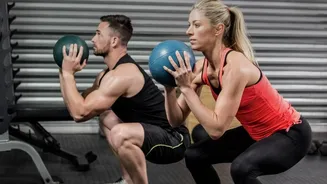
Creating your own effective micro-workout is simple. Focus on compound exercises that work multiple muscle groups at once to maximize your time. A simple and effective structure is the Tabata-style workout, which involves 20 seconds of maximum effort followed by 10 seconds of rest, repeated for several rounds. Here is a sample 10-minute, no-equipment routine: Start with a 1-minute warm-up of light jogging in place and arm circles. Then, perform each of the following exercises for 40 seconds, followed by 20 seconds of rest: Jumping Jacks, Bodyweight Squats, Push-ups (on knees or toes), and Mountain Climbers. Repeat this circuit twice. Finish with a 1-minute cool-down of gentle stretching. This entire routine takes just 10 minutes but elevates your heart rate and engages major muscle groups, delivering a potent dose of fitness.