




Why We Feel Sluggish After Festivals
After days of indulging in foods that are high in fat, sugar, and salt, it's common to feel bloated, constipated, and generally out of sorts. These festive favourites are often low in dietary fibre, the essential nutrient that keeps our digestive system
moving smoothly. This sudden shift from our regular diet can disrupt the delicate balance of our gut, leading to discomfort as our bodies work overtime to process the rich foods. It’s not about guilt; it’s simply the physical result of a temporary change in eating habits. Acknowledging this is the first step toward getting back on track.
Fibre: Your Digestive System’s Best Friend
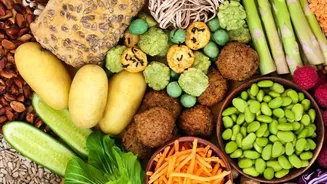
Dietary fibre is a type of carbohydrate that our bodies cannot digest. It plays a crucial role in maintaining gut health. There are two types: soluble and insoluble. Soluble fibre, found in oats, beans, and fruits, dissolves in water to form a gel-like substance that helps soften stool. Insoluble fibre, present in whole grains and vegetables, adds bulk and helps waste move more efficiently through the digestive system. A diet rich in both types of fibre promotes regular bowel movements, feeds the beneficial bacteria in your gut, and can help reduce inflammation.
Start Gently: Easy-to-Digest Fibre Sources
Jumping back into a high-fibre diet too quickly can sometimes worsen bloating and gas as your system adjusts. The key is a gradual reintroduction. Start with gentle, easily digestible sources of fibre. Cooked oats, ripe bananas, avocados, and steamed sweet potatoes are excellent choices. These foods provide soluble fibre that is soothing to the gut. You can also incorporate well-cooked vegetables like carrots and green beans. Once your body feels comfortable with these, you can slowly add more complex, insoluble fibres from sources like whole-wheat bread, brown rice, and legumes.
Don't Forget to Hydrate
Increasing your fibre intake without enough water can lead to constipation. Fibre works like a sponge, absorbing water to add bulk and softness to stool. Without adequate fluid, this process can't happen effectively. As you begin to add more fibre-rich foods back into your meals, make a conscious effort to drink plenty of water throughout the day. Aim for at least 6-8 glasses. Herbal teas, such as mint or ginger, can also aid digestion and help soothe an upset stomach while contributing to your fluid intake.
Simple Meal Ideas for a Gentle Reset
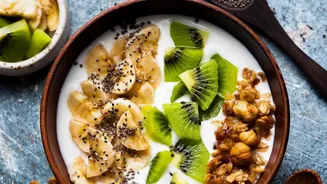
Getting back to a routine doesn't have to be complicated. Focus on simple, wholesome meals. For breakfast, a bowl of oatmeal with sliced banana or a smoothie can be a great start. For lunch, consider a hearty lentil and vegetable soup or a salad with lean protein. A simple dinner could consist of grilled fish or chicken with a side of quinoa and steamed vegetables. These meals are not only comforting and easy to digest but are also packed with the nutrients your body needs to recover and re-energize after the festive period.
Listen to Your Body
Ultimately, the most important rule is to be gentle with yourself and listen to your body's cues. Avoid the temptation to fast or skip meals to 'compensate' for overindulgence, as this can disrupt your metabolism. Instead, focus on returning to a balanced eating pattern. Light physical activity, like a 10-minute walk after meals, can also significantly aid digestion and reduce bloating. This post-festive period is not about punishment or restriction, but about nourishing your body and guiding it back to a comfortable, healthy equilibrium.