


Beyond Flat: The Power of Layering
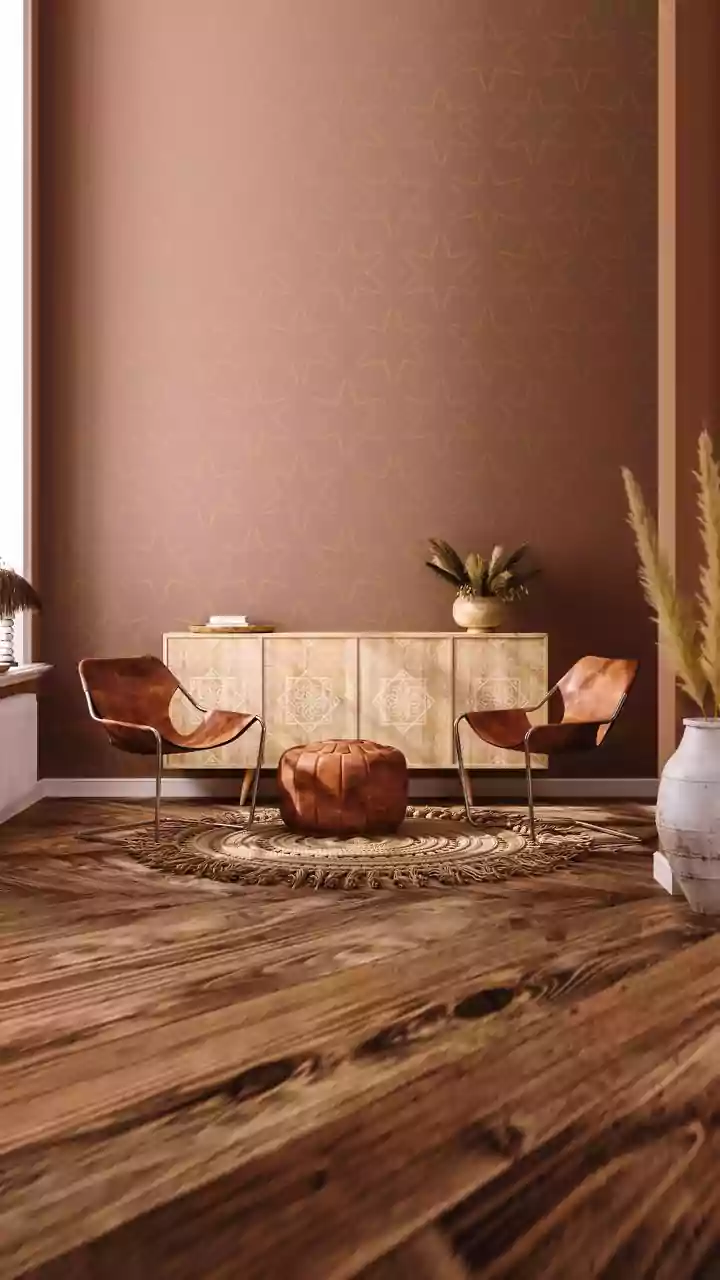
In interior design, “layering” is the art of combining different elements to create depth, texture, and visual interest. A room without layers can feel flat, one-dimensional, and uninviting. Designers achieve this effect by mixing textures, materials,
patterns, and even light sources to make a space feel collected and authentic rather than simply decorated. This technique is especially crucial in small rooms, where creating a sense of depth can trick the eye and make the space feel more expansive and thoughtfully designed. The goal isn't to add clutter, but to thoughtfully combine elements that give a room character and a lived-in warmth.
Creating a 'Micro-Zone' with a Purpose
A reading nook is more than just a chair in a corner; it's a dedicated 'micro-zone'. By carving out a space for a specific activity, you are introducing a new functional layer to the room. This act of zoning helps to break up a single-use space, making it more versatile and organized. Even without physical walls, the brain perceives this designated area as separate, adding a new dimension to the room's layout. An unused corner by a window, a small stretch of empty wall, or the space beside a bookshelf can all be transformed, giving the entire room an added sense of purpose and structure.
The Essential Elements of a Reading Nook
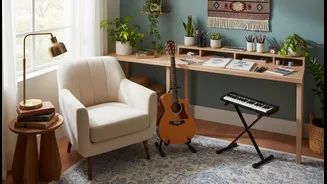
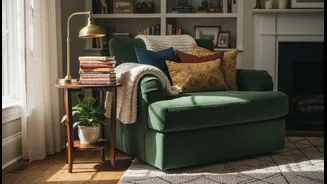
Creating a successful reading spot doesn't require a lot of space, just the right components. Start with a comfortable chair that invites you to sit for a while. It doesn't have to be a large armchair; a compact accent chair can work perfectly. Next, ensure you have good lighting. While natural light is ideal, a dedicated floor or table lamp is essential for evening reading. This creates a pool of warm light that adds another visual layer. Finally, add a small side table or a floating shelf to hold a drink or your current book, keeping the space functional and clutter-free.
Texture and Height: The Finishing Layers
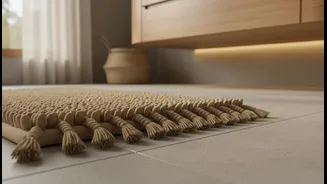
This is where the nook truly comes alive and enhances the entire room. Add soft textures through a plush throw blanket, a supportive cushion, or a small rug under the chair. These textiles add physical and visual warmth. They also help absorb sound, making the corner feel quieter and more contained. Play with height by hanging a piece of art on the wall behind the chair or placing a tall, slender plant nearby. This draws the eye upward and adds a vertical dimension to your new layered zone. Even stacking a few books on the side table adds a simple, effective layer.
More Than a Corner, It's a Story
Ultimately, a reading spot gives a room personality. It tells a story about how the space is used and what is valued within the home. It suggests quiet moments, relaxation, and a retreat from the digital world. By turning a neglected corner into a destination, you’re not just adding furniture; you’re adding a layer of intention. This small, curated zone can have an outsized impact, making your entire room feel more sophisticated, functional, and, most importantly, more like a home. It’s a design choice that adds richness without sacrificing space.