



The Search for a Better Breakfast
Mornings in modern India are a race against time. The desire for a breakfast that is both nourishing and convenient often leads us to packaged cereals or time-consuming preparations. For those looking to increase their protein intake, especially vegetarians,
the options can feel even more limited. The ideal breakfast needs to be energising, filling enough to prevent mid-morning snack attacks, and quick to prepare. This daily challenge has sent many on a quest for better options, and increasingly, the answer is being found not in a new-age superfood from across the world, but in a forgotten gem from our own kitchens.
What Exactly Is Sattu?
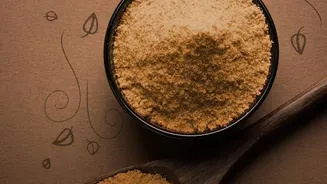
Sattu is a traditional superfood, essentially a flour made from roasted Bengal gram (chana). Historically popular in states like Bihar, Jharkhand, and Uttar Pradesh, it has long been known as a 'poor man’s protein' for its affordability and incredible nutritional profile. Traditionally, it was consumed as a cooling drink called Sattu Sharbat, a simple mix of the flour with water, salt, and spices, providing instant energy and hydration to farmers and labourers under the harsh sun. The roasting process gives sattu a unique nutty flavour and, more importantly, makes its nutrients easier for the body to absorb.
A Nutritional Powerhouse
The reason sattu is experiencing a modern revival lies in its impressive nutritional stats. It is an excellent source of plant-based protein, with roughly 20 to 25 grams of protein per 100 grams. This makes it a fantastic alternative to whey protein for muscle repair and growth. Beyond protein, sattu is incredibly rich in dietary fibre, which aids digestion, promotes a feeling of fullness, and helps manage weight by curbing hunger pangs. It also has a low glycaemic index, meaning it releases energy slowly and prevents sudden blood sugar spikes. Furthermore, it is packed with essential minerals like iron, magnesium, and calcium, which are vital for energy levels, bone health, and overall well-being.
From Sharbat to Smoothie Bowl
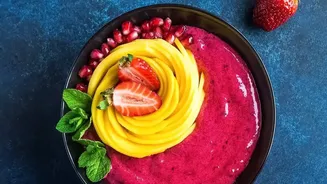
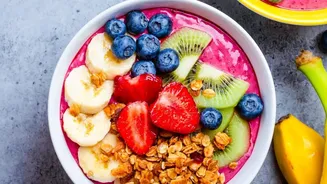
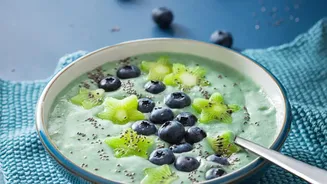
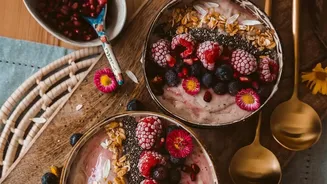
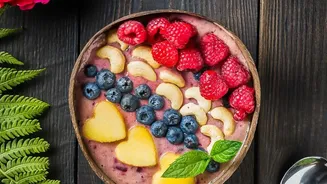
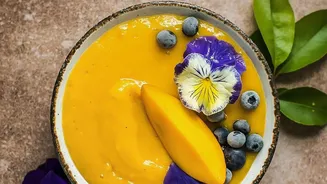
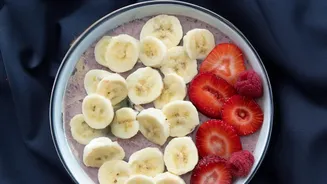
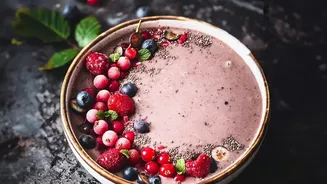
While the traditional sharbat is still a beloved classic, the smoothie bowl is the modern avatar that has catapulted sattu into the breakfast spotlight. Why this format? It transforms the simple flour into a complete, satisfying meal. Blending sattu with ingredients like yoghurt (dahi), bananas, dates, and a splash of milk creates a thick, creamy, and spoonable consistency that feels more like a substantial breakfast than a drink. This format allows for endless customisation with toppings like fresh fruits, nuts, and seeds, adding more texture, flavour, and nutrients. It’s an Instagram-friendly presentation that has caught the eye of health-conscious millennials and fitness enthusiasts looking for a natural, whole-food start to their day.
How to Make Your Own Sattu Smoothie Bowl
Creating a sattu smoothie bowl is incredibly simple and requires no cooking. It’s the perfect solution for busy mornings or as a post-workout recovery meal. Here’s a basic recipe to get you started: Start by blending 3-4 tablespoons of sattu flour with one frozen banana and about 200ml of curd or Greek yoghurt for extra creaminess and protein. Add a natural sweetener like a tablespoon of jaggery powder or a couple of pitted soft dates. Include a splash of milk or water to achieve your desired consistency. You can also add a pinch of cardamom for a touch of traditional flavour. Once blended until smooth and thick, pour it into a bowl. Now for the fun part: the toppings. Add sliced fresh fruit like mango or berries, a sprinkle of chia or flax seeds for healthy fats, and a handful of almonds or walnuts for crunch. Your high-protein, nutrient-dense breakfast is ready in minutes.