

What is a Humidity Tray?
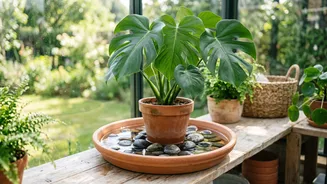
A humidity tray, often called a pebble tray, is a brilliantly simple device. It consists of a shallow, waterproof tray filled with a layer of pebbles, gravel, or decorative stones. Water is added to the tray, but only to a level just below the top of the pebbles.
The plant pot then sits on top of the stones, elevated above the water. The core principle is evaporation: as the water in the tray evaporates, it increases the ambient moisture in the air immediately surrounding the plant's leaves, creating a personal pocket of humidity.
Why Sunny Spots Need a Humidity Boost
Many popular houseplants, like ferns, calatheas, and orchids, are native to tropical rainforests where humidity levels are consistently high. In a typical home, especially one with air conditioning or heating, the air is much drier. A sunny windowsill compounds this issue; the heat from direct sunlight accelerates water loss from both the soil and the plant's leaves through a process called transpiration. This can lead to stress, showing up as brown leaf tips, curling leaves, or slow growth. A humidity tray provides a constant, gentle source of moisture to counteract this drying effect, mimicking the plant's natural habitat more closely.
How to Make Your Own Humidity Tray
Creating a humidity tray is a quick, inexpensive DIY project. First, select a shallow, waterproof tray or saucer that is wider than the base of your plant's pot. Almost any shallow dish will work. Next, fill the tray with a layer of pebbles, small rocks, or even glass beads. Spread them out evenly. Place your potted plant on top of the pebbles. Finally, pour water into the tray until the level is just below the tops of the pebbles. The most crucial rule is to ensure the bottom of the pot is not sitting directly in the water, as this can lead to root rot. You'll need to top up the water every few days as it evaporates.
Best Plants for This Method
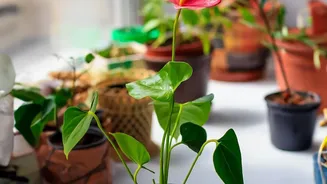
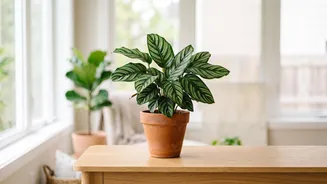
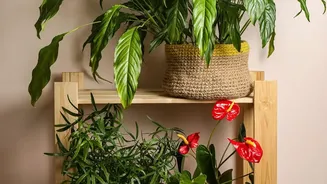
While not all plants need high humidity, many tropical favourites will appreciate the boost. Plants with thin leaves often benefit the most. Good candidates include Prayer Plants (Calathea and Maranta), which are known for getting crispy edges in dry air. Many ferns, like the Boston Fern and Maidenhair Fern, also thrive with the extra moisture. Other plants that respond well are Anthuriums, Alocasias (Elephant Ear), and some orchids. While these plants love humidity, remember that not all of them love direct, scorching sun. A spot near a bright window with a sheer curtain can be an ideal compromise, offering both the light and the localized humidity they need to flourish.
Things to Keep in Mind
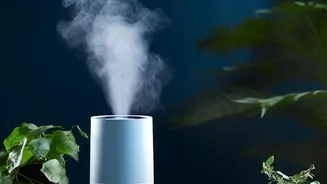
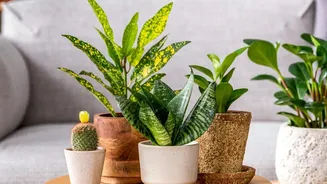
While humidity trays are effective for creating a localized moisture zone, they won't significantly raise the humidity of an entire room. For that, a mechanical humidifier is more effective. It's also important to maintain your tray. To prevent the growth of algae or provide a breeding ground for pests like fungus gnats, change the water and rinse the pebbles every week or two. Finally, remember that grouping several plants together can amplify the effect, as they collectively release moisture through transpiration, creating a shared humid microclimate.