





The Scale of Festive Food Waste
In a country where food security remains a significant challenge, the paradox of festive excess is hard to ignore. India is a major contributor to global food waste, with a substantial portion generated during celebrations like weddings and festivals.
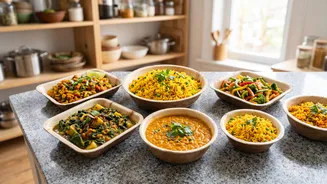
This isn't due to a lack of generosity but often the opposite; hospitality culture encourages preparing more than enough, ensuring no guest leaves wanting. However, this tradition of abundance often results in large quantities of uneaten, high-quality food being discarded. During festivals, this can spike significantly, with some estimates suggesting that a large percentage of waste generated during such events is purely food. This waste strains resources and represents a missed opportunity to help those who struggle for a daily meal.
More Than Just Waste Management
Viewing food donation as merely an efficient way to clear out your kitchen misses the bigger picture. Community donation drives transform leftovers into a gesture of continued celebration. It extends the spirit of Diwali—a festival of light, prosperity, and goodwill—to the wider community. For the donor, it provides a meaningful and guilt-free way to handle excess food. For the recipient, it offers a taste of festive joy they might not have otherwise experienced. This act of sharing strengthens community bonds and ensures that the season's abundance is distributed more equitably, turning a potential waste problem into a powerful act of compassion.
How to Donate Leftovers Safely
Donating cooked or leftover food requires care to ensure it remains safe and enjoyable. Not all items are suitable for donation. Generally, the best items are those that are easily stored and have a good shelf life. This includes unopened boxes of sweets (mithai), dry snacks like chakli and sev, packets of nuts, and other non-perishable goodies. Many organisations cannot accept highly perishable items, foods with a short shelf life once opened, or anything that has been partially eaten from a guest's plate due to hygiene concerns. It is always best to contact the donation agency beforehand to confirm what they can accept. Properly packaged, untouched food is most likely to be welcomed.
Finding a Food Drive Near You
Several well-established non-governmental organisations (NGOs) across India facilitate food collection, especially during festivals. The Robin Hood Army, a volunteer-based organisation, famously collects surplus food from restaurants and communities to distribute to those in need and often holds special drives during Diwali. Similarly, Feeding India, which is now part of Zomato, has extensive networks for food collection and distribution, aiming to fight hunger and malnutrition. Beyond these national players, many local community groups, resident welfare associations (RWAs), and religious institutions organise their own collection drives. A quick search on social media or local forums for 'Diwali food donation' in your city can reveal nearby opportunities to contribute.
The Collective Impact of Giving
The power of these drives lies in collective action. While a single box of sweets might seem like a small contribution, when hundreds of households in a community do the same, the impact is immense. Initiatives like SewaDiwali bring together numerous community organisations to collect thousands of pounds of food annually, demonstrating what is possible when people unite for a cause. These efforts provide meals for thousands, supporting children in shelters, families of hospital patients, and other vulnerable populations. By participating, you are not just giving away food; you are becoming part of a larger movement that fosters a culture of sharing and service, ensuring the light of Diwali shines a little brighter for everyone.