






The crypto world was shaken by news of a security breach at Binance, the globe's largest exchange, with an estimated $6.3 billion stolen in what may be the biggest crypto heist in history. The company moved swiftly to contain the damage.
The Anatomy of a Record-Breaking Heist
On October 29,
2026, attackers drained approximately $6.3 billion in digital assets from Binance's online 'hot wallets' in a stunningly rapid and complex operation. The entire theft across ten different blockchains was executed in about 20 minutes. According to Binance's initial investigation, the breach started with a DevOps engineer's laptop being compromised. In a sophisticated scheme that unfolded over months, hackers reportedly used fake job interviews to trick an engineer into downloading malware, which eventually gave them access. This allowed the attackers to make a series of unauthorized transactions that appeared legitimate to the network, siphoning off billions before the exchange could fully react. Blockchain intelligence firms like TRM Labs and Chainalysis, as well as the FBI, have attributed the attack to TraderTraitor, a hacking group linked to North Korea.
Binance's Swift and Decisive Response
In the face of a potentially catastrophic event, Binance's leadership issued a clear and immediate promise: customer funds were safe, and the company would absorb the full financial impact. Co-CEO Richard Teng confirmed that no user would bear the financial losses from the hack. To make good on this pledge, Binance is utilising a multi-layered financial defence. This includes its Secure Asset Fund for Users (SAFU), an emergency insurance reserve established in 2018 for exactly this type of crisis. In addition to the SAFU fund, the company is using its corporate treasury and a separate Futures Insurance Fund to cover the massive shortfall. The exchange temporarily suspended all withdrawals to secure its systems before beginning a phased reopening on November 1.
The Race to Freeze and Recover
Immediately following the attack, a coordinated effort began between Binance, law enforcement, and other key players in the crypto industry to trace and freeze the stolen assets. This rapid response was partially successful, with stablecoin issuers like Tether and Circle managing to block transactions and freeze approximately $3 billion of the stolen funds. However, the hackers were prepared, quickly moving to swap freezable stablecoins for assets like Ethereum and Bitcoin, which cannot be centrally blocked. The attackers laundered the funds through thousands of different wallets to make them harder to trace. While 'frozen' does not mean 'recovered', locking down a significant portion of the funds was a critical first step in mitigating the total damage.
Market Tremors and User Reactions
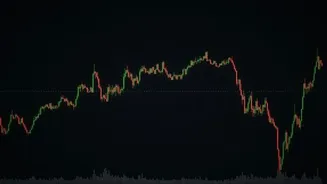
News of the largest heist in crypto history sent immediate shockwaves through the market. Bitcoin's price fell below $77,000, a drop of about 5%, while other major cryptocurrencies like Ethereum and Binance's own BNB coin saw similar declines. The derivatives market was hit harder, with over $1.6 billion in leveraged positions liquidated within 24 hours. When Binance resumed withdrawals, there was a predictable rush for the exits, with a net outflow of about $3.6 billion on the first day. However, analysts noted that the market's reaction was more resilient compared to past crypto crises like the collapses of FTX or Celsius, suggesting a growing maturity in the industry. The price of major assets began to stabilize and even recover within days.
A Test of Trust and Resilience
This unprecedented attack serves as a major test for Binance and the broader cryptocurrency ecosystem. By November 3, the exchange reported it had replenished 98% of the stolen tokens by purchasing replacement assets on the open market. The remaining assets were described as less liquid and would take longer to source. Binance has also committed to replenishing its SAFU fund back to its previous level of approximately $1 billion. While the incident highlights the persistent security risks of centralized exchanges, Binance's ability and willingness to cover such a staggering loss without passing it on to customers has been a crucial demonstration of financial strength. For users, it's a stark reminder of the 'not your keys, not your coins' mantra, but also a case study in how a major institution responds to a crisis. The long term impact on user trust and regulatory scrutiny remains to be seen.