



The New Fashion Heartland
The engine of India's retail growth is no longer exclusively in its metros. Cities like Jaipur, Lucknow, Coimbatore, and Indore are becoming the new epicentres of fashion consumption. This shift is powered by a surge in disposable income, widespread internet
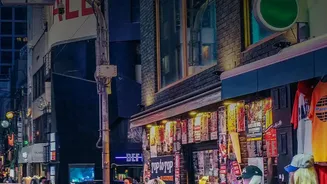
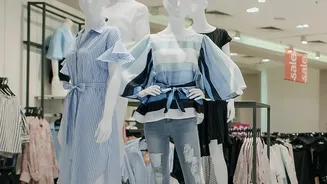
and smartphone penetration, and a digitally-savvy young population exposed to global trends via social media. As a result, e-commerce transactions from these non-metro markets now account for over 60% of the total, fundamentally changing how and where brands need to compete. This isn't just an e-commerce story; major brands like Westside and Zudio are aggressively expanding their physical footprint in these cities, recognizing that aspiration is no longer concentrated in a handful of urban hubs.
Myth-Busting the Quality Gap
A long-held belief is that smaller cities receive diluted trends or lower-quality products. The evidence today suggests this is largely a myth. The rise of e-commerce platforms like Myntra and Amazon has democratized access, making the same brands, styles, and even international labels available to shoppers in Patna as in Mumbai, often at the same price. Myntra, for instance, reports that nearly 45% of its demand for international brands now comes from Tier 2 and 3 cities. Brands are also moving towards standardized national launches, realizing that a digitally connected consumer in a smaller city is just as aware of current trends as their metro counterpart. The conversation is shifting from a tiered quality system to ensuring a consistent brand experience nationwide.
Redefining the Meaning of 'Value'
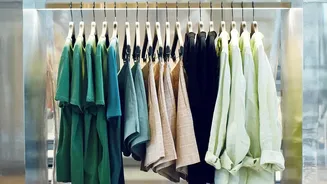
The debate around value in smaller cities often mistakenly equates it with just being cheap. Today's consumer is more discerning. Value is no longer about the lowest price but about finding the right balance of trend-relevance, quality, and affordability. This is where a fascinating battle is unfolding. On one hand, budget-friendly fast-fashion giants like Zudio and Trends are booming by offering contemporary designs in an upgraded shopping environment at prices comparable to local markets. On the other hand, the consumer is also increasingly willing to pay for perceived quality and brand authenticity, driving growth in the 'affordable premium' segment. Consumers are seeking intelligent spending options, where the product's design and utility justify its cost, rather than just chasing the cheapest available item.
The Local and Digital Battlefield
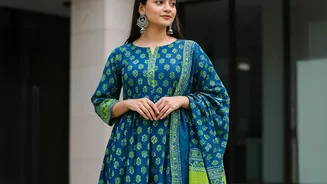
The fashion landscape in smaller cities is a complex mix of local players, national chains, and online giants. While e-commerce has flattened access, it hasn't eliminated local competition. In fact, many consumers still show a strong preference for homegrown brands that offer relatable designs and a better understanding of regional tastes and fits. These local retailers often compete by offering unique designs and customization that mass-market brands cannot. At the same time, the importance of a physical store remains high, with about 30% of shoppers citing the in-store experience as a key factor in their purchase decision. Successful brands are therefore adopting an omnichannel approach, blending a strong digital presence with strategically located physical stores that cater to local preferences.